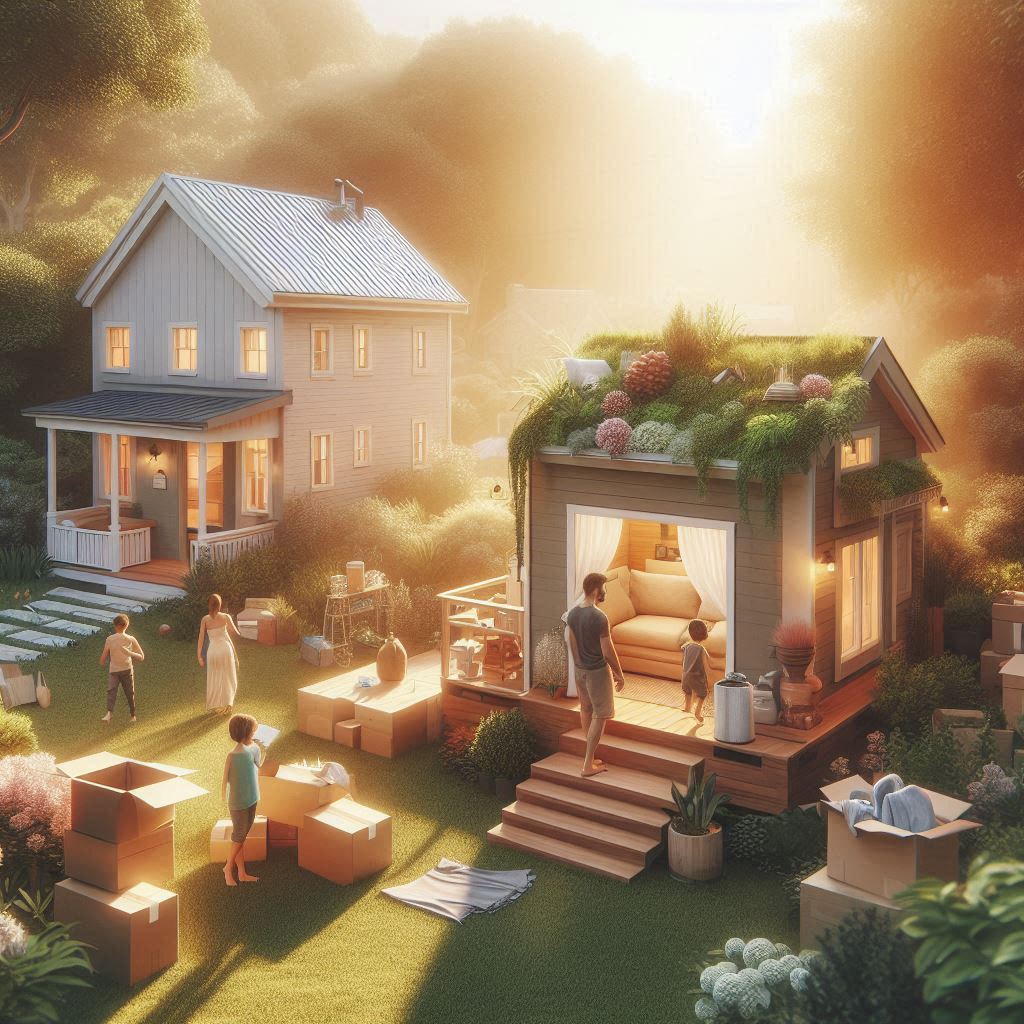

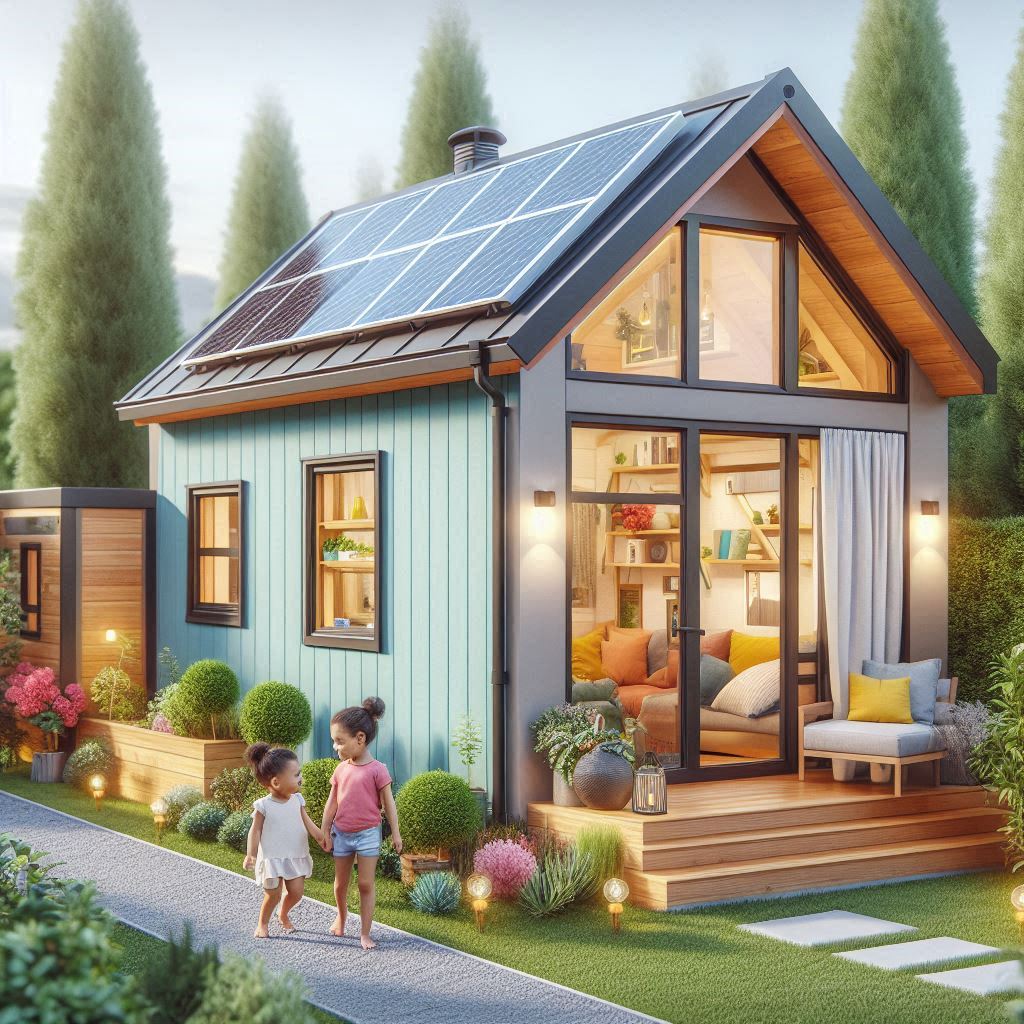
Tiny houses have been creating quite the buzz lately. Forget the conventional mansion or suburban but the cozy, adaptable world of tiny houses. These compact homes pack a punch with their simple yet efficient design, making them appealing to families looking to declutter and live purposefully.
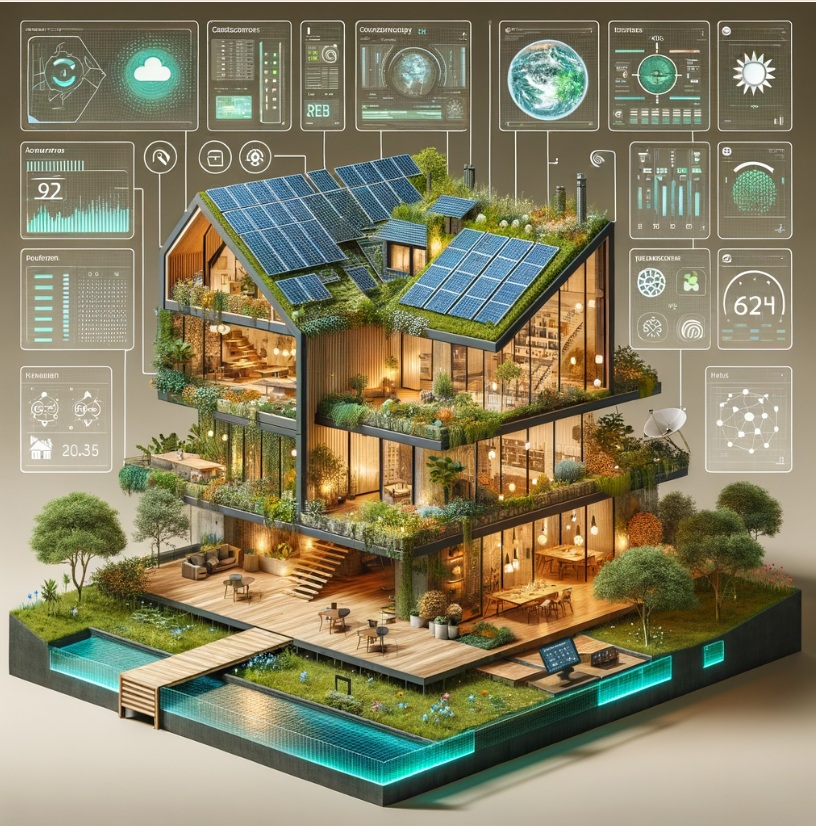
So, what qualifies as a ‘tiny home’? These are structures typically smaller than 400 square feet, focusing on efficient use of space and sustainability. The amenities can vary widely, from basic necessities to fully decked-out smart home features, suitable for a range of family needs.
But why are families diving into tiny house living? There’s a lot on the plus side – reduced living costs, less clutter, and more quality time. Imagine cutting your utility bills drastically while spending more evenings playing board games instead of cleaning.
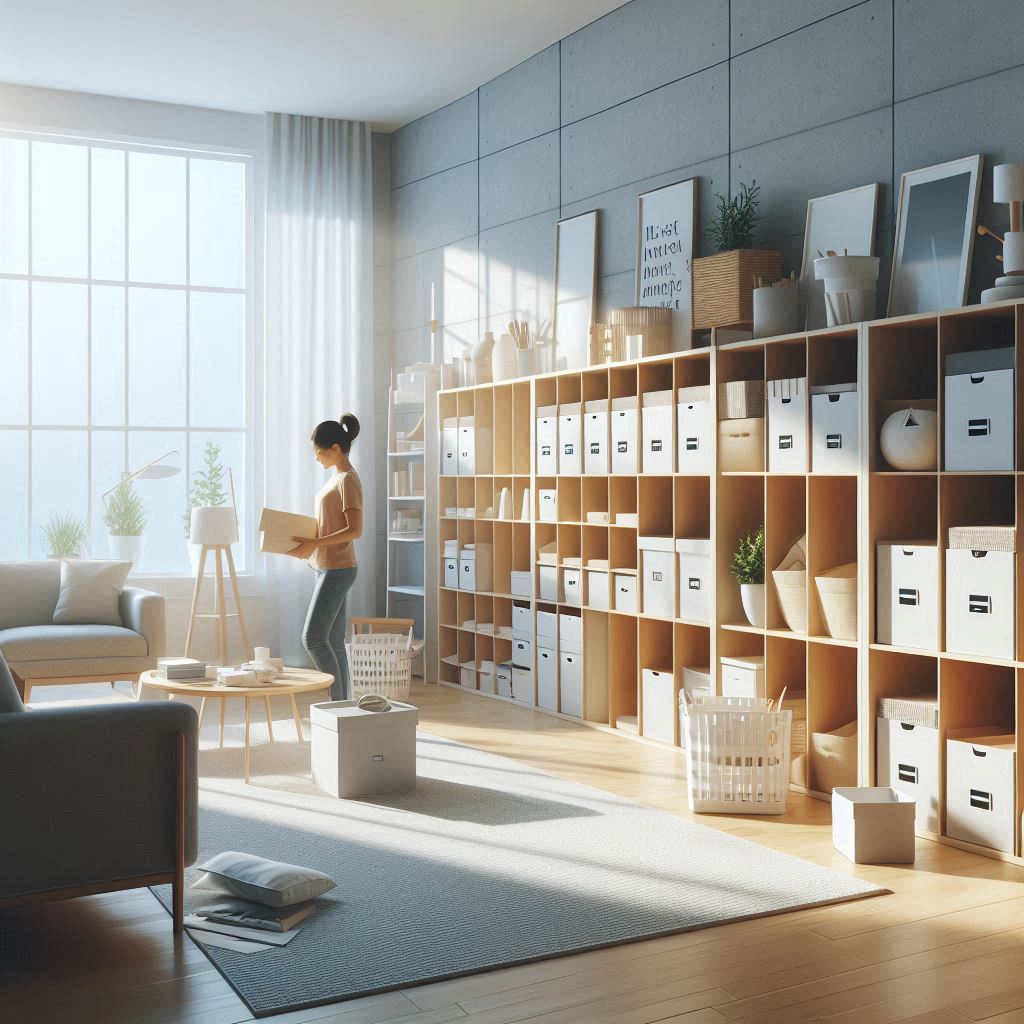
Of course, it’s not just a walk in the park. Families in tiny homes face unique challenges. Ensuring everyone gets enough personal space and dealing with the lack of traditional storage can be tough nuts to crack. But with smart planning and creativity, these challenges can often become opportunities for bonding and innovation.
Is Tiny House Living Realistic for Families with Kids?
Living with kids in a tiny house might seem like trying to fit a jigsaw piece where it doesn’t belong, but it’s all about creativity and smart planning. Making the most of limited space requires some ingenuity. Think in terms of multifunctional furniture — beds that fold into walls or storage that doubles as seating. It’s amazing how little changes can make a huge difference!
Privacy is often a big question. Anyone with kids knows how precious those few moments of peace can be. The trick lies in creating little personal havens, even in a small space. Curtains, bunk beds, or clever room dividers can carve out personal zones for everyone to retreat to.
Daily life in a tiny house involves some unique dynamics. Preparing meals might turn into a family event, or breakfast could become breakfast on the go. With smaller spaces, housework gets simplified, giving the family more time to spend together on what truly matters, like playing catch outside or reading bedtime stories.
Meeting new friends or engaging in community kids’ activities often extends beyond the walls of the house. Kids adapt surprisingly well, especially when their world inside the tiny home is just a part of a bigger world outside filled with nature walks or visits to the park. After all, home is not just four walls, but a launchpad to explore!
Financial and Legal Considerations for Families
When it comes to financing a tiny house, families have a couple of options up their sleeve. Traditional mortgages aren’t always on the table due to the unconventional nature of tiny houses, but personal loans, RV loans, or tiny home-specific loans can step in to save the day. Keeping an eye on interest rates and loan terms is key to making a smart financial decision.
Whether to own or rent is another big decision for families considering tiny homes. Ownership offers stability and control, but renting can provide flexibility, especially if families are still testing the waters of this lifestyle. Renting can also be a good choice in areas where tiny houses face legal restrictions.
Speaking of legal stuff, the rules about tiny houses can vary dramatically from state to state. It’s crucial to dig deep into zoning laws and building codes in your desired area. Some places are tiny home-friendly, while others require a bit of navigating through red tape. Always make sure that your home is compliant to avoid future legal hiccups.
Understanding these legal and financial aspects helps families make informed decisions on whether tiny living can fit their lifestyle. Every family’s situation is unique, and considering both the benefits and restrictions is a surefire way to steer your new lifestyle in the right direction.
Adapting and Thriving: Sustainability for Families in Tiny Houses
Kids have a knack for adapting to new environments, and tiny living is no exception. While a smaller space might initially seem daunting, children often find it exciting, enjoying the cozy nooks and unique setups. For little ones, a tiny house can feel like the ultimate fort, packed with adventure at every corner.
As families grow, the question of sustainability pops up. Can such a compact space accommodate a growing family? The answer lies in flexibility. Many tiny house designs offer modular solutions, allowing families to expand with innovative additions or reconfigure spaces as needs change. The key is in designing a home that can evolve alongside the family.
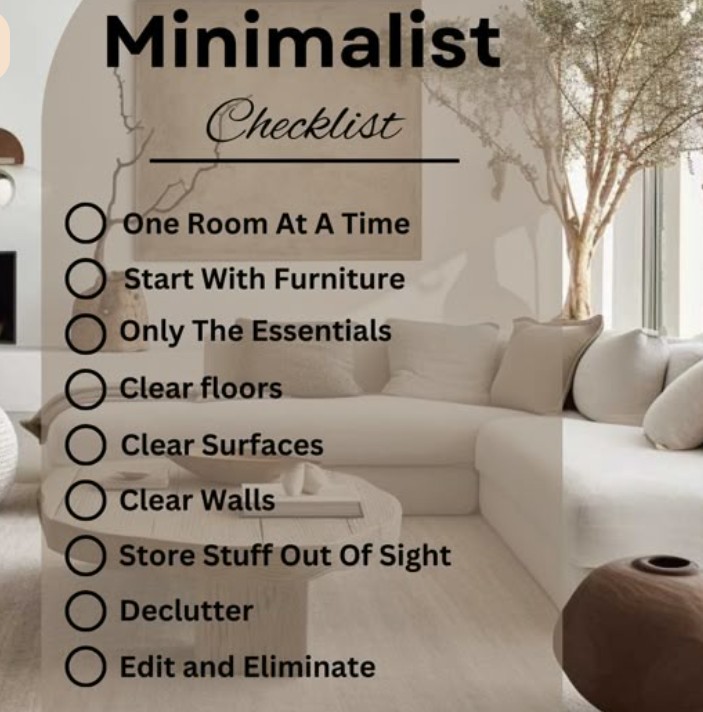
Living tiny often encourages a minimalist lifestyle naturally. With limited space, families tend to focus more on experiences rather than accumulating stuff. It’s a shift that not only eases the clutter but also fosters a more meaningful way of living, prioritizing human connections over material possessions.
Additionally, embracing a tiny house lifestyle can be a greener choice. With reduced energy consumption and a smaller footprint, tiny homes tend to have less environmental impact. It’s an opportunity to teach kids about sustainability and the importance of being mindful of our resources.
Tiny living also opens doors to a blend of indoor creativity and outdoor exploration, encouraging families to partake in activities that extend beyond their four walls. Whether it’s growing a small garden or venturing into local parks for weekend hikes, the limitations of a tiny house often propel families to dive deeper into communal and nature-oriented experiences.