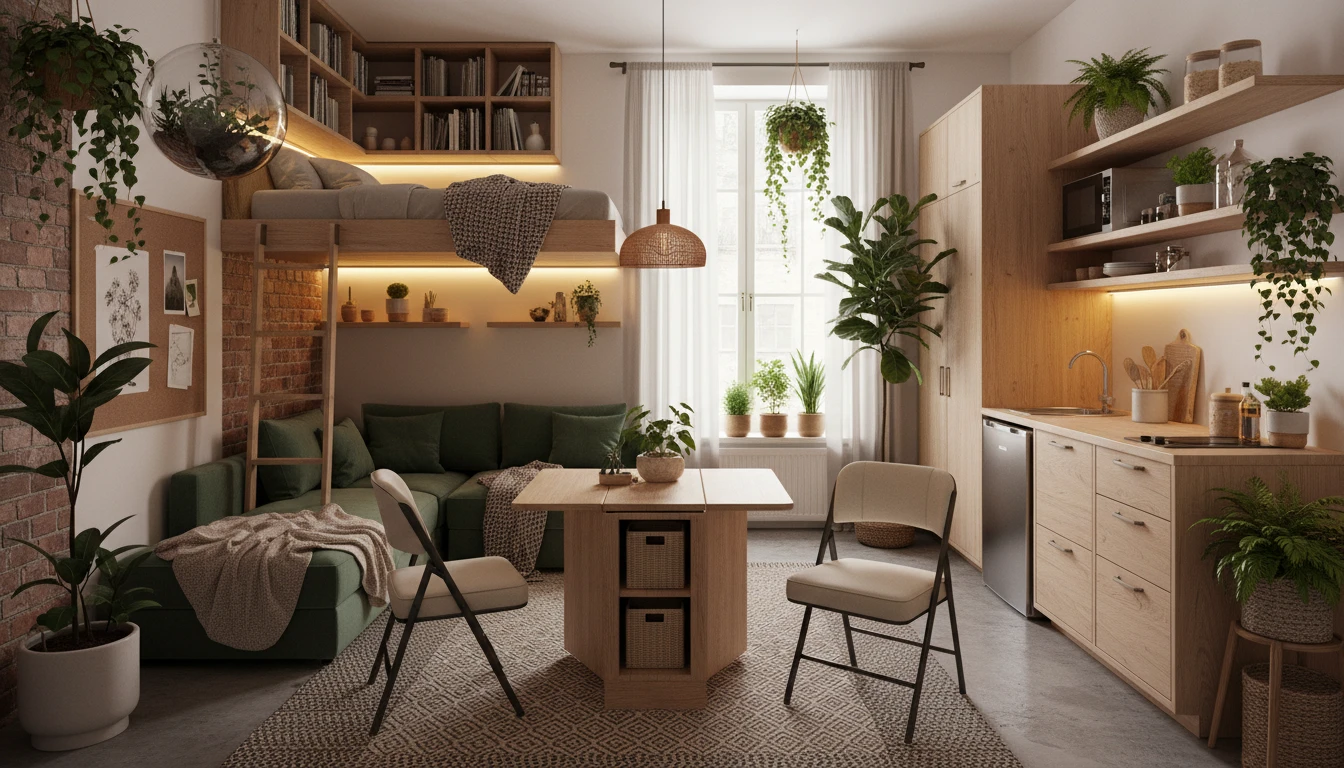
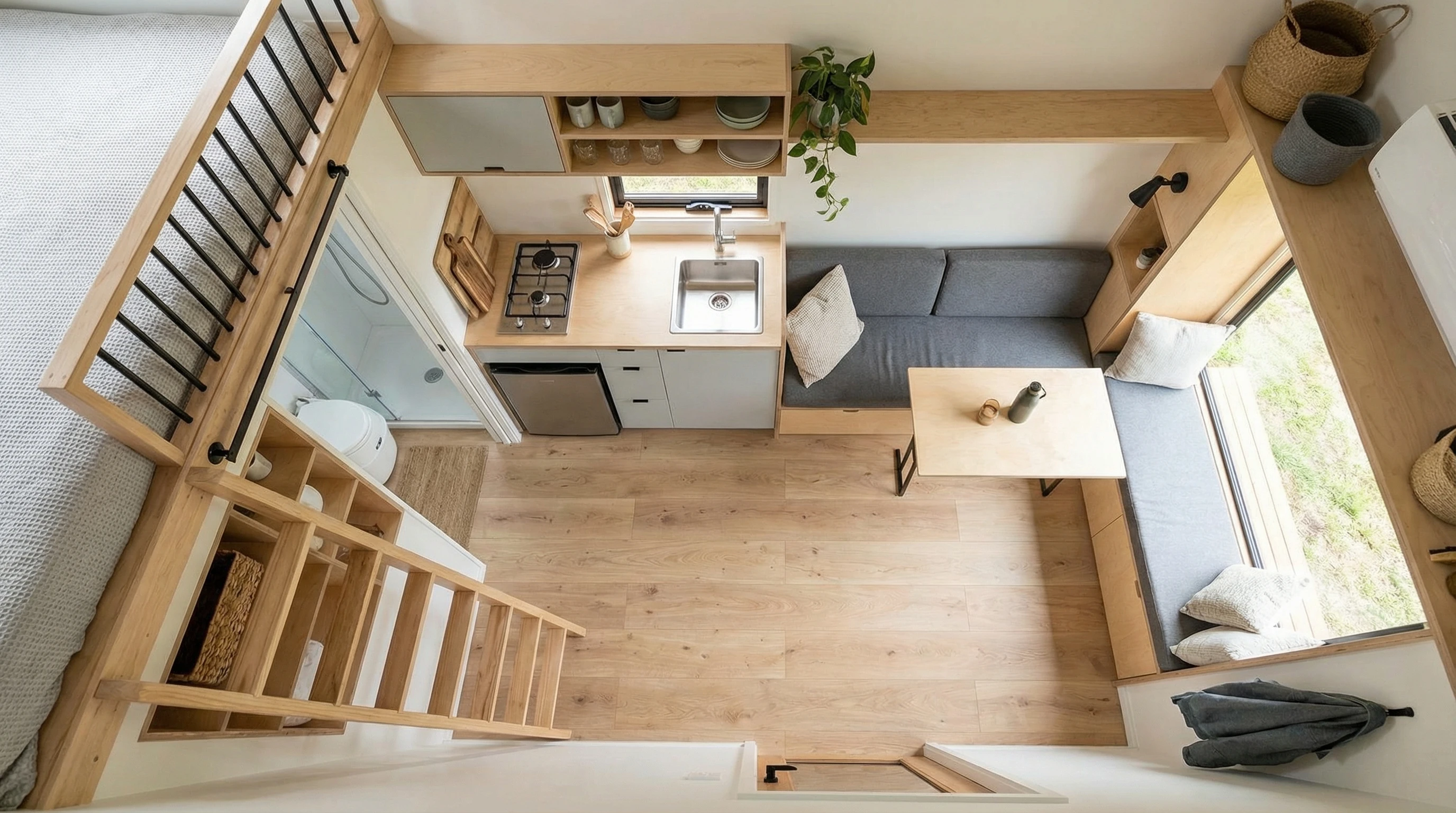
Thinking about downsizing or just fascinated by smart living solutions? Tiny homes keep getting better, especially with creative floor plans that use every inch. I’ve rounded up 10 eye-catching tiny home floor plans that squeeze serious function and comfort out of small spaces. These ideas are a fun way to get inspired for your dream tiny home build or remodel. Let’s jump right in and check out how clever design can make a tiny home truly shine!
Before choosing a specific floor plan, it helps to understand the layout principles behind it. This guide to tiny home layout ideas explains how different layouts balance storage, openness, and everyday functionality.
How Smart Design Maximizes Tiny Home Space
The right layout totally changes the feel and usability of a tiny home. A clever floor plan helps avoid clutter and makes sure you aren’t always bumping elbows with your stuff. Here’s what goes into making these homes practical and inviting:
- Multiuse Areas: Think living rooms that turn into bedrooms, or dining tables that fold away when you don’t need them.
- Vertical Storage: Builders use shelves, overhead cabinets, and understair storage to keep things organized without taking up valuable floor space.
- Sliding Doors: These take up less space than regular doors and help rooms feel more open and airy.
Smart details like these really give the layout a fresh and flexible vibe, no matter the size of your home. And if you’re planning a new tiny retreat, think about how each space can serve double duty—this is where smart storage and creative furniture really step up the comfort!
Even the most efficient floor plan still depends on smart storage and furniture placement. These tiny home space optimization tips can help you get more function out of every square foot.
10 Tiny Home Floor Plan Ideas Worth Checking Out
- Lofted Sleeping Spaces
A raised bed frees up main floor real estate, which is super handy for adding a sofa, bookshelf, or even a cozy office nook underneath. Stairs or ladders lead up, and most lofts include storage cubbies built right in so you don’t waste any room. - Pull-Out and Foldaway Beds
Some homes use Murphy beds or builtin daybeds, letting you switch between living and sleeping space with a quick pull. It’s hasslefree and means you can have a bigger living room by day. - Galley Kitchens with Folding Sections
Narrow kitchens line one or both sides, often with countertops or tables that fold up as needed. This setup lets two people work together but keeps things open when the extras are closed up. Plus, it’s easy to stay organized. - Convertible Workspaces
If you work from home, this layout is amazing. Desks slide out or drop down, so your office can disappear when friends come to visit. Some floor plans even have sneaky pop-up monitor storage or hidden cabinets for extra tech. - Split Floor Living (Upstairs/Downstairs)
This design separates sleeping space above from cooking and living space below, making sure each area feels private. Skylights and big windows brighten everything up, so the home always feels inviting and open. - Bathroom Tucked Under the Loft
Bathrooms fit snugly underneath stairs or lofts, with pocket doors and compact fixtures that save space. Tucking the bathroom away here keeps things convenient without sacrificing privacy or comfort. - Wallmounted Storage and Appliances
Compact fridges, ovens, and fold-down shelves get mounted on the wall, freeing up floor space for easier movement. This way, everything has a spot and the home never feels cluttered. - Outdoor-Connected Living
Some homes use double doors or decks as an extension of the living area. Cook, eat, or relax outside, then just shut the doors when you’re done. Connecting inside and out makes the whole place feel bigger. - Dedicated Pet Nooks
Have pets? Look for a plan with built-in sleeping nooks for animals, or a clever spot for a litter box. It’s a great way to include your furry friends in the design and keep the home tidy. - Flexible Walls and Room Dividers
Sliding walls or curtains let you separate the main room, change up your spaces, or open it all up when you want a bigger feel. Study quietly in one area, sleep in another, and adjust it all as your needs change.
Choosing a Tiny Home Floor Plan That Fits Your Needs
Pick a floor plan that matches how you actually live. If you love cooking, go for a bigger kitchen setup. Reading fan? Make a committed spot for a comfy reading nook. Don’t underestimate storage—especially for hobbies, sports gear, or working from home. Sketch out the space, use online design tools, or even build a quick cardboard model to picture how it all flows and spot any awkward areas before the hammers come out.
The best tiny home isn’t just about having a stylish place; it’s about living well with less, making things functional, and tailoring every corner to fit your lifestyle.
Next Steps: Bringing Your Tiny Home to Life
Once you find a floor plan that makes sense for your style and routines, chat with a builder who has experience with small houses. A pro can help you tweak the plan for your site, your climate, and your budget. Look for super detailed layouts and online 3D tours to really get a feel for the finished space. Planning ahead and asking lots of questions goes a long way when you’re swapping big living for small.
Share Your Tiny Home Ideas
I’m always excited to hear about unique floor plan hacks or design ideas that worked for you in a tiny home. Please share your designs and questions below—your tips help everyone get the most out of small living!