
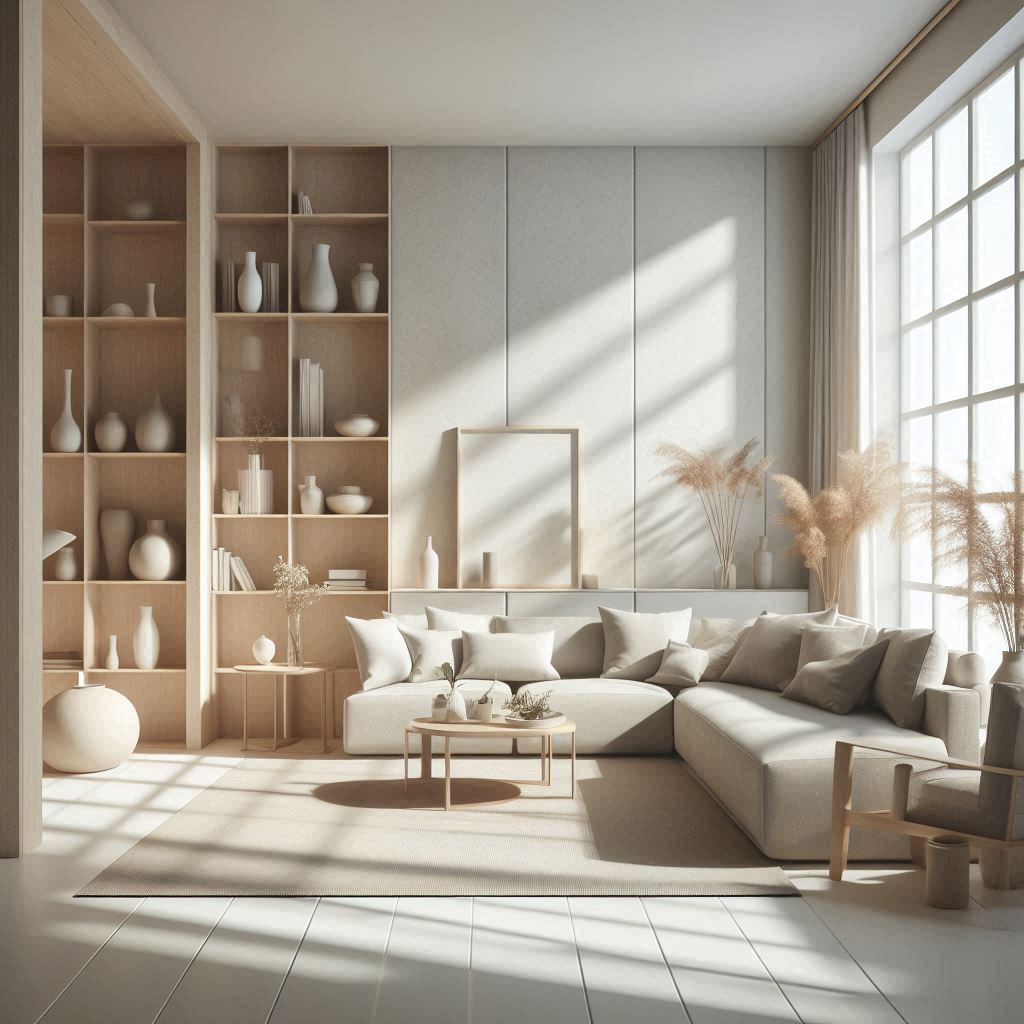
Minimalist living isn’t about empty rooms or owning as little as possible — it’s about intentionally designing a life with less distraction and more clarity. In 2026, as housing costs rise and digital overload increases, more people are turning to minimalism not just as a trend, but as a practical lifestyle strategy.
From reduced stress and improved financial control to increased focus and stronger relationships, the benefits of minimalist living extend far beyond decluttering a closet. Whether you’re transitioning into a tiny home or simply craving a calmer life, understanding the real advantages of minimalism can help you decide if this lifestyle shift is right for you
What Minimalism Is — and What It Isn’t
Minimalism is often misunderstood. It doesn’t require living in an empty home or eliminating every personal possession. Instead, it focuses on intentional ownership — keeping what adds value and removing what doesn’t.
The goal isn’t deprivation. It’s alignment. Minimalism asks a simple question: does this item, commitment, or habit support the life you want to live?
By shifting the focus from accumulation to intention, minimalism becomes less about restriction and more about freedom.
The Core Benefits of Minimalist Living
Minimalism isn’t just about owning fewer things — it creates measurable changes in how you think, spend, work, and live. Here are the most impactful benefits people experience when they adopt a minimalist lifestyle.
1. Mental Clarity and Reduced Stress
Clutter competes for attention. Excess visual stimuli can increase stress levels and reduce focus. By simplifying your surroundings, you reduce mental noise and create a calmer environment.
Many people who adopt minimalism report improved sleep, lower anxiety, and a greater sense of control over their daily routines.
2. Financial Freedom and Smarter Spending
Minimalism naturally reduces impulse purchases. When spending becomes intentional rather than reactive, financial habits shift.
Over time, this often leads to increased savings, less consumer debt, and more flexibility to invest in experiences or long-term goals — including transitioning into tiny home living.
3. Increased Productivity and Focus
A streamlined environment makes concentration easier. With fewer distractions, your workspace becomes a tool rather than a source of overwhelm.
Minimalism also reduces decision fatigue — fewer clothing choices, fewer possessions to manage, and fewer commitments competing for attention.
4. Stronger Relationships and Meaningful Experiences
When possessions take up less mental and physical space, relationships often move to the forefront. Many minimalists report spending more time nurturing friendships, hobbies, and personal growth.
The shift from “owning more” to “experiencing more” can significantly increase long-term life satisfaction.
5. Environmental and Sustainability Benefits
Owning less typically means consuming less. Reduced purchasing and more intentional buying habits contribute to a smaller environmental footprint.
Minimalism often aligns naturally with sustainable housing movements such as tiny home living.
Why Minimalism Naturally Supports Tiny Home Living
Minimalism and tiny home living often go hand in hand. When square footage is limited, intentional ownership becomes essential. Every item must serve a purpose, and every space must be thoughtfully designed.
Tiny homes naturally encourage minimalist habits — fewer storage areas mean fewer impulse purchases. Multi-functional furniture reinforces the idea of quality over quantity. Even daily routines become more streamlined when excess is removed.
For many people, embracing minimalism first makes transitioning to a tiny home significantly easier. Instead of feeling like downsizing, it feels like aligning your environment with your values.
Whether you’re planning a tiny home build or simply exploring the lifestyle, minimalism acts as the foundation that makes small-space living sustainable long-term.
Why Minimalism Is Gaining Momentum in 2026
In 2026, minimalist living is gaining renewed attention for practical reasons. Rising housing costs, digital overwhelm, and economic uncertainty are prompting many people to reassess what truly adds value to their lives.
Remote work has blurred the line between home and office, making clutter more disruptive than ever. At the same time, higher consumer costs are encouraging smarter spending habits. Minimalism offers a structured response to both challenges — creating calm environments and intentional financial decisions.
As tiny homes, small-space living, and sustainable design grow in popularity, minimalism becomes less of a trend and more of a practical framework for modern living.
Ready to Start Minimalism?
If you’re ready to turn the benefits of minimalism into real-life changes, here are a few helpful next steps:
-
Start with the basics: How to Start Minimalism
-
Clear the clutter first: How to Declutter Your Space
-
Build a calm home environment: How to Create a Minimalist Space
-
Stay motivated long-term: How to Embrace Minimalism
Minimalist Techniques: The 30/30 Rule and the 5-7 Rule
Here’s the lowdown on the 30/30 rule that minimalists swear by. It’s pretty straightforward: if you haven’t used an item in 30 days, and you don’t plan on using it in the next 30 days, it’s time to let it go. This technique is a great way to clear out things that aren’t serving a purpose in your life, keeping only what’s genuinely useful or brings joy.
The 5-7 rule is another handy tool to keep your wardrobe under control. The idea is to have only 5 to 7 pieces of clothing in each category (like tops, bottoms, etc.). It’s about embracing versatility and finding joy in a simpler wardrobe. This rule helps prevent decision fatigue because fewer choices mean less stress.
These rules aren’t hard and fast but act as guiding principles to kickstart your minimalist journey. Adhering to them can make the process less overwhelming and more structured, especially when you’re starting out. It’s about finding what works best for you and making sure your environment supports your life, not the other way around.
Now, when it comes to practicality, both rules serve as useful frameworks for people who feel knee-deep in clutter. They’re adaptable to various lifestyles and needs, so feel free to tweak them as you go. The main goal is to be conscious of what you own and make room for what’s truly important.
Embracing these minimalist techniques can act as an eye-opener for just how much stuff we hold onto unnecessarily. They help shine a light on personal habits and can bring about lasting changes in how we view and interact with our belongings.
Happiness in Minimalism: Myth or Reality?
Are minimalists actually happier? This question often pops up when discussing the benefits of a pared-down lifestyle. Happiness, of course, is subjective, but study after study suggests that minimalists often report higher levels of satisfaction and contentment. With fewer distractions, there’s more opportunity to focus on relationships and experiences that tilt the happiness scale in the right direction.
Anecdotes from minimalists paint a picture of increased joy, noting how less clutter leads to a more peaceful life. When you’re not bogged down by stuff, you tend to have more time and energy to nurture meaningful relationships. Many say this has a direct positive impact on their happiness levels.
Now, it’s not all sunshine and roses—minimalism does come with challenges. It can sometimes feel like a balancing act, especially initially when letting go of items with emotional attachments. And, let’s be real, the social pressure to own things can be a bit of a hurdle too.
Exploring the psychological side of minimalism uncovers even more about its relation to happiness. Minimalism promotes mindfulness, where each item is a choice and not just a default. This awareness can lead to a more intentional lifestyle, reducing stress and boosting overall well-being.
Ultimately, whether minimalists are happier depends on individual values and priorities. For some, it’s transformative; for others, it might be more about moderation than strict minimalism. It’s about finding a personal balance where less feels like more.
Frequently Asked Questions About Minimalist Living
Is minimalism only about owning fewer things?
No. While reducing possessions is part of minimalism, the core principle is intentional living. It focuses on aligning your environment, spending habits, and commitments with your values.
Do you have to get rid of everything to be a minimalist?
Not at all. Minimalism looks different for everyone. The goal isn’t deprivation — it’s removing what doesn’t serve you so you can focus on what does.
Can minimalism save you money?
Yes. Many people experience reduced impulse spending, lower monthly expenses, and increased savings once they adopt more intentional purchasing habits.
Is minimalism necessary for tiny home living?
While not mandatory, minimalist habits make tiny home living significantly easier. With limited space, intentional ownership becomes essential for comfort and functionality.
Does minimalism make people happier?
Happiness is subjective, but many minimalists report reduced stress, greater focus, and stronger relationships — all factors associated with higher life satisfaction.