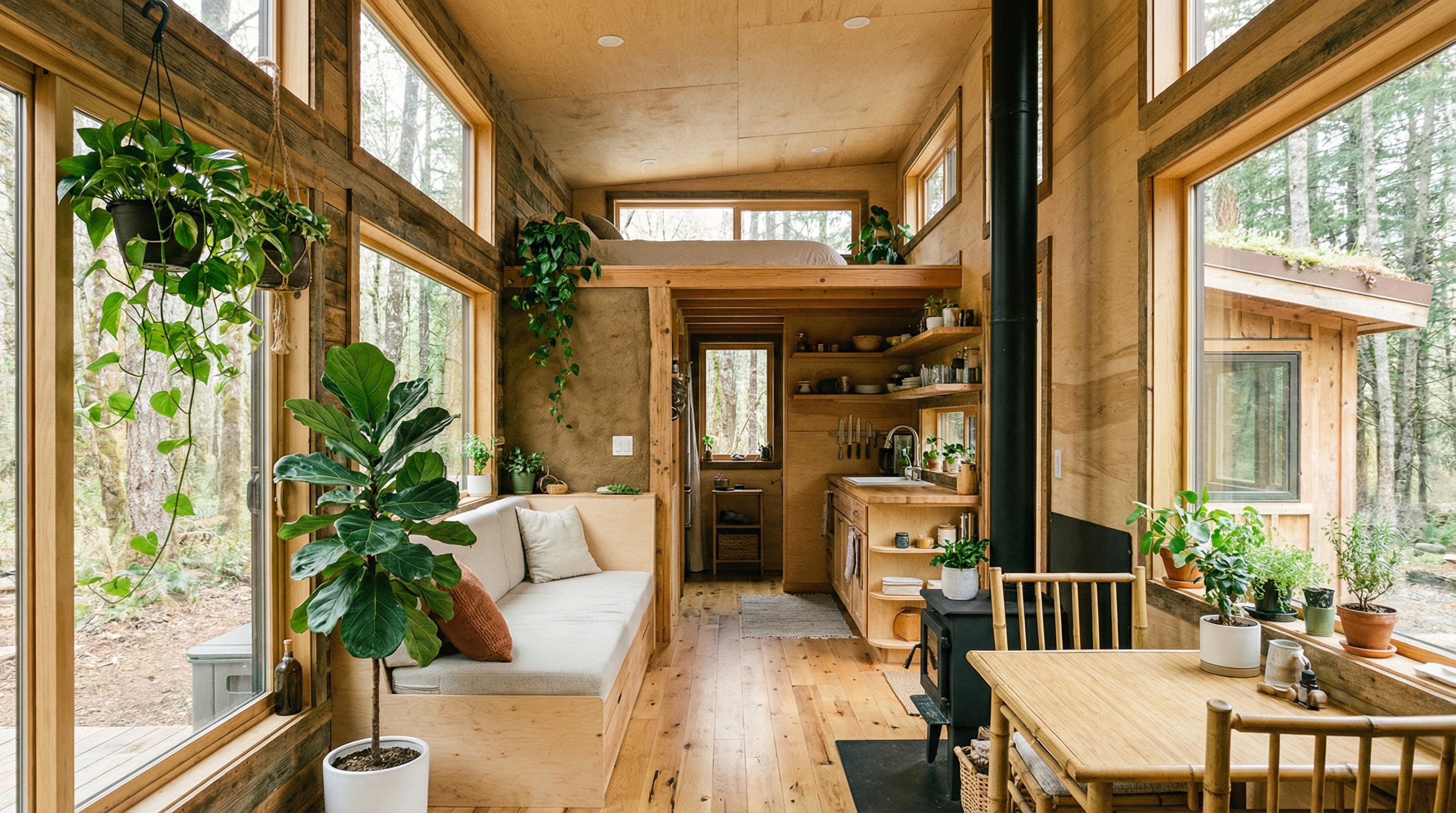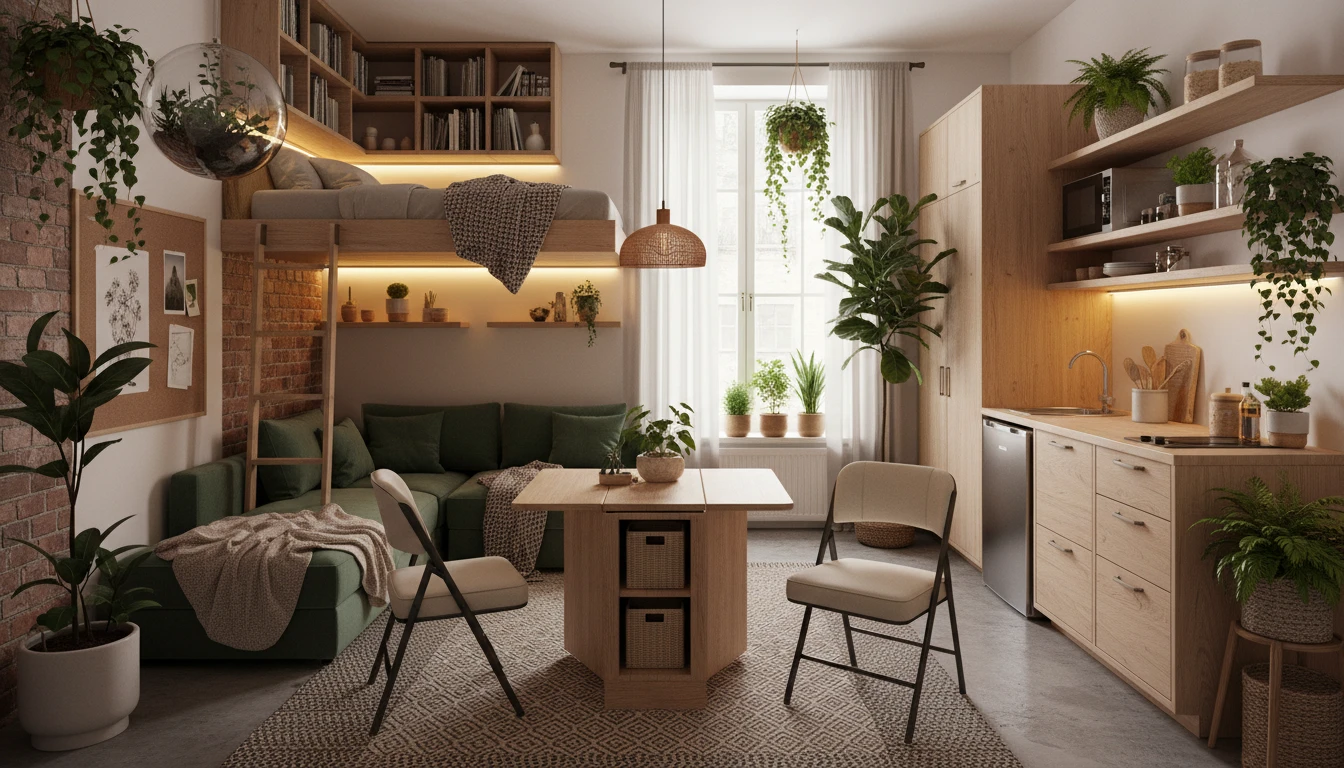
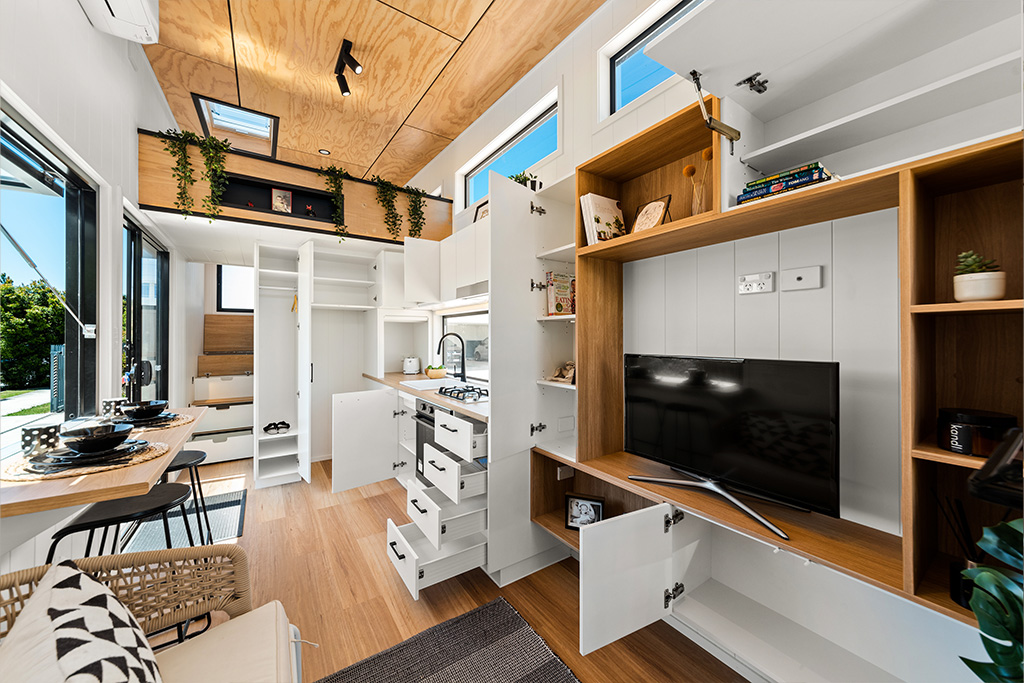
Best Space-Saving Storage Solutions for Tiny Homes

Living in a tiny home means every inch of space matters. The right storage solutions can help keep your home organized, functional, and comfortable without making it feel cramped. From hidden compartments and built-in seating to vertical shelving and multi-purpose furniture, smart storage can make a small space work much harder. In this guide, we’ll look at some of the best space-saving storage solutions for tiny homes and how to use them effectively.

What to Look for in Tiny Home Storage
When choosing storage for a tiny home, focus on solutions that save floor space, serve more than one purpose, and keep everyday essentials easy to reach. The best storage options help reduce clutter without making your home feel crowded or closed in. Features like hidden compartments, vertical organization, and furniture with built-in storage can make a big difference in how functional your tiny home feels.

1. Under-Stair Storage

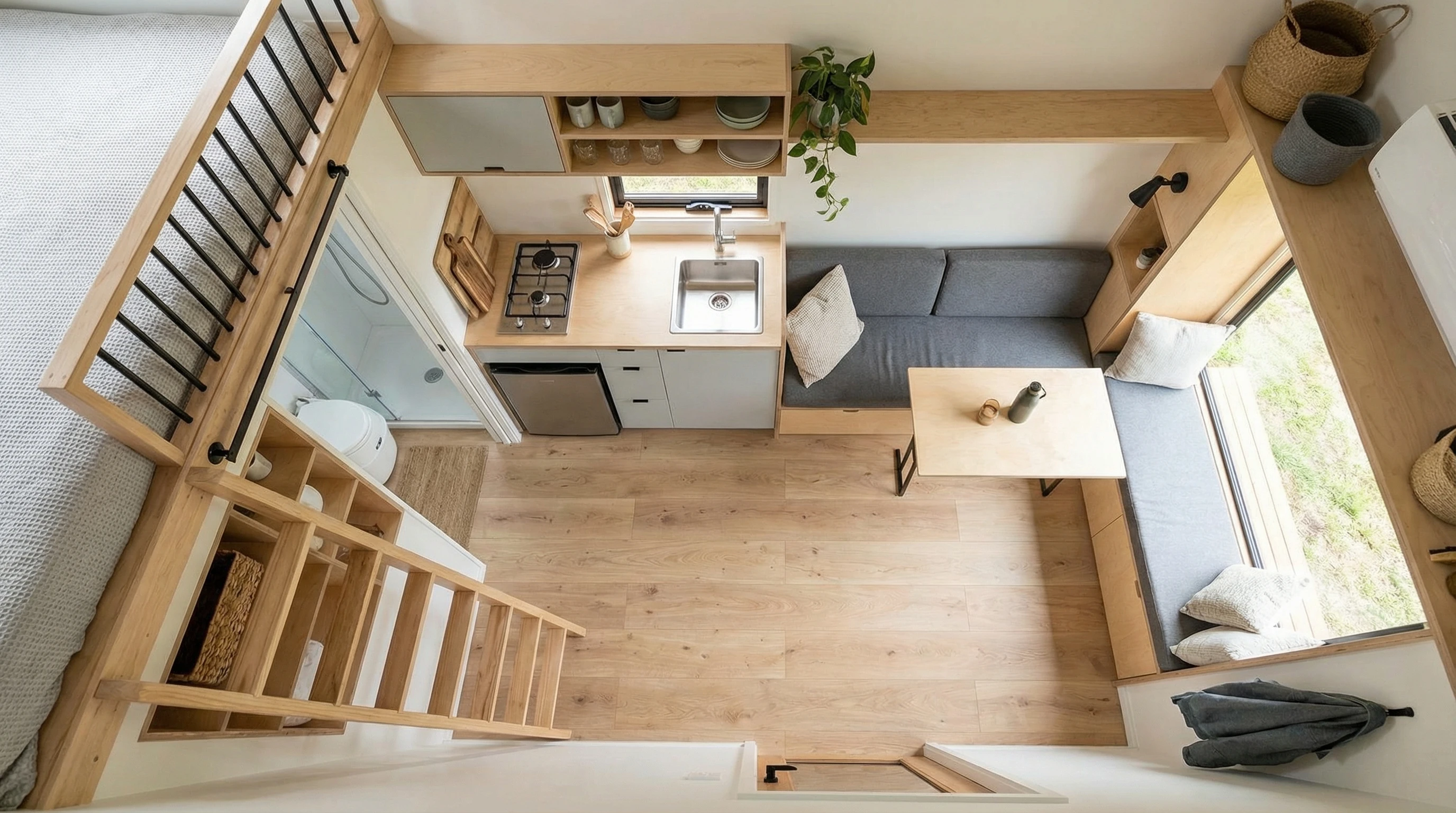
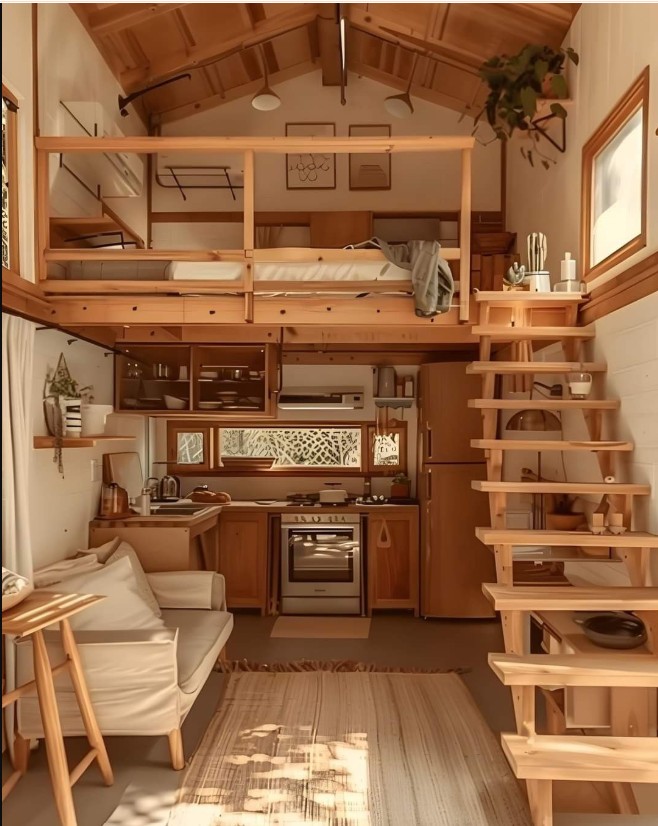
If your tiny home includes stairs, the space underneath them can become one of the most useful storage areas in the house. Built-in drawers, cabinets, or open shelving can turn that unused space into practical storage for shoes, books, tools, pantry items, or seasonal décor. This area works especially well for shoes, pantry overflow, cleaning supplies, or pet items that would otherwise take up valuable cabinet space. This type of storage helps keep everyday items tucked away without taking up additional floor space. Customizing this area to match your needs can make your tiny home feel much more organized.

2. Built-In Bench Storage

Built-in benches are one of the best ways to combine seating and storage in a tiny home. A bench in the dining nook, entryway, or living area can provide hidden storage for blankets, games, shoes, or extra household items. This type of storage helps reduce clutter while keeping essentials close at hand. It also adds function to furniture you already need, which is one of the smartest ways to save space in a small home.

3. Multi-Functional Furniture

In a tiny home, furniture needs to work harder. Pieces that serve more than one purpose can make a huge difference in how usable your space feels. Storage ottomans, lift-top coffee tables, beds with drawers, and sofas with hidden compartments all help maximize function without adding bulk. Fold-down desks and Murphy beds are also excellent options for creating flexible rooms that can serve different purposes throughout the day.

4. Vertical Wall Storage

When floor space is limited, walls become valuable storage space. Floating shelves, tall bookcases, pegboards, and wall-mounted organizers can hold everything from kitchen supplies to office materials and decorative items. Vertical storage helps keep everyday items accessible while freeing up counters and floors. It also draws the eye upward, which can make a tiny home feel taller and more open.

5. Overhead Storage

The space above doors, windows, and cabinets is often overlooked in tiny homes. Small shelves or overhead cabinets can be used to store less frequently used items such as extra linens, keepsakes, or seasonal decorations. In kitchens, overhead hanging racks can hold pots, pans, or utensils. The key is to keep overhead storage neat and intentional so it adds function without making the space feel crowded.

6. Hidden Storage Compartments

Hidden storage is one of the most effective ways to maintain a clean and uncluttered look in a tiny home. Storage compartments built into floors, beds, stairs, or seating can hold items without adding visible mess. Hidden storage is especially helpful for storing things you do not use every day but still want to keep nearby. When thoughtfully designed, these hidden areas can dramatically improve storage without changing the look of the room.

7. Kitchen Storage Solutions

Kitchens can become cluttered quickly in a tiny home, so smart organization is essential. Pull-out pantry shelves, magnetic knife strips, hanging utensil racks, and stackable containers can all help make the most of limited cabinet and counter space. Tiered organizers inside cabinets also make it easier to see and reach what you need. Vertical dividers for baking sheets and cutting boards are another simple way to keep cabinets from becoming overcrowded.  A well-organized kitchen not only saves space but also makes cooking and cleanup much easier.

8. Bathroom Wall and Cabinet Storage

Bathrooms may be small, but they still need to hold a surprising number of essentials. Wall-mounted shelves, medicine cabinets, narrow storage towers, and over-the-toilet shelving can create extra room without crowding the floor. Floating vanities with built-in storage are another great option for tiny homes. Even simple additions like adhesive wall hooks or slim rolling carts can make a tiny bathroom feel more organized. Keeping toiletries, towels, and cleaning supplies organized can make a tiny bathroom feel much more functional and less cramped.

9. Fold-Down and Collapsible Storage Features

Fold-down and collapsible features are perfect for tiny homes because they can disappear when not in use. Wall-mounted drop-leaf tables, folding desks, collapsible drying racks, and stackable bins all give you flexibility without taking up permanent space. These solutions are especially useful in rooms that need to serve more than one purpose, such as a kitchen that doubles as a workspace or a living area that also functions as a guest space.

10. Storage Containers and Organizers

Storage containers may seem simple, but the right ones can make a major difference in a tiny home. Clear bins, stackable baskets, drawer dividers, vacuum-seal bags, and under-bed containers help keep items organized and easy to find. The best containers are durable, easy to access, and sized to fit the space you actually have. Choosing matching or coordinated organizers can also help your home look tidier and more intentional.

Conclusion

The best space-saving storage solutions for tiny homes are the ones that make everyday life easier while keeping clutter under control. By using vertical space, hidden compartments, multi-functional furniture, and practical organizers, you can make a small home feel more open, efficient, and comfortable. In a tiny home, smart storage is not just helpful—it is essential for making the most of every square foot. Planning smart storage early can also help you make better design decisions during the building process.
Multi-Functional Tiny Home Layout Ideas

The right layout can make a 200-square-foot tiny home feel surprisingly spacious — or painfully cramped. In 2026, smart tiny home layouts are all about flexibility, storage integration, and multi-functional design. When every square foot matters, the way you arrange walls, furniture, and built-ins can completely transform how your home functions day to day.

Tiny homes typically range from 100 to 400 square feet, and within that compact footprint, thoughtful planning becomes essential. A well-designed layout can create defined living zones, maximize natural light, and make even the smallest space feel intentional instead of restrictive.

Whether you’re building from scratch or refining an existing design, understanding how to structure your floor plan is the key to comfortable tiny living. From open-concept designs to loft-based sleeping areas and family-friendly configurations, the best layouts balance efficiency with personality.

Most Popular Tiny Home Layout Types in 2026

Tiny home layouts aren’t one-size-fits-all. The best design depends on how you live, how many people share the space, and whether your priority is openness, privacy, or maximum storage. Here are the most common and effective layout styles in 2026:

Open-Concept Layouts

Open-concept layouts remove interior walls between the kitchen, living area, and dining space. This approach allows natural light to travel freely and makes the space feel larger than it actually is. In homes under 300 square feet, eliminating visual barriers can dramatically improve flow and comfort.

Open layouts work especially well for individuals or couples who don’t need separate private rooms.  If you’re deciding between fully open spaces and defined living zones, this guide comparing open-concept vs compartmentalized tiny home layouts breaks down the advantages of each approach. However, storage must be carefully integrated through built-ins and vertical shelving to avoid clutter.

Compartmentalized Layouts

Compartmentalized layouts use partial walls, sliding doors, or pocket doors to create defined zones. This style provides more privacy and can help reduce noise transfer between spaces.

Families and remote workers often prefer this setup because it allows separation between sleeping, cooking, and working areas. While it may make the space feel slightly smaller, smart window placement and light finishes can prevent it from feeling cramped.

Loft-Based Layouts

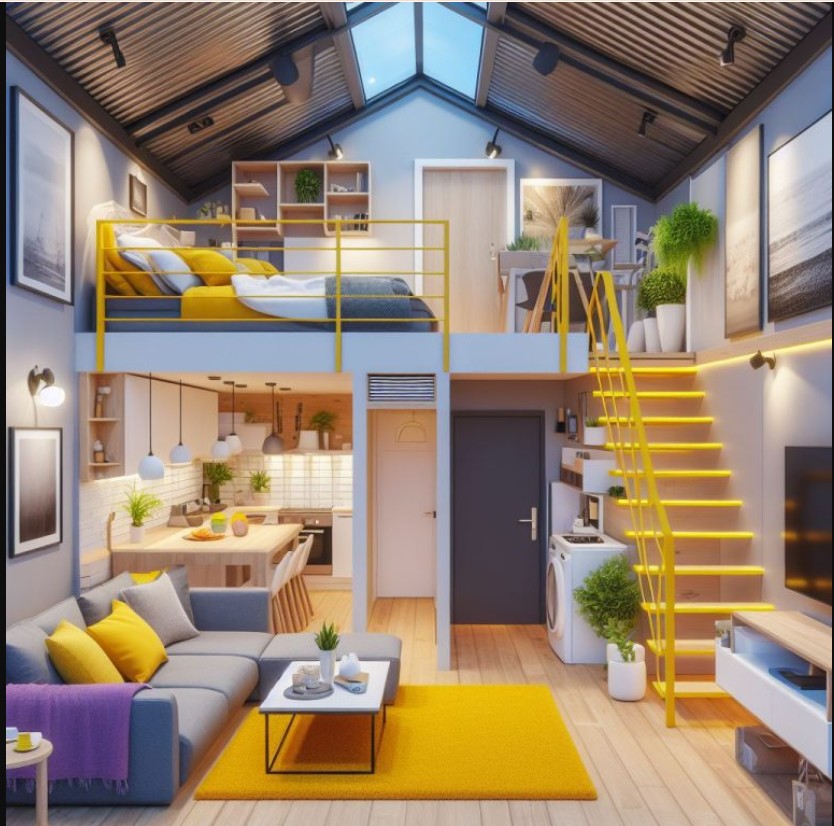
Loft sleeping areas are one of the most common tiny home solutions. Elevating the bed frees up valuable main-floor space for living or storage.

Lofts work best for people comfortable with ladders or compact staircases. For accessibility or long-term living, careful ceiling height planning is essential to prevent the loft from feeling claustrophobic.

Main-Floor Bedroom Layouts

For those who prefer avoiding ladders, main-floor bedroom layouts eliminate the loft entirely. This design improves accessibility and works well for aging homeowners or families with children.

The trade-off is reduced living space, so storage and multifunction furniture become even more important.

Family-Friendly Layouts

Tiny homes designed for families often incorporate bunk beds, partitioned sleeping areas, and creative storage under stairs or seating. Layouts may include sliding panels to create temporary privacy.

In 2026, more families are choosing hybrid layouts that combine open communal areas with small enclosed sleeping zones.

Tiny Home Layout Ideas by Square Footage

Not all tiny homes are built the same size. The layout approach that works for 150 square feet may not make sense for 350 square feet. Here’s how layout strategies shift based on square footage:

100–200 Square Feet

At this size, simplicity is everything. Most layouts rely on loft sleeping areas, compact kitchens with two-burner cooktops, and combined living/dining zones. Built-in storage and wall-mounted solutions are essential to avoid overcrowding.

Open-concept designs typically perform best in this range because dividing walls can make the space feel restrictive.

200–300 Square Feet

This mid-range size allows for more flexibility. You may be able to incorporate a small main-floor bedroom or a larger bathroom. L-shaped kitchens and dedicated seating areas become more realistic.

Many homeowners in this range experiment with hybrid layouts — open communal spaces with partial dividers for sleeping areas.

300–400 Square Feet

At the upper end of tiny living, layouts can begin to resemble small apartments. Separate bedrooms, full kitchens, and even small office nooks become possible.

Storage integration remains important, but the extra square footage provides breathing room for more defined zones.

Designing for Comfort: Multi-functional and Efficient Layouts

Crafting a tiny home that’s cozy and functional is all about making smart choices. The compact nature of these homes requires layouts that do double or even triple duty. Think walls that hold your stuff and dining tables that morph into workspaces—simple transformations that make a place feel much bigger than the tape measure suggests.

Open floor plans play a massive role in this dance of space. They let light bounce around, creating the illusion of a larger area and offering enough wiggle room to breathe—or, at least, stretch. You won’t believe how freeing it feels to have an open layout until you’re actually living in one. Trust me, it’s a game-changer.

But when you’re squeezing life into a few hundred square feet, built-ins can’t be overlooked. Shelves, hidden drawers, nifty nooks—every bit helps to cut down on clutter without sacrificing style. Multi-purpose furniture is also a savior here. Whether it’s a sofa that folds into a bed or a bench with storage underneath, these pieces bring flexibility and functionality into your tiny domain like nothing else can.

Vertical storage solutions are a huge deal, too. Use those walls! Think floor-to-ceiling shelves, hanging racks, or even ladders that lead up to your cozy little loft. It’s all about using every inch wisely and inventively, making sure each corner of your home carries its weight without feeling cramped.

If you’re designing a very small footprint, these ideas on creating a cozy living space in under 300 sq ft can help you make a tiny home feel warm, functional, and comfortable.

From Layout Ideas to Floor Plans

Understanding layout concepts is one thing — seeing them mapped out visually is another. Floor plans translate layout ideas into real-world proportions, showing exactly how kitchens, bathrooms, lofts, and living areas fit together within limited square footage.

When reviewing floor plans, pay attention to:

  • Traffic flow between kitchen and living areas

  • Ceiling height in loft spaces

  • Window placement for natural light

  • Bathroom placement relative to plumbing walls

  • Staircase or ladder positioning

For detailed visual examples and inspiration, explore our collection of innovative tiny home floor plans that demonstrate how these layout ideas come to life.

Key Areas in a Tiny Home: Kitchens, Bathrooms, and Sleeping Quarters

Kitchens in tiny homes require some clever engineering. It’s all about embracing compact appliances and thinking lean with your design. Opt for sliding cabinets, pull-out pantries, and maybe even a folding countertop for that extra prep space. Decluttering is crucial—every item here needs to earn its keep. No room for unused gadgets just hanging around.

The bathroom might be small, but it packs a punch when designed right. Tiny homes often go for space-efficient plumbing solutions like tankless water heaters or composting toilets. You’ll be looking for small yet mighty fixtures that save room without skimping on style. Consider pocket doors—they’re sleek and mercifully save space over swinging ones.

Sleeping areas demand the most creativity. Loft beds are popular, as they free up floor space below for storage or even a little lounge area. If heights aren’t your thing, multi-purpose furniture like a mattress that folds into a couch or a bed with built-in drawers offers other options. Every square foot here is prime real estate, so plan thoughtfully.

Don’t overlook those little nooks that might seem unusable at first glance. Under-stair cabinets, wall niches, or even crawl spaces all hold potential. Getting creative with these can lead to surprising discoveries of extra storage or utility that enhances the livability of your home.

Planning and Visualization: From Idea to Reality

Planning a tiny home layout is like crafting a personalized retreat—where every square inch is planned to fit just right. Before jumping in with both feet, it’s crucial to employ 2D or 3D visualization tools. This step helps nail down what ideas actually work, ensuring your dream space doesn’t hit a snag later on.

Visualizing layouts brings truckloads of benefits. You’ll catch any odd designs or misplaced elements that may not seem like a big deal on paper but could be major head-scratchers in reality. Fixing these before any construction begins saves bucks and headaches. It’s like test-driving a car before you buy.

Really good designs go beyond just fitting furniture. They mold spaces that feel right for the way you live, and they make smart use of your routine. Picture walking through the space—are you bumping your shins, or do you glide with ease? Not only does a well-thought plan save space, but it also brings comfort.

But wait, before you start hammering and sawing away, there’s a practical side to tackle: zoning laws. Check local ordinances and building codes to make sure your tiny dream doesn’t turn into a legal headache. Some places have specific regulations that could influence your design or even its location.

Smart Layout Optimization Tips for Tiny Homes

Even the best layout ideas can fall short without thoughtful optimization. Small adjustments in placement, lighting, and storage can dramatically improve how a tiny home feels day to day.

Prioritize Traffic Flow
Ensure pathways between the kitchen, bathroom, and sleeping areas feel natural. Avoid tight turns or furniture placement that blocks movement. A smooth walking path makes even small homes feel intentional.

Design Around Natural Light
Position windows to brighten communal areas and visually expand the space. Natural light reduces the boxed-in feeling that can occur in compartmentalized layouts.

Integrate Storage Early
Storage should be planned into the layout, not added afterward.  These tiny home space optimization tips show how thoughtful storage planning can dramatically increase usable space without expanding your footprint.Under-stair drawers, recessed shelving, and built-in seating prevent clutter while preserving floor space.

Choose Multi-Functional Furniture
Convertible sofas, folding dining tables, and modular seating allow a single area to serve multiple purposes throughout the day.

Use Vertical Space Strategically
Tall shelving, hanging racks, and loft-access stairs with built-in storage can significantly increase usable space without expanding the footprint.

Making sure all these pieces—design, legalities, lifestyle—fit together perfectly is the heart of successful tiny home living. Planning isn’t just about laying out furniture, it’s about shaping a whole new way of life.

Frequently Asked Questions About Tiny Home Layout Ideas

What is the most efficient tiny home layout?
Open-concept layouts with loft sleeping areas are often the most space-efficient for homes under 300 square feet. However, the best layout depends on your need for privacy, storage, and daily routines.

Are open floor plans better for tiny homes?
Open layouts typically make small spaces feel larger by removing visual barriers. However, compartmentalized layouts may work better for families or remote workers who need separate zones.

How do you maximize storage in a tiny home layout?
Integrated storage solutions such as under-stair drawers, built-in shelving, wall niches, and dual-purpose furniture allow you to increase capacity without increasing footprint.

Can a tiny home layout work for a family?
Yes. Family-friendly layouts often include bunk beds, sliding partitions, and creative vertical storage to balance shared and private space.

Tiny Home Space Optimization Tips

Living in a tiny home can be a game-changer when it comes to space management. Let’s talk furniture. Multi-functional furniture is worth its weight in gold. Think beds that double as storage units or sofas that unfold into beds. These nifty pieces mean you make the most of every square inch.

Storage works best when it’s built into the overall floor plan. If you’re still shaping your design, this guide to tiny home layout ideas explains how different layouts affect storage, comfort, and flow.

Ever considered using that vertical space? Shelves that go floor to ceiling are a blessing. They not only lift items off the floor but also draw the eye upward, making your space feel bigger. You can also use wall-mounted hooks and racks for everyday items, freeing up counter and floor space.

Foldable and convertible elements can transform your living space in seconds. Imagine a dining table that folds into the wall when not needed or a work desk that disappears after hours. These space-savers ensure you’re not sacrificing living space for functionality.

Color can do magic. Light, soft hues open up rooms, while darker shades might shrink them a bit. Mirrors work wonders too, reflecting light and giving the illusion of a larger area. With the right palette, your tiny home can feel airy and comfortable.

Avoiding Common Mistakes in Tiny Home Design

One pitfall in tiny home design is lighting, or should I say, lack of it. Without the right lighting, even the most spacious of tiny homes can feel cramped and uninviting. Natural light is your best friend. Large windows or skylights can flood your space with sunlight, making it feel larger and more welcoming.

Balancing aesthetics with functionality is a tightrope walk. Sure, that vintage trunk looks cute, but does it serve a purpose? Furniture and decorations should pull double duty, offering utility alongside style. It’s all about making smart choices that reflect personal style without compromising on space.

Clutter is the enemy, and it can happen fast in a small space. Custom storage solutions can make a big difference here. From built-in shelving to hidden under-seat compartments, personalized storage options help keep belongings organized and out of sight.

The mental impact of living in a cramped space shouldn’t be underestimated. Overstuffed homes can lead to stress and anxiety. Prioritizing an open, airy vibe with thoughtful layouts and minimal clutter makes for a more peaceful living environment. 

Layout style also plays a major role in functionality. Comparing open-concept vs compartmentalized tiny home layouts can help you decide which setup fits your lifestyle best.

Optimizing Small Spaces: Proven Strategies and Solutions

When it comes to optimizing compact living areas, modular units can be a real lifesaver. These units allow for flexible arrangements to suit your needs of the moment, whether it’s extra seating for guests or a workspace for those day-to-day tasks. You can reconfigure your setup without breaking a sweat.

Adopting a minimalist lifestyle can go a long way. It’s not just about reducing possessions but about keeping only the essentials that add value to your life. With fewer items around, the space feels larger and more breathable, leading to a more enjoyable living experience.

Mirrors aren’t just for vanity—they’re strategic space enhancers, too. By placing them opposite windows or near light sources, they reflect light around the room, crafting an illusion of openness that can make even a tiny room feel expansive.

Creative layouts do wonders. Open plans can be tricky when space is tight, but smart arrangements can conquer layout problems. Think of seating that divides a living area and a workspace without hefty partitions. It’s about creating zones in a way that works for you without crowding.

Clever Tiny Home Design Hacks and Innovations

Embracing mobility is key in tiny home living. Incorporating hidden wheels and sliding mechanisms in furniture pieces or partitions can make daily life a breeze. This kind of flexibility allows for easy reconfiguration and can adapt the space to a variety of functions.

Kitchens in tiny homes need a little magic touch when it comes to storage. Think about incorporating pull-out pantry shelves and magnetic wall strips for utensils. These hacks maintain organization and accessibility without eating up valuable counter space.

Clothes management can also get tricky in cramped quarters. Rotating seasonal wardrobes can help—store off-season clothes in vacuum bags. Use every nook, like the backs of doors or under-bed drawers, to tuck away garments without intruding on living areas.

Spatial zoning doesn’t have to mean walls. Simple tweaks, like varying flooring textures or employing strategic lighting, can define separate areas within an open plan. This is a smart way to maintain a sense of order while keeping everything open and airy.

Open-Concept Vs. Compartmentalized Tiny Homes For Eco-friendly Builders

Tiny home floor plans

Building ecofriendly tiny homes stirs up a lively debate for anyone wanting to live smaller. Should you go with an open concept layout or pick a compartmentalized design? I’ve spent a lot of time checking out tiny home trends and practical floor plans. I’ve noticed real benefits and drawbacks to both options, especially when creating a space that’s not just green but also feels comfortable and smart for everyday living.

If you’re still exploring broader design options, this guide to multi-functional tiny home layout ideas explains how different floor plans balance openness, privacy, and storage.


Comparing Open Concept and Compartmentalized Layouts

Open concept tiny homes keep a minimal number of interior walls, which means the kitchen, living area, and sometimes even the bed all flow together in one big space. This design opens up the main area; it can make a home feel bright, airy, and a lot bigger than its square footage would suggest. Compartmentalized tiny homes, however, use partial or full walls (or clever dividers) to carve out specific rooms for things like sleeping, cooking, and relaxing. These separate zones bring extra privacy and reduce clutter by giving each area a clear use.


How Layout Impacts Sustainability

Ecofriendly builders care about more than looks; the home’s layout can actually change how easy it is to heat, cool, and make the most of eco tech. Open concept designs keep airflow moving evenly, making it easy for a simple, energy efficient system to heat or cool the whole place. Natural sunlight reaches everywhere, helping reduce the need for electric lights and boosting cross ventilation. This combo often cuts down on how often you’ll flip on the HVAC or other electrical appliances.

Compartmentalized layouts, on the other hand, let you use taskspecific lighting and close off unused sections. You might use less energy by only conditioning spaces you actually need at any moment. Some homeowners use insulated curtains or sliding panels — these both help keep warmth exactly where it’s needed and give a boost to passive heating methods. This tricks gets the most out of every watt used.


Everyday Living: Privacy, Noise, and Storage

Privacy is a big deal, especially if you’re sharing a tiny home. In my experience, open concept layouts keep everyone together, which definitely feels social and friendly, but there’s not much in the way of sound buffering. Cooking smells or noise from a movie night reach every corner. Compartmentalized designs let you shut doors or pull screens, so you can nap or get work done in peace when you need some time alone.

Storage often nudges the decision, too. Open plans have fewer walls for shelves or hanging storage, though you can use built in benches or lofts to help. On the flip side, compartmentalized homes can pack in cubbies under stairs, nooks above doors, or even a full closet wall. For anyone who wants to stay organized, those zones are hugely helpful. If you’re living with hobbies, pets, or kids, extra storage options are worth their weight in gold.


Layout Ideas for Low Impact Tiny Home Living

  1. Open Concept With Eco Upgrades: Pick multifunction furniture and larger windows that maximize natural light. Choose energy efficient fixtures, and use a lofted bed to save main floor space for living and storage.
  2. Flexible Compartments: Use sliding pocket doors, curtain dividers, or even movable panels; they give privacy whenever you need it. Add solar powered fans in each section for better temperature control and comfort during hot months.
  3. Hybrid Designs: Some floor plans offer a mix — you’ll get airy, open lounging and kitchen space along with a private nook or an enclosed bedroom. This way, you keep that spacious feeling but still enjoy a quiet retreat every so often.

Picking the right layout comes down to personal routines, household needs, and your own eco goals. Open concept homes are a good fit for individuals or couples who don’t mind sharing every zone, while compartmentalized setups are excellent for roommates, families, or anyone who likes their alone time or wants to keep noise in check.  No matter which layout style you choose, strong organization is essential. These tiny home space optimization tips can help you get more usable storage from the same footprint.


Getting Started on Your Green Tiny Home Project

Whenever I help friends or clients start thinking about their own ecofriendly tiny house, I always suggest making a list of what matters most: energy use, privacy, favorite routines, and budget. Sketch out floor plans, and if possible, check out some real world tiny homes. You’ll spot smart tricks and design details you may never have thought of. Online tools and 3D models make it easy to experiment with layouts before you start building.

There’s no universal answer, but choosing a floor plan based on your lifestyle and sustainability priorities sets your tiny home up for real comfort, lower monthly costs, and a seriously smaller carbon footprint.


Share Your Experience or Ask Questions

Your plans, questions, or stories about tiny home layouts help out anyone considering making the switch. Drop a comment if you’re weighing open versus compartmentalized designs, or if you have handy tips for living green in a small space. Sharing real life experiences keeps the conversation rolling and may help someone else take the leap into tiny home living!

10 Innovative Tiny Home Floor Plans To Maximize Space

Tiny Home Floor Plan Examples

Thinking about downsizing or just fascinated by smart living solutions? Tiny homes keep getting better, especially with creative floor plans that use every inch. I’ve rounded up 10 eye-catching tiny home floor plans that squeeze serious function and comfort out of small spaces. These ideas are a fun way to get inspired for your dream tiny home build or remodel. Let’s jump right in and check out how clever design can make a tiny home truly shine!

Before choosing a specific floor plan, it helps to understand the layout principles behind it. This guide to tiny home layout ideas explains how different layouts balance storage, openness, and everyday functionality.


How Smart Design Maximizes Tiny Home Space

The right layout totally changes the feel and usability of a tiny home. A clever floor plan helps avoid clutter and makes sure you aren’t always bumping elbows with your stuff. Here’s what goes into making these homes practical and inviting:

  • Multiuse Areas: Think living rooms that turn into bedrooms, or dining tables that fold away when you don’t need them.
  • Vertical Storage: Builders use shelves, overhead cabinets, and understair storage to keep things organized without taking up valuable floor space.
  • Sliding Doors: These take up less space than regular doors and help rooms feel more open and airy.

Smart details like these really give the layout a fresh and flexible vibe, no matter the size of your home. And if you’re planning a new tiny retreat, think about how each space can serve double duty—this is where smart storage and creative furniture really step up the comfort!

Even the most efficient floor plan still depends on smart storage and furniture placement. These tiny home space optimization tips can help you get more function out of every square foot.


10 Tiny Home Floor Plan Ideas Worth Checking Out

  1. Lofted Sleeping Spaces
    A raised bed frees up main floor real estate, which is super handy for adding a sofa, bookshelf, or even a cozy office nook underneath. Stairs or ladders lead up, and most lofts include storage cubbies built right in so you don’t waste any room.
  2. Pull-Out and Foldaway Beds
    Some homes use Murphy beds or builtin daybeds, letting you switch between living and sleeping space with a quick pull. It’s hasslefree and means you can have a bigger living room by day.
  3. Galley Kitchens with Folding Sections
    Narrow kitchens line one or both sides, often with countertops or tables that fold up as needed. This setup lets two people work together but keeps things open when the extras are closed up. Plus, it’s easy to stay organized.
  4. Convertible Workspaces
    If you work from home, this layout is amazing. Desks slide out or drop down, so your office can disappear when friends come to visit. Some floor plans even have sneaky pop-up monitor storage or hidden cabinets for extra tech.
  5. Split Floor Living (Upstairs/Downstairs)
    This design separates sleeping space above from cooking and living space below, making sure each area feels private. Skylights and big windows brighten everything up, so the home always feels inviting and open.
  6. Bathroom Tucked Under the Loft
    Bathrooms fit snugly underneath stairs or lofts, with pocket doors and compact fixtures that save space. Tucking the bathroom away here keeps things convenient without sacrificing privacy or comfort.
  7. Wallmounted Storage and Appliances
    Compact fridges, ovens, and fold-down shelves get mounted on the wall, freeing up floor space for easier movement. This way, everything has a spot and the home never feels cluttered.
  8. Outdoor-Connected Living
    Some homes use double doors or decks as an extension of the living area. Cook, eat, or relax outside, then just shut the doors when you’re done. Connecting inside and out makes the whole place feel bigger.
  9. Dedicated Pet Nooks
    Have pets? Look for a plan with built-in sleeping nooks for animals, or a clever spot for a litter box. It’s a great way to include your furry friends in the design and keep the home tidy.
  10. Flexible Walls and Room Dividers
    Sliding walls or curtains let you separate the main room, change up your spaces, or open it all up when you want a bigger feel. Study quietly in one area, sleep in another, and adjust it all as your needs change.

Choosing a Tiny Home Floor Plan That Fits Your Needs

Pick a floor plan that matches how you actually live. If you love cooking, go for a bigger kitchen setup. Reading fan? Make a committed spot for a comfy reading nook. Don’t underestimate storage—especially for hobbies, sports gear, or working from home. Sketch out the space, use online design tools, or even build a quick cardboard model to picture how it all flows and spot any awkward areas before the hammers come out.

The best tiny home isn’t just about having a stylish place; it’s about living well with less, making things functional, and tailoring every corner to fit your lifestyle.


Next Steps: Bringing Your Tiny Home to Life

Once you find a floor plan that makes sense for your style and routines, chat with a builder who has experience with small houses. A pro can help you tweak the plan for your site, your climate, and your budget. Look for super detailed layouts and online 3D tours to really get a feel for the finished space. Planning ahead and asking lots of questions goes a long way when you’re swapping big living for small.


Share Your Tiny Home Ideas

I’m always excited to hear about unique floor plan hacks or design ideas that worked for you in a tiny home. Please share your designs and questions below—your tips help everyone get the most out of small living!

Creating A Cozy Living Space In Under 300 Sq Ft

Cozy small apartment living space inspiration

If you think you can’t turn a teeny, under 300 square foot space into a cozy living spot, I’m here to say it’s totally possible. With a few practical tips and the right choices, you can make even the tiniest studio feel like home. It can be warm, welcoming, and uniquely yours.

If you’re also working on the overall floor plan, this guide to tiny home layout ideas breaks down the best layout types and space-saving strategies for small footprints.


Practical Space Planning for Small Living

Starting with space planning is pretty important when every square foot counts. In a compact area, wasted space can make things feel cramped fast. I always recommend measuring your room and jotting down the main things you need—a real spot to eat, a comfy area to hang out, and maybe even storage you don’t have to stare at all day.

  • Multiuse furniture is really handy. Look for a sofa that becomes a bed, or a coffee table with storage underneath.
  • Going vertical with wall shelves is a smart way to keep stuff tidy without taking over the floor.
  • Clear walkways help your place feel more open and make daily living a lot easier.

It’s about using every bit of your space without overcrowding the area. Just a little planning goes a long way here. You might want to sketch out your layout or use painter’s tape to mark where large items will go before you bring them in. This keeps things organized and stops you from ending up with furniture that doesn’t really fit.

For more storage-focused ideas that work especially well in tiny homes, check out these tiny home space optimization tips.


Smart Storage Solutions

Storage is probably the first thing people get stuck on in small places. I’ve found a few tricks that work for just about anyone living in a studio or microapartment.

  • Underbed boxes or drawers are sneaky spots to stash clothes, shoes, or even kitchen stuff.
  • Over the door racks for shoes, cleaning supplies, or extra toiletries save tons of closet space.
  • Baskets and bins look nice on open shelves and keep things like chargers, mail, or odd items corralled.

If you keep clutter from piling up, the space will always feel more relaxing and less like a dorm room. Think about wall hooks for keys, foldable storage ottomans, and slimline organizers for your closet. Every little bit helps, and when it all comes together, you get a home that works for your lifestyle.


Choosing Furniture and Decor

Investing in grownup furniture, even just a single nice piece, can totally change the vibe in a small living area. Here’s what works best in super tight quarters:

  • Light, neutral colors make spaces feel bigger and brighter. If you want pops of color, toss in some cushions or art that you can swap out seasonally.
  • Seethrough or leggy furniture, like glass coffee tables or chairs with open bases, keeps things from feeling heavy.
  • Foldaway tables and stackable stools give you flexibility for guests without taking up room every day.

A rug helps define your “living room,” and a comfy throw blanket or two instantly cozies up the sofa. Plants and soft lighting also give a boost to the overall atmosphere, making the space lively without adding clutter. Don’t forget to hang a few favorite photos or pieces of art—it marks the space as truly yours.


Lighting and Ambiance Basics

Harsh overhead lights don’t do any favors for small spaces. In my own home, swapping to warm-toned bulbs and bringing in a couple of lamps made a huge difference. Try to create different lighting levels with floor lamps, desk lamps, or even strings of twinkle lights along shelves or windowsills. I also like to add battery powered LED candles for those chill evenings at home.

Mirrors are another trick I use. They bounce light around and can almost double the feel of your square footage visually. Place them close to a window or across from a light source to help brighten up the entire space.


Building Your Cozy Routine

Sometimes it’s all about how you use your space, not what you fill it with. A little morning ritual with good coffee and a nice spot by the window, or a dedicated corner for reading or hobbies, creates a lived-in feel you’ll actually enjoy.

Take the time to personalize things. Hang some art, use your favorite mugs, or pull out a soft rug that feels good under bare feet. Add a scented candle, a fiddle leaf fig, or a few string lights for next-level cool. These personal touches go a long way, even if you’re short on square footage, by making each day feel a bit more special in your home.


Share Your Small Space Wins

I’ve seen so many creative ideas from people who live small but think big. If you’ve got tips, favorite furniture, or photos of your own cozy nook, drop them below. You never know when your small space hack will totally inspire someone else—and sometimes, your little trick could be exactly what someone else needed to make their tiny place awesome.