Tiny House Living For Families

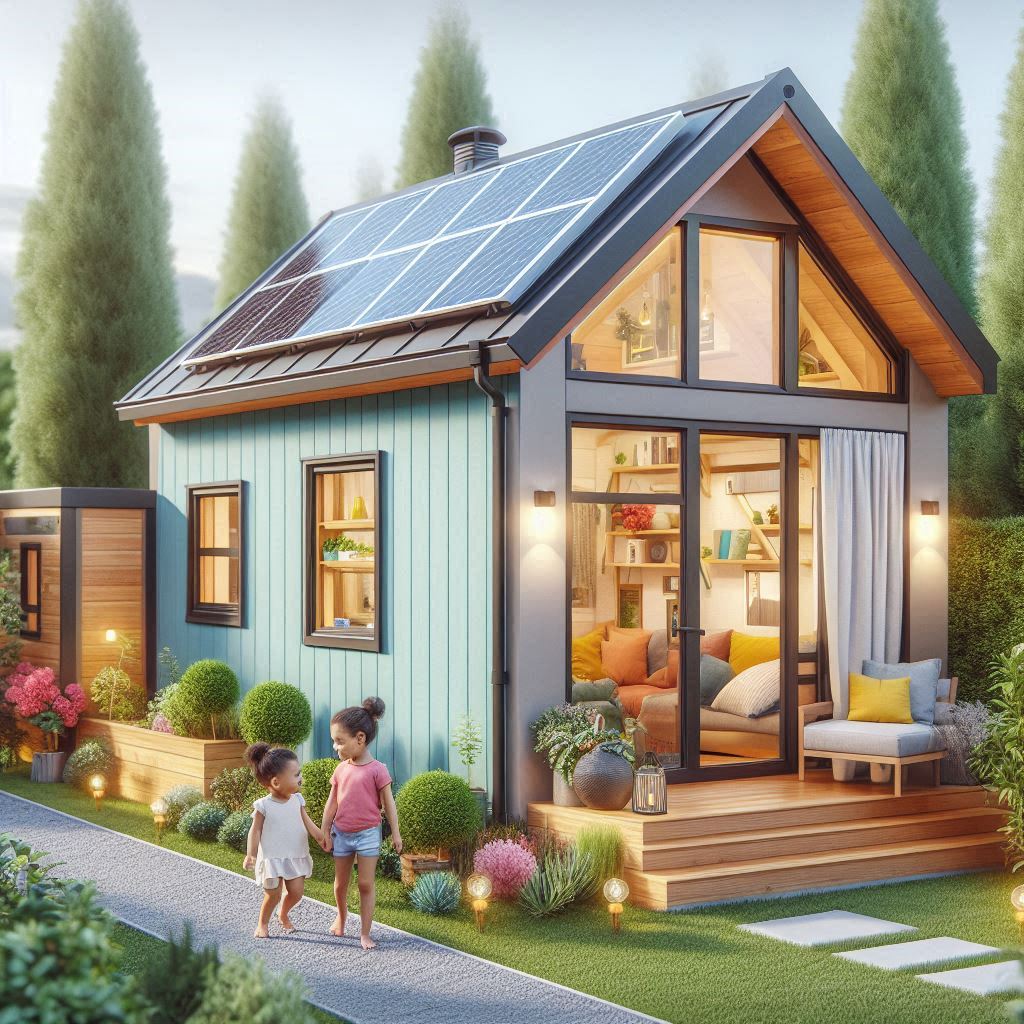
Tiny houses have been creating quite the buzz lately. Forget the conventional mansion or suburban but the cozy, adaptable world of tiny houses. These compact homes pack a punch with their simple yet efficient design, making them appealing to families looking to declutter and live purposefully.

So, what qualifies as a ‘tiny home’? These are structures typically smaller than 400 square feet, focusing on efficient use of space and sustainability. The amenities can vary widely, from basic necessities to fully decked-out smart home features, suitable for a range of family needs.

But why are families diving into tiny house living? There’s a lot on the plus side – reduced living costs, less clutter, and more quality time. Imagine cutting your utility bills drastically while spending more evenings playing board games instead of cleaning.

Of course, it’s not just a walk in the park. Families in tiny homes face unique challenges. Ensuring everyone gets enough personal space and dealing with the lack of traditional storage can be tough nuts to crack. But with smart planning and creativity, these challenges can often become opportunities for bonding and innovation.

Next Steps for Families Exploring Tiny Living

Is Tiny House Living Realistic for Families with Kids?

Living with kids in a tiny house might seem like trying to fit a jigsaw piece where it doesn’t belong, but it’s all about creativity and smart planning. Making the most of limited space requires some ingenuity. Think in terms of multifunctional furniture — beds that fold into walls or storage that doubles as seating. It’s amazing how little changes can make a huge difference!

Privacy is often a big question. Anyone with kids knows how precious those few moments of peace can be. The trick lies in creating little personal havens, even in a small space. Curtains, bunk beds, or clever room dividers can carve out personal zones for everyone to retreat to.  If you’re planning a family setup, these tiny home layout ideas can help you choose a floor plan that supports privacy, storage, and daily routines.

Daily life in a tiny house involves some unique dynamics. Preparing meals might turn into a family event, or breakfast could become breakfast on the go. With smaller spaces, housework gets simplified, giving the family more time to spend together on what truly matters, like playing catch outside or reading bedtime stories.

Meeting new friends or engaging in community kids’ activities often extends beyond the walls of the house. Kids adapt surprisingly well, especially when their world inside the tiny home is just a part of a bigger world outside filled with nature walks or visits to the park. After all, home is not just four walls, but a launchpad to explore!

Financial and Legal Considerations for Families

When it comes to financing a tiny house, families have a couple of options up their sleeve. Traditional mortgages aren’t always on the table due to the unconventional nature of tiny houses, but personal loans, RV loans, or tiny home-specific loans can step in to save the day. Keeping an eye on interest rates and loan terms is key to making a smart financial decision.  If you’re still estimating your overall budget, start with cost to build a tiny home in 2026 so you can compare financing options realistically.

Whether to own or rent is another big decision for families considering tiny homes. Ownership offers stability and control, but renting can provide flexibility, especially if families are still testing the waters of this lifestyle. Renting can also be a good choice in areas where tiny houses face legal restrictions.

Speaking of legal stuff, the rules about tiny houses can vary dramatically from state to state. It’s crucial to dig deep into zoning laws and building codes in your desired area. Some places are tiny home-friendly, while others require a bit of navigating through red tape. Always make sure that your home is compliant to avoid future legal hiccups.

Understanding these legal and financial aspects helps families make informed decisions on whether tiny living can fit their lifestyle. Every family’s situation is unique, and considering both the benefits and restrictions is a surefire way to steer your new lifestyle in the right direction.

Adapting and Thriving: Sustainability for Families in Tiny Houses

Kids have a knack for adapting to new environments, and tiny living is no exception. While a smaller space might initially seem daunting, children often find it exciting, enjoying the cozy nooks and unique setups. For little ones, a tiny house can feel like the ultimate fort, packed with adventure at every corner.

As families grow, the question of sustainability pops up. Can such a compact space accommodate a growing family? The answer lies in flexibility. Many tiny house designs offer modular solutions, allowing families to expand with innovative additions or reconfigure spaces as needs change. The key is in designing a home that can evolve alongside the family.

Living tiny often encourages a minimalist lifestyle naturally. With limited space, families tend to focus more on experiences rather than accumulating stuff. It’s a shift that not only eases the clutter but also fosters a more meaningful way of living, prioritizing human connections over material possessions.

Additionally, embracing a tiny house lifestyle can be a greener choice. With reduced energy consumption and a smaller footprint, tiny homes tend to have less environmental impact. It’s an opportunity to teach kids about sustainability and the importance of being mindful of our resources.

Tiny living also opens doors to a blend of indoor creativity and outdoor exploration, encouraging families to partake in activities that extend beyond their four walls. Whether it’s growing a small garden or venturing into local parks for weekend hikes, the limitations of a tiny house often propel families to dive deeper into communal and nature-oriented experiences.
Family Home To Tiny House Journey

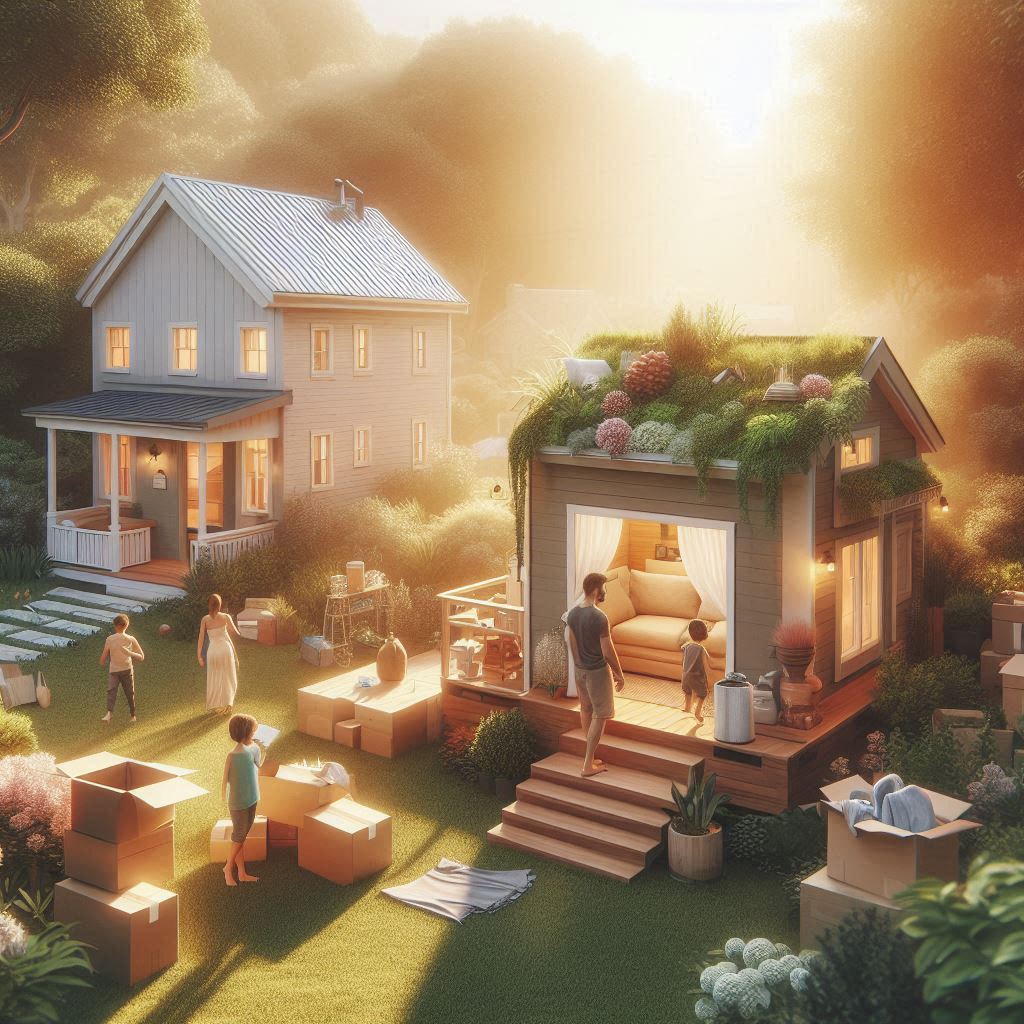
Jumping from a family home to a tiny house might feel like trading in a mansion for a matchbox. But for many, this transition promises a life that’s richer in experience rather than possessions. People often find themselves drawn to tiny houses for their simplicity and the freedom they provide from clutter and chaos.  If you’re considering tiny living with kids, start with tiny house living for families to understand the day-to-day reality, space planning, and what to expect before making the switch.  If you’re considering tiny living with kids, start with tiny house living for families to understand the day-to-day reality, space planning, and what to expect before making the switch.

First off, let’s look at the motivation behind this lifestyle change. It’s more than just a space swap. Many people are yearning for less responsibility strapped to a big house and more time for adventures and personal growth. Less stuff often means less stress, and a tiny home forces you to focus on what really matters. It’s about embracing a minimalist lifestyle, living within your means, and reducing your carbon footprint without sacrificing comfort.

Now, transitioning to a tiny home isn’t just about taking a leap of faith—it’s about gradual adaptation to a whole new way of living. For instance, you learn to get creative with storage, prioritize needs over wants, and find joy in multifunctional furniture. Meet small space challenges with big ideas. For practical floor plan ideas that make small spaces work better, explore these tiny home layout ideas

The appeal of tiny homes today is undeniable. Many view it as a solution to financial burdens tossed up by the traditional housing market. With rising costs and stagnant wages, a tiny house offers an affordable, flexible housing option.  If you want realistic numbers for budgeting, see cost to build a tiny home in 2026 before you start planning your move.

Join the tiny house craze not just for its trendy appeal. It’s about gaining a deeper connection to your surroundings, reducing your environmental impact, and fostering a sense of community—all while learning to savor life’s simple pleasures.

Decoding the Realities and Expectations of Tiny Living

The charm of downsizing can wear thin when conversations about tiny homes start circling myths, especially when it comes to big life changes like divorce rates. There’s a rumor out there that tiny homes spike divorce rates, but numbers to back that up are scarce. Relationship dynamics in close quarters are definitely tested—patience and communication become your new best friends.

Tiny living does, however, come with real downsides worth considering. The lack of space can be a stressful adjustment, especially if you’re used to sprawling rooms and open landscapes. Privacy gets a whole new meaning when there’s barely any. Zoning laws can throw a wrench in your plans since some areas might not even allow you to park a tiny home legally. When it comes to resale value, tiny homes can be a gamble as well; they don’t always retain value as their bigger counterparts do. Limitations on expansion mean what you see is what you get, with little room—or possibility—for growth.

You might be wondering what’s next after you’ve embraced and possibly outgrown tiny living. For some, the next step up from a tiny home isn’t necessarily a return to a traditional house. It could be a slightly larger minimalist residence or even joining a co-housing community for shared living and expenses. The transition is as personal as the decision to go tiny in the first place. It’s all about finding what suits your evolving lifestyle and circumstances.

Navigating the Legal and Financial Landscape of Tiny Homes

When you’re ready to roll with your tiny house dreams, knowing where you stand legally and financially is critical. Not all US states welcome tiny homes with open arms, but a few are paving the way with enticing offers. Tiny-home friendliness varies widely by county and city, even within the same state—so always check local zoning and building codes.

Financial planning when it comes to tiny houses needs careful thought. Sure, the initial cost can be way lower than a standard home, but don’t forget about hidden expenses. Zoning laws can add unexpected costs, and securing financing might be tricky since many tiny homes don’t qualify for traditional mortgages. Dig into local zoning regulations to ensure your plans won’t be stalled by legal barriers. You might need to consult a legal expert who can guide you through registration, insurance, and land use restrictions.

Remember, choosing the right location isn’t just about legality; it’s about finding a community where tiny living is embraced. Research thoroughly to spot tiny house-friendly areas that offer a balance between legality and lifestyle. Don’t skip on scouting for places where your tiny dream can thrive alongside a welcoming community and practical amenities.

If going tiny is calling your name, embrace it with eyes wide open. Financial foresight, legal know-how, and a clear vision of what you want out of this lifestyle change are your best allies. It’s about weighing the challenges against the newfound freedom and deciding what makes your heart skip a beat.

Family Tiny House Success Stories

Tiny houses have sparked a revolution, offering a refreshing alternative to traditional living spaces. For families, these compact, efficient homes don’t just cut costs; they redefine what it means to live comfortably and sustainably. A look into real-life successes shows the powerful ways families make it work.  If you’re exploring whether tiny living is realistic for kids and daily routines, start with tiny house living for families for a practical overview of space planning, privacy, and lifestyle trade-offs.

Take the Johnsons, for instance. Moving from a spacious suburban home to a 200-square-foot house on wheels, they embarked on this journey to eliminate debt and retire early. They didn’t just downsize their belongings—they downscaled their way of life, prioritizing meaningful experiences over material possessions. Now, they spend more weekends camping and hiking with their kids, celebrating the newfound financial freedom.

Customization plays a massive role in how families thrive in tiny homes. The Smiths designed their space with an ingenious slide-out bed that converts into a workspace during the day. This kind of flexible design ensures every inch of the home serves a purpose while accommodating the dynamic needs of a family. Creative solutions like these make tiny homes not just livable but lovable.  For more planning ideas like this, these tiny home layout ideas break down the most functional floor plan styles for families and small spaces.

Besides the financial and spatial creativity, families often find emotional rewards. Living in close quarters has helped the Mendez family communicate better and strengthen their bonds. Without space for emotional or physical distance, they talk more, laugh more, and argue less. It’s a return to simpler joys that feels like a hug from the past.

One quote that sticks with me comes from the Parkers: “In our tiny home, life feels big.” It’s a testament to how less can truly be more when it helps amplify what genuinely matters—whether it’s shared family time, personal growth, or just simpler living.

Common Challenges and Mistakes in Tiny House Living

Every adventure has its bumps, and the tiny house journey isn’t without its challenges. A few common pitfalls can make or break the experience, particularly for families trying to squeeze the most out of minimal space.

One glaring mistake many make is underestimating the importance of storage. It’s crucial to brainstorm smart storage solutions right from the get-go. Missing this can mean constant clutter frustration. Think vertical—shelves and hooks can be lifesavers.

Legal hurdles can also trip up the tiny house dream if you’re not careful. Zoning laws and building codes vary greatly by area, and not doing the homework can lead to serious legal hassles down the road. Checking local regulations beforehand can save a lot of headaches.

Navigating emotional challenges is another biggie. Sharing a small space could magnify tensions if everyone doesn’t find their groove. Creating designated ‘me-time’ zones—even if they’re just a reading nook or a small balcony—can make a world of difference.

Tiny homes are attracting everyone from budget-focused families to high-profile minimalists, which speaks to how flexible the lifestyle can be. If a billionaire can find balance in tiny living, it invites a fresh perspective on minimizing excess while maximizing function.

Future of Tiny Homes: Longevity and Market Trends

Tiny houses aren’t just a passing fancy—they’re here for the long haul. While the hype may ebb and flow, the core perks of minimalistic living and sustainability keep their charm intact. With changing lifestyles, environmental concerns, and economic shifts, tiny homes remain a compelling choice, especially looking into 2026.

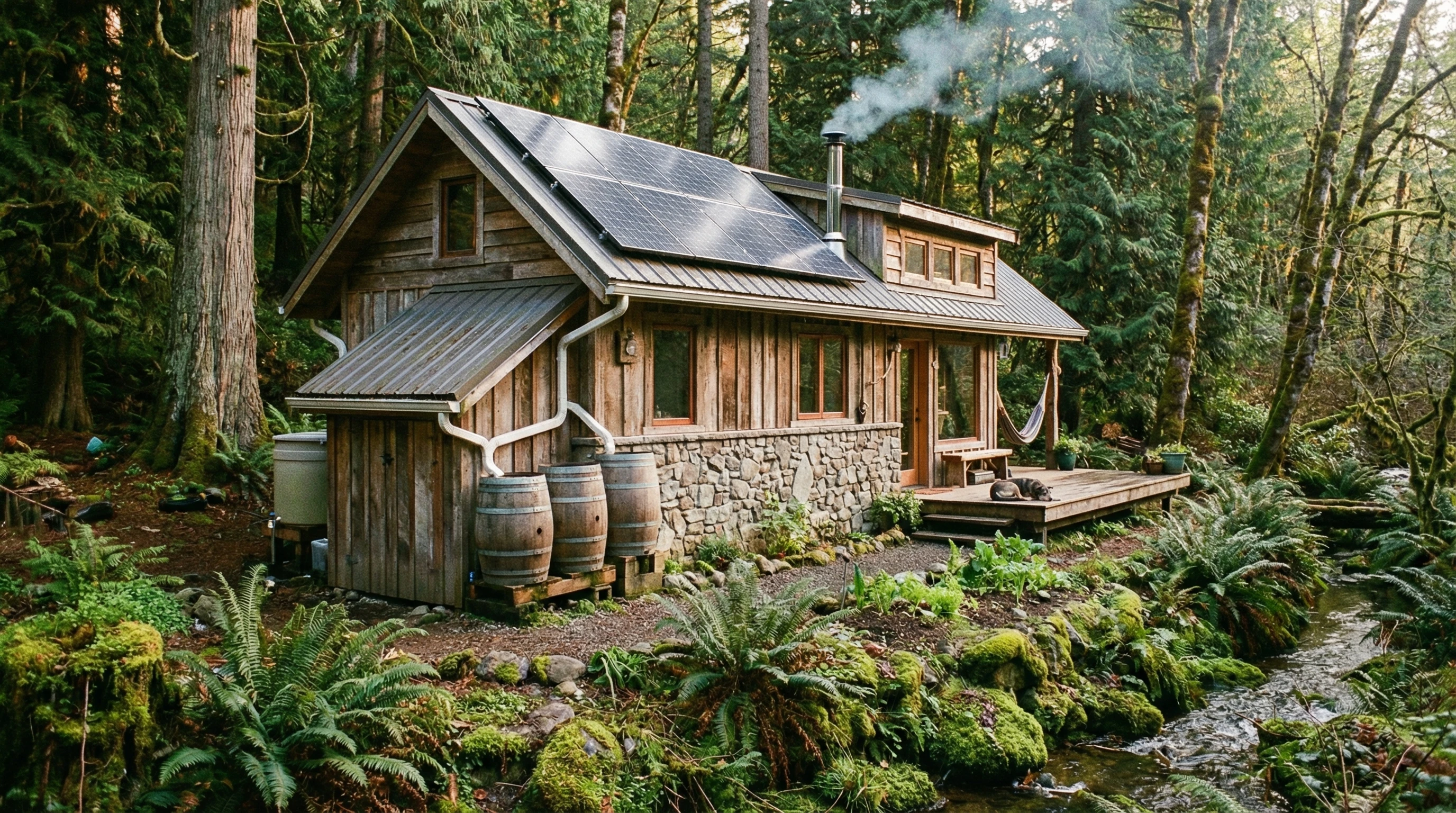
A big draw of tiny homes is their eco-friendly footprint. Many are built with sustainable materials, equipped with solar panels, and use rainwater collection systems. This green slant makes them appealing for eco-conscious families looking to shrink their carbon footprint.

The average lifespan of a tiny home generally mirrors that of your typical house, provided they’re well-constructed and regularly maintained. Quality materials and proper care can keep these small spaces cozy for decades.

Technological advances are steadily raising the bar for tiny homes, too. With innovations in energy efficiency, off-grid capabilities, and smart home technology, tiny houses are becoming mini powerhouses of comfort and convenience.

Experts predict that as more people look to simplify their lifestyles, the interest in tiny homes will keep growing. Whether as primary residences or additional backyard retreats, they’re a flexible, resourceful solution for modern living. So, investing some time in understanding the potential of tiny homes might just open doors to a more sustainable, adventurous way of life.

Future Tiny Home Living Trends

Tiny homes are getting a major style upgrade as we inch closer to 2026. Imagine open spaces with minimalist vibes, packed with personality through bold architectural flair. Architects are blending functionality with aesthetic charm, crafting spaces that are less about extravagance and more about smart, efficient design.

Sustainability is key. Builders are leaning heavily into eco-friendly materials like reclaimed wood and recycled steel. It’s about making homes that aren’t just beautiful, but kind to the planet too. You might notice roofs with solar panels and walls built from innovative materials that keep the heat in during winter and out in the summer. It’s all about working with the environment, not against it.

Modular and prefab designs are showing up more and more, making tiny homes flexible and faster to pop up. Think LEGO blocks but for grown-ups. You can mix and match sections to custom-fit your lifestyle needs, with rooms you can add or remove as your circumstances change.

Finally, smart home tech is having a moment in the tiny house scene. Imagine controlling your lights, thermostat, and security systems all from your phone, no matter where you are. Automation isn’t just a luxury for sprawling homes anymore. It’s about giving tiny homes the power to pack a punch without losing focus on simplicity and efficiency.

Is the Tiny House Trend Really Over?

The tiny house trend might be shifting, but it’s not disappearing anytime soon. Market forecasts suggest the tiny home industry continues thriving, driven by increasing interest in sustainability and cost-effective living. While some may say the buzz cooled, tiny living is solidly rooted, particularly among those seeking alternative housing solutions.

Societal shifts like remote work and minimalist lifestyle trends have a significant impact. More people are valuing experiences over possessions, leading them to downsize. The pandemic accelerated these changes, making folks rethink how much space they really need and how living small might cater to their new lifestyle focus.

Media portrayal plays a huge role too. Shows and documentaries highlight the charm and challenges of tiny living, shaping public opinion. Contrary to claims of its decline, media plays a part in keeping the inspiration alive and expanding people’s perception about the feasibility and attractiveness of tiny homes.

Real stories from tiny house owners reveal that the community is steadily growing. Co-housing arrangements, eco-villages, and urban tiny living projects are sprouting up, showcasing that tiny homes are more than a phase. They’re part of a broader movement towards more thoughtful, sustainable living choices.

What to Consider Before Embracing Tiny Living: A Buyers’ Insight

Jumping into the world of tiny living? There’s a bit to think about before making the leap. Tiny homes might look like a dreamy escape from excessive costs and clutter, but it’s crucial to dig a little deeper.

First off, why are you considering a tiny home? Many are driven by the lure of financial freedom. With lower utility bills and minimal maintenance costs, tiny homes offer a way to live more with less. A simplified lifestyle also brings joy to those seeking a less complicated, clutter-free life. And, of course, minimizing one’s ecological footprint is a top reason for many eco-conscious folks signing up for tiny living.

But before you order that adorable tiny abode, zoning laws need a careful look. These rules can vary greatly depending on location and might affect where, or if, you can park your tiny house. It’s essential to research these aspects early on to avoid any unexpected headaches later.

Living small isn’t merely about shrinking your space; it’s about resizing your life to fit different priorities. Evaluate if you’re ready to live in close quarters and adjust major lifestyle habits. It’s a trade-off between comfort and simplicity, freedom and restrictions. Explore how these align with your personal and professional goals before making a final decision.

Balancing restrictions with aspirations is a delicate dance, but one done mindfully can lead to extraordinary life satisfaction. Make sure the choice reflects your aspirations, not just current trends or romantic notions of what tiny living appears to be.

Future Of Tiny Home Living

Tiny Home with Solar Panels

Tiny home living keeps attracting attention for its blend of flexibility, lower costs, and a mindset focused on enjoying a simpler, more intentional life. I’ve seen this trend spread, and more people are realizing how downsizing can lead to meaningful changes. With smarter design, ecofriendly features, and creative ways to use every inch, the future of tiny homes is looking even more eye-catching.


The Evolving Appeal of Tiny Home Living

The rising popularity of tiny homes isn’t just about having a small, cute place—it’s really about seeking financial freedom, trimming your environmental impact, and chasing less clutter with more freedom. When you cut back on what isn’t necessary, it’s easy to focus on what matters. For lots of folks, a modest space opens the door to greater opportunities for travel, hobbies, and connection with others.

  • Cost Savings: Building and maintaining a tiny home usually costs much less than a full-sized house, and that leftover budget can go toward trips, saving up, or an early retirement.
  • Flexible Living: Many tiny homes are built on wheels for easy relocation. Some use modular designs that can change as life moves along.
  • LowMaintenance Lifestyle: When you have fewer square feet, you spend less time cleaning and less money on repairs or things you don’t really need.

The demand keeps growing, and local governments are starting to keep up with zoning and legal changes that make tiny living more possible than ever.


Fresh Design and Technology Trends

Tiny homes today use clever solutions to stretch every inch. You’ll find space saving furniture, smart storage, and newer building materials bringing real comfort and convenience to micro-sized living spaces.

  1. Multipurpose Spaces: Sofas turn into beds, lofted sleeping areas clear out floor space, and foldaway tables help rooms serve several uses without feeling crowded.
  2. Ecofriendly Tech: Solar panels, composting toilets, rainwater collection, and super-efficient appliances work together to lower utility bills and step up environmental benefits.
  3. Smart Home Features: Small security systems, app-based lighting, and remote thermostats make it easy to manage energy needs and comfort, no matter the home’s footprint.

I’ve noticed plenty of new builders are adding these options, so tiny homes are becoming more practical and comfortable than ever before.


Challenges to Think About

Tiny home life often sounds dreamy, but it brings a few things to think on. Space can be tight, and not everyone is ready to let go of extra belongings. Zoning and building rules sometimes create hurdles, so working with a pro or researching in detail can smooth the way.

  • Storage: You have to be choosy about what sticks around. Creative storage—like underbed drawers and vertical cabinets—can be a lifesaver.
  • Legal Barriers: In some areas, finding a legal spot to park or live long-term means checking into building codes and zoning laws.
  • Utilities & Amenities: For those who go off-grid, extra thought needs to go into how you’ll handle power and water, especially if your home is mobile.

Finding the perfect spot and the best setup takes patience. Being clear on your comfort level, how much you want to move, and your priorities for self-sufficiency helps focus your choices.


Making a Tiny Home Future Fit You

Tiny homes now serve as weekend getaways, guest spots, and are main homes for everyone from young professionals to retirees. The lifestyle is wide open: minimalists, adventurers, couples, or anyone wanting less hassle and more peace can feel at home.

Some helpful advice for wannabe tiny dwellers:

  • Read up on local laws and zoning before buying or building land.
  • Try modular designs that make it easy to adapt as your life or family changes.
  • Take a test-run with a vacation or longer rental before making the full switch.
  • Seek out builder warranties and connect with designers who know their way around small spaces.

Tiny homes give more choices for affordable, personal, and earth-friendly living. This movement is flexible and creative, offering styles and setups for nearly everyone. There are even tiny communities and online groups where ideas and support are spread the word quickly.


Share Your Tiny Living Dream

If you’re eyeing a move to a tiny home—or are already making plans—sharing your ideas helps others learn too. The tiny home community is packed with practical advice and friendly support. Got stories or tips, or lessons learned the hard way? Drop a comment to help others considering the switch. Your experience can help spark new dreams and make the transition smoother for fellow tiny home fans.