How To Declutter Your Space

Clearing out space isn’t just about tossing things aside. It’s a way to lighten the mental load and breathe easy in your own home.  Clutter can be a sneaky thief, robbing us of our headspace without us even noticing. Addressing this isn’t just about tidiness—it’s about lifting an invisible weight off your shoulders.  If you’re exploring minimalism as a lifestyle (not just a one-time cleanout), start with the benefits of minimalist living to see how reducing clutter can improve stress, focus, and overall well-being.

Our living environments can say a lot about our inner state. When the space around us gets cluttered, it might mirror the chaos we’re feeling inside. Think about how much better you feel when you sit down in a tidy room. That sense of calm is no accident. By making deliberate choices to cut down on clutter, you’re prioritizing your well-being, not just tidying up.  If you’re new to the lifestyle side of this, here’s a simple guide on how to start minimalism without feeling overwhelmed.

There’s an interesting concept called the 80/20 rule, mostly used in business but very applicable here. It’s about understanding that a small portion of your space—around 20%—is where the most lived-in activities happen, and focusing on decluttering this busy space can have a huge impact. The idea is to maximize the use of that 20% so you spend less time stressed about the remaining 80% of stuff you probably never use.

I’ve seen firsthand how life-altering getting rid of excess can be. Some folks find peace after decluttering, feeling they are no longer drowning in stuff. By trimming the excess, you can clear a path to what truly brings you joy and make room for that stuff instead.

Spotlight on Popular Decluttering Techniques: Finding What Works for You

Finding a decluttering method that clicks with your lifestyle can make all the difference. Each person has a unique way of interacting with their space, and thankfully, there’s no shortage of strategies to help you decide what stays and what goes.

Starting with the 5 5 5 rule, it’s simple yet effective. You’ll identify five things to donate, five to trash, and five to return to their rightful place. It gets you moving without feeling overwhelmed, a bite-sized approach for those who prefer a little structure without a huge commitment.

  • donate 5
  • trash 5
  • put back 5

The 333 rule will resonate with anyone ready to declutter their wardrobe. It’s about choosing 33 items to wear over a period of three months, excluding basics like undies and workout gear. This approach helps you figure out the clothes you truly love, and there’s something freeing about knowing exactly what’s in your closet.

Another gem is the 10 10 10 rule. It’s a fun game of sorts, recommending you find ten items to throw away, ten to donate, and ten to put back where they belong. It’s perfect when you’re in the mood for a quick, productive session that still packs a punch in the fight against clutter.

  • toss 10
  • donate 10
  • return 10

Picking a method that feels right depends on your personal rhythm. What sparks motivation in you? The key is to experiment, try a little of each, and see what’s fun and rewarding. Each technique offers different perks. Some are quick and engaging, while others might lead to more profound changes in how you view your space as a whole.

Step-by-Step Guide to Crafting Your Decluttering Strategy

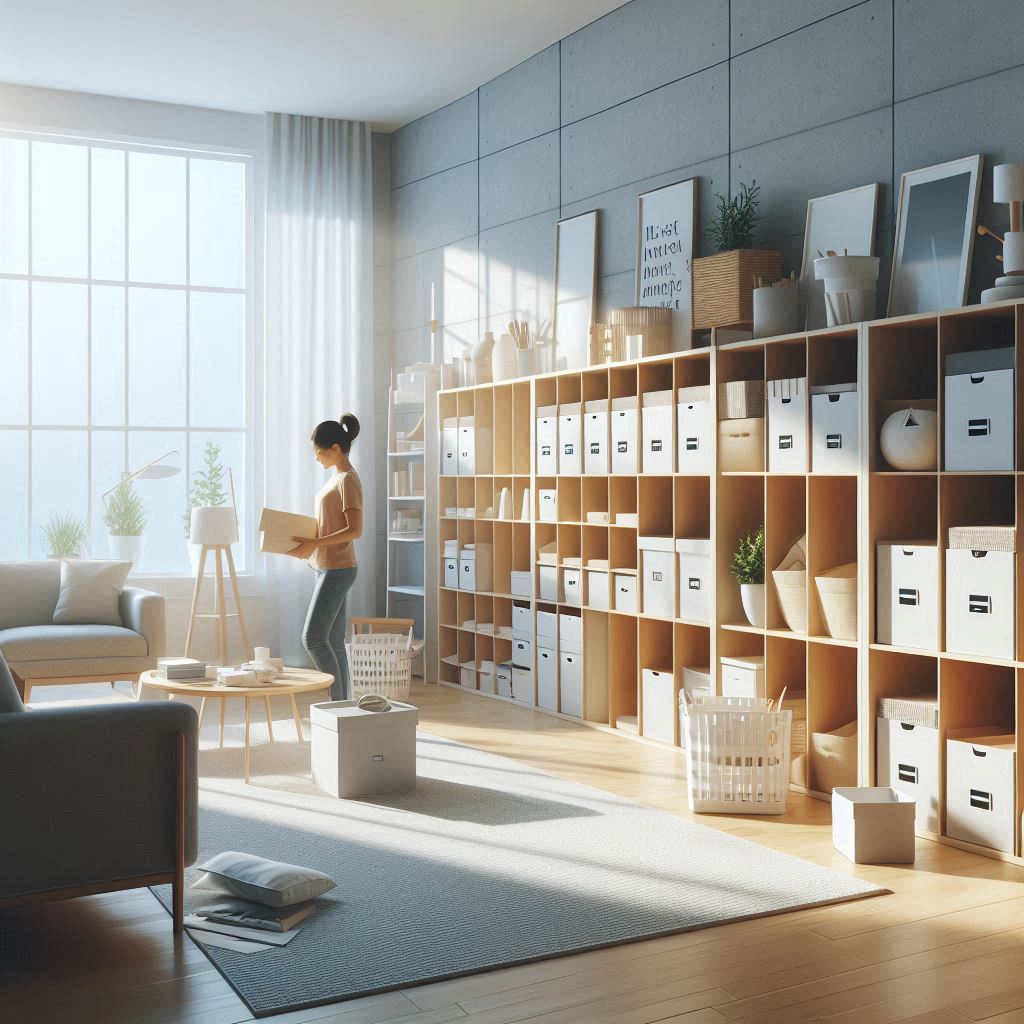
Taking that first step in decluttering can be the hardest, especially if your stuff feels like it’s got a life of its own. Start by giving your space a once-over to see where things get most chaotic. Focus energy on high-traffic areas where clutter might disrupt your daily groove.

Next, map out a few goals. Want a serene bedroom? An organized kitchen? Focus on getting a specific vision for a room, rather than tackling everything at once. This helps to break things down into smaller, more manageable projects and keeps motivation high.

Organizing by category rather than room is a game-changer. When you pull everything out, it’s easier to spot duplicates or items that don’t quite fit into your lifestyle anymore. Be bold about purging things that don’t spark joy or serve a purpose. When tackling sentimental items, remind yourself that it’s about preserving memories, not just stuff.

The idea is to declutter once and sustain those results. Building new habits like practicing nightly five-minute tidy-ups or setting occasional “edit” days on your calendar can keep clutter at bay. Make it part of the rhythm of life rather than a once-in-a-blue-moon marathon. This turns decluttering into a habit, not a chore.

Tools, Tips, and Communities: Supporting Your Decluttering Journey

Having the right tools can make decluttering feel more like a breeze than a battle. Apps like Sortly or Home Inventory can help keep track of what you have and where it goes. These digital helpers can give you a visual overview of your belongings, perfect for organizing or planning your next donation run.

Support can be a game-changer. Online communities and forums are a treasure trove of tips and motivation. Spaces like Reddit’s declutter subreddit or Facebook groups dedicated to minimal living offer real-world advice from folks on this journey too. Getting involved in discussions can spark fresh ideas and help you stay on track when motivation dips.

If you’re sharing your home with others, involving them in the process can transform the dynamic of the household. Turn it into a weekend challenge or a fun family project. Reward yourselves with something special once a big task is completed—maybe a homemade pizza night or a movie marathon.

Seeing how others have tackled their clutter can be truly inspiring. Personal stories of transformation highlight the emotional release that can come after letting go. Testimonials show it’s not just about less stuff, but gaining more clarity, freedom, and happiness in your space.
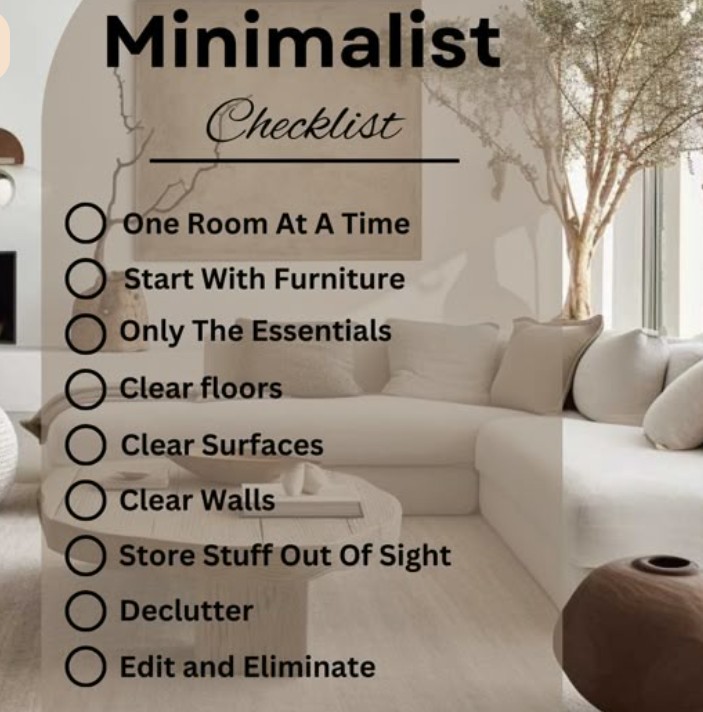
How To Embrace Minimalism

Minimalism often gets tied up with having a tidy house or owning just a few things. But it’s more than clean lines and monochrome spaces. At its core, minimalism is about cutting out the excess to focus on what truly adds value to your life. It’s a mindset shift where you prioritize quality over quantity, be it in possessions, activities, or even time spent with people.

Embracing minimalism means living intentionally, creating a life that aligns with your values rather than getting swept up in material cravings or societal pressures. It’s about understanding what gives your life purpose and letting go of the distractions. Trust me, it’s not a one-size-fits-all approach. Each person’s minimalist journey looks different. If you want the big-picture “why” behind minimalism—less stress, better focus, and smarter spending—start with the benefits of minimalist living before you dive into the day-to-day habits.

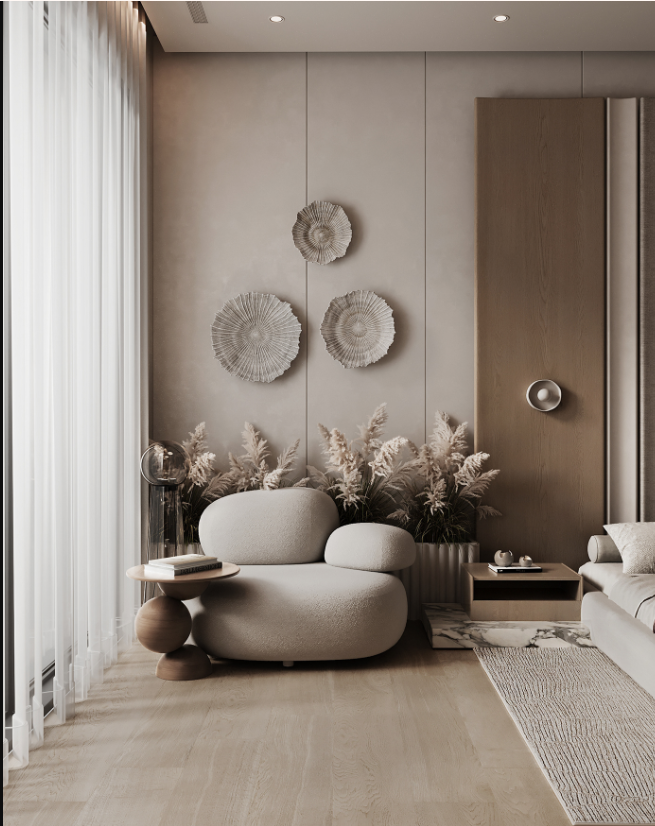
When we talk about design that embraces minimalism, think of spaces that breathe. It’s an architectural vibe that promotes simplicity. A minimalist design strips away the chaos, leaving behind just the essentials without making the space feel bare or cold. It’s about balance, proportion, and those oh-so-small details that stand out because there’s less clutter. Something you can definitely carry over into other areas of your life.

Minimalism pushes us to rethink the plush comforts we thought were necessary. It’s not just about having less stuff; it’s about making room for more of what matters. Whether it’s that freeing sensation of an uncluttered room or the mental clarity that comes with a simplified schedule, minimalism encourages us to engage with the world in a deeper, more intentional way.

The 90-90 Rule: A Practical Step Towards Minimalism

The 90-90 rule is like a trusted friend in your minimalist journey. Here’s the deal: take a hard look at what you’ve been using. Ask yourself, have you used this item in the last 90 days? Will you use it in the next 90? If the answer is no, it’s probably time to say goodbye. This rule pushes you to be honest about what truly serves you and clears space for what does. It helps cut out what just sits around collecting dust, bringing in a sort of clear-headed freedom.

Applying the 90-90 rule can be surprisingly liberating, yet challenging. It forces you to confront why you’re holding on to certain items. Emotional attachments and ‘just in case’ mentalities are hard to shake, but remember, minimalism is about intention. Use the rule as a tool to guide you in making those tough calls.

Everyday life can totally benefit from the 90-90 rule. Start small, tackle a cluttered drawer or closet. Evaluate each piece. As you apply it more, decision-making around possessions gets easier. It’s not about purging everything but ensuring the things that surround you are genuinely useful.

Embracing this rule impacts more than physical space. It brings an unexpected mental clarity and reduces decision fatigue. Letting go lightens emotional and physical baggage. Plus, it frees up resources and time to focus them where they really count. Think of it as a filter for a fresher, more intentional chapter in life. If you’re brand new and want a simple starting point, read how to start minimalism in small, manageable steps.

Steps to Embrace Simplicity: Making Minimalism Work for You

To truly embrace simplicity, start by getting real with yourself about what you actually need. Assess those items and habits that add real value to your everyday life. Don’t just scratch the surface; dig deep to figure out what aligns with your personal values and goals.

Practical steps to embrace simplicity often begin with small changes. Consider cutting down your wardrobe to those pieces you actually wear. It’s not about sacrificing style, but more about honing it. Apply this same idea to your digital life, decluttering inboxes and unfollowing accounts that don’t bring joy or inspiration.

Changing your mindset is a powerful part of minimalism. Instead of focusing on what’s missing, pay attention to what fills your heart and mind. Be intentional about your choices, focusing on experiences and interactions that enrich your life. This shift reveals the joy found in simplicity, showing life through a cleaner, less distracted lens.

Design plays a pivotal role in creating spaces that nurture simplicity. Choose quality over quantity in decorative elements, and remember that open spaces can provide more than room for movement—they create a sense of peace and clarity. They become reflective of your simpler lifestyle, providing room to breathe and think. Everything shouldn’t be filled up just for the sake of it.

Embracing minimalism is all about making conscious choices, every day. It’s about slowing down and considering how possessions, time, and energy are being used. Start with one change, and gradually expand it to other areas of your life. Letting go of the non-essentials gives room to truly savor the essentials. And that, my friend, is where the beauty of minimalism really shines.

How To Start Minimalism

Diving into minimalism might seem like a big leap, maybe more so if you’re surrounded by stuff. But here’s the thing – minimalism is about finding freedom and clarity in less, not about ditching all your beloved things overnight. It’s a mindset that celebrates intentional living, helping you focus on what truly matters.  If you’re still deciding whether minimalism is worth it, start with the benefits of minimalist living to see how it can reduce stress, improve focus, and support small-space living.

Beginning your minimalist journey can feel daunting, but starting with small, manageable steps can make the transition smoother. Begin by identifying areas in your life that hold unnecessary clutter. It could be your closet screaming for some TLC or a kitchen rocked by gadgets you’ve touched twice. Start decluttering one category at a time.  If you want a simple, step-by-step approach, check out how to declutter your space without getting overwhelmed. Cherish what brings you joy or serves a purpose, and part ways with the rest. It’s not just physical stuff – think digital clutter, emotional baggage, and overbooked schedules, too.

Minimalism doesn’t have to be a strict rulebook you follow to a T. It’s about adopting practices that enhance your life. Test out different strategies like the KonMari method (yes, thank you, Marie Kondo!), or try a capsule wardrobe. The idea is to find what resonates with you and stick with it, making a meaningful impact on your daily grind. Get inventive!

Here’s a tip: don’t get carried away by myths that minimalism means you need an empty room with five things in it. It’s about editing your life to make room for more adventure, creativity, and passion. Plus, don’t sweat the mistakes every newbie might slip into. Common missteps like getting rid of too much too fast can lead to regrets. Take your time to adapt and adjust.

  • decluttering too fast
  • Trying to copy someone else’s version of minimalism
  • Keeping everything “just in case”

Seeing minimalism as a tool can help you gain more balance, reduce stress, and improve mental clarity, making it easier to connect with the things and people you love. So give it a whirl! Your simpler, happier, and more fulfilled life may just be a clean shelf away. Happy simplifying!

Mastering the Minimalist Mindset: The 5-7 Rule

Ever heard of the 5-7 rule in minimalism? It’s a game-changer for keeping your space streamlined and your mind free. The idea is pretty simple: limit personal items or categories to a maximum of five to seven at any given time. Think of it as curating your life like a gallery where each piece has its own place and purpose.

This guideline is more than just about counting things. It pushes you to evaluate what’s truly necessary. It might make you think twice about keeping that tenth pair of sneakers or the stack of unread magazines looming in the corner. The key is to personalize what fits within your lifestyle without compromising comfort or style.

Practicality is the heart of the 5-7 rule. In your closet, it might mean choosing versatile pieces that work together, making your outfits effortlessly chic without a morning battle. In the kitchen, it could translate to maintaining only essential gadgets, focusing on quality over quantity, which is especially useful if counter space is at a premium.

Now, mastering this mindset doesn’t require you to become a monk with limited possessions. It’s about balance. Maybe your vinyl collection or art supplies bring you joy – just be mindful of the space they occupy and their role in your daily life. The real power lies in making deliberate choices and avoiding the “buy more, use less” trap.

The beauty of the 5-7 rule is it blends necessity with personal expression. You’re encouraged to keep the things you love but with a keen eye on functionality and joy. It’ll lead you towards a more thoughtful way of living, inviting peace and simplicity into every corner of your life.

Minimalism and the Mind: Is It Beneficial for ADHD?

For those grappling with ADHD, minimalism might just be a breath of fresh air. The clutter-free approach could ease overwhelming feelings and help tune out distractions, offering a straightforward solution to boost focus.

A cluttered environment often mirrors a cluttered mind, especially for individuals with ADHD. Simplifying spaces can help create a calming atmosphere where concentration comes easier. By reducing items that compete for attention, it’s possible to lower anxiety levels and make decision-making less of a chore.

Building a minimalist-friendly space tailored for ADHD needs isn’t rocket science. Think clean and serene – fewer knick-knacks, more open space. Even incorporating calming colors and smart storage solutions can make a big difference.

For someone with ADHD, sustainability also plays a role in how minimalism is practiced. Establish clear zones and routines, making sure everything has a home. This organization cuts down time wasted looking for things and lowers frustration, allowing more energy for fulfilling activities.

First-hand accounts share how minimalism makes room for creativity and enhances productivity. Some find that once they’re freed from the chaos, they can focus better on what truly counts, whether it’s a project at work or an evening hobby.

The journey toward embracing minimalism while managing ADHD is unique for everyone. The trick is to experiment with what brings harmony and ease to your life. It’s about creating an environment that supports you, not boxes you in. Embrace it, tweak it, and let it work wonders for your mind!

How To Create Minimalist Space

Minimalism is more than just tossing out old clothes or clearing your shelves—it’s about finding meaning in simplicity. This approach is all about creating environments that promote tranquility and functionality. If you want the “why” behind minimalist spaces (stress reduction, focus, saving money), start with the benefits of minimalist living before you redesign your home. 

Stepping into minimalist living starts with a shift in mindset. It’s crucial to recognize what truly holds value in your life and what clutters your space, both physically and mentally. This mindset helps drive decisions when you start the decluttering process.

When you aim to create a minimalist space, focus on mindful choices. Begin by evaluating each room’s purpose and determine what items support or conflict with that purpose.  If you haven’t cleared clutter yet, start with this step-by-step guide on how to declutter your space first — minimalist design is much easier once the excess is gone. This could mean clearing out furniture that takes up valuable space or reorganizing items in a way that seems more intentional.

The transition to minimalism isn’t about deprivation. It’s about making conscious choices that contribute to a lifestyle centered around freedom and intention. Ask yourself what ignites joy and utility in your life.

Implementing practical steps like starting small with one room or even just a drawer can make it more manageable. As you progress, you’ll find it easier to identify what enhances your space and what doesn’t. With each step, you’re not only removing clutter but also creating opportunities for more open and inviting spaces.

Navigating Common Pitfalls: Avoiding Minimalist Mistakes

Jumping into minimalism often means going through some trial and error. People sometimes mistake minimalism for just another purchase spree of ‘simple’ decor or furniture that’s marketed as minimalist but doesn’t fit their real needs.

One common mistake is thinking that buying storage solutions will solve clutter issues. It’s not about hiding stuff away in fancy boxes. If an item doesn’t serve a purpose or bring joy, it’s better to let it go instead of just tucking it away neatly.

Another pitfall is the organized chaos trap. It’s when you think everything has a place, yet the space still feels overwhelming. Minimalism should bring clarity and a clear sense of order, not just a shuffle of belongings.

It’s crucial to keep your space balanced, which involves ongoing assessments of your home environment. Check in regularly to see if new items have snuck in and disrupted the minimalist balance you’ve worked on achieving.

To keep clutter from creeping back, set some ground rules for what gets to stay or enter your space. Having a ‘one-in, one-out’ policy can help maintain order. The key is to remain conscious of your surroundings and the role each item plays in your life.

Rules of Minimalist Decor: Simplicity with Style

Mastering minimalist decor doesn’t mean stripping your home bare. It’s about curating with intention, where every piece has a purpose and contributes to a peaceful aesthetic.

  • Stick to a simple color palette
  • Use multi-purpose furniture
  • Keep surfaces visually clean (5–7 items max)

A popular guideline is the 5 7 Rule. This rule suggests maintaining no more than 5 to 7 items on any flat surface like tables or shelves. It helps keep visual clutter in check while encouraging thoughtful selection of decor elements.

At the heart of minimalist decor are core principles that emphasize simplicity. This includes using a neutral color palette that amplifies natural light and maximizes a sense of space. Whites, grays, and soft earth tones often dominate, creating a calming atmosphere.

Multipurpose items are a minimalist’s best friend. Think furniture that doubles as storage, or decor pieces that blend aesthetic appeal with practical use. These selections can make your spaces more dynamic and efficient.

Remember that keeping it minimal doesn’t mean losing personal touches. Select a few cherished items to display, ensuring they add personality without overwhelming the simplicity of your space. It’s all about striking the right balance between minimalism and representing who you are.

The essentials of minimalist decor revolve around functionality. Less really is more, driving home the idea that quality and utility trump quantity every time. By investing in a few high-quality items, your space remains stylish yet understated.

Minimalist Living Benefits

Minimalist living isn’t about empty rooms or owning as little as possible — it’s about intentionally designing a life with less distraction and more clarity. In 2026, as housing costs rise and digital overload increases, more people are turning to minimalism not just as a trend, but as a practical lifestyle strategy.

From reduced stress and improved financial control to increased focus and stronger relationships, the benefits of minimalist living extend far beyond decluttering a closet. Whether you’re transitioning into a tiny home or simply craving a calmer life, understanding the real advantages of minimalism can help you decide if this lifestyle shift is right for you

What Minimalism Is — and What It Isn’t

Minimalism is often misunderstood. It doesn’t require living in an empty home or eliminating every personal possession. Instead, it focuses on intentional ownership — keeping what adds value and removing what doesn’t.

The goal isn’t deprivation. It’s alignment. Minimalism asks a simple question: does this item, commitment, or habit support the life you want to live?

By shifting the focus from accumulation to intention, minimalism becomes less about restriction and more about freedom.

The Core Benefits of Minimalist Living

Minimalism isn’t just about owning fewer things — it creates measurable changes in how you think, spend, work, and live. Here are the most impactful benefits people experience when they adopt a minimalist lifestyle.

1. Mental Clarity and Reduced Stress

Clutter competes for attention. Excess visual stimuli can increase stress levels and reduce focus. By simplifying your surroundings, you reduce mental noise and create a calmer environment.

Many people who adopt minimalism report improved sleep, lower anxiety, and a greater sense of control over their daily routines.

2. Financial Freedom and Smarter Spending

Minimalism naturally reduces impulse purchases. When spending becomes intentional rather than reactive, financial habits shift.

Over time, this often leads to increased savings, less consumer debt, and more flexibility to invest in experiences or long-term goals — including transitioning into tiny home living.

3. Increased Productivity and Focus

A streamlined environment makes concentration easier. With fewer distractions, your workspace becomes a tool rather than a source of overwhelm.

Minimalism also reduces decision fatigue — fewer clothing choices, fewer possessions to manage, and fewer commitments competing for attention.

4. Stronger Relationships and Meaningful Experiences

When possessions take up less mental and physical space, relationships often move to the forefront. Many minimalists report spending more time nurturing friendships, hobbies, and personal growth.

The shift from “owning more” to “experiencing more” can significantly increase long-term life satisfaction.

5. Environmental and Sustainability Benefits

Owning less typically means consuming less. Reduced purchasing and more intentional buying habits contribute to a smaller environmental footprint.

Minimalism often aligns naturally with sustainable housing movements such as tiny home living.

Why Minimalism Naturally Supports Tiny Home Living

Minimalism and tiny home living often go hand in hand. When square footage is limited, intentional ownership becomes essential. Every item must serve a purpose, and every space must be thoughtfully designed.

Tiny homes naturally encourage minimalist habits — fewer storage areas mean fewer impulse purchases. Multi-functional furniture reinforces the idea of quality over quantity. Even daily routines become more streamlined when excess is removed.

For many people, embracing minimalism first makes transitioning to a tiny home significantly easier. Instead of feeling like downsizing, it feels like aligning your environment with your values.

Whether you’re planning a tiny home build or simply exploring the lifestyle, minimalism acts as the foundation that makes small-space living sustainable long-term.

Why Minimalism Is Gaining Momentum in 2026

In 2026, minimalist living is gaining renewed attention for practical reasons. Rising housing costs, digital overwhelm, and economic uncertainty are prompting many people to reassess what truly adds value to their lives.

Remote work has blurred the line between home and office, making clutter more disruptive than ever. At the same time, higher consumer costs are encouraging smarter spending habits. Minimalism offers a structured response to both challenges — creating calm environments and intentional financial decisions.

As tiny homes, small-space living, and sustainable design grow in popularity, minimalism becomes less of a trend and more of a practical framework for modern living.

Ready to Start Minimalism?

If you’re ready to turn the benefits of minimalism into real-life changes, here are a few helpful next steps:

Minimalist Techniques: The 30/30 Rule and the 5-7 Rule

Here’s the lowdown on the 30/30 rule that minimalists swear by. It’s pretty straightforward: if you haven’t used an item in 30 days, and you don’t plan on using it in the next 30 days, it’s time to let it go. This technique is a great way to clear out things that aren’t serving a purpose in your life, keeping only what’s genuinely useful or brings joy.

The 5-7 rule is another handy tool to keep your wardrobe under control. The idea is to have only 5 to 7 pieces of clothing in each category (like tops, bottoms, etc.). It’s about embracing versatility and finding joy in a simpler wardrobe. This rule helps prevent decision fatigue because fewer choices mean less stress.

These rules aren’t hard and fast but act as guiding principles to kickstart your minimalist journey. Adhering to them can make the process less overwhelming and more structured, especially when you’re starting out. It’s about finding what works best for you and making sure your environment supports your life, not the other way around.

Now, when it comes to practicality, both rules serve as useful frameworks for people who feel knee-deep in clutter. They’re adaptable to various lifestyles and needs, so feel free to tweak them as you go. The main goal is to be conscious of what you own and make room for what’s truly important.

Embracing these minimalist techniques can act as an eye-opener for just how much stuff we hold onto unnecessarily. They help shine a light on personal habits and can bring about lasting changes in how we view and interact with our belongings.

Happiness in Minimalism: Myth or Reality?

Are minimalists actually happier? This question often pops up when discussing the benefits of a pared-down lifestyle. Happiness, of course, is subjective, but study after study suggests that minimalists often report higher levels of satisfaction and contentment. With fewer distractions, there’s more opportunity to focus on relationships and experiences that tilt the happiness scale in the right direction.

Anecdotes from minimalists paint a picture of increased joy, noting how less clutter leads to a more peaceful life. When you’re not bogged down by stuff, you tend to have more time and energy to nurture meaningful relationships. Many say this has a direct positive impact on their happiness levels.

Now, it’s not all sunshine and roses—minimalism does come with challenges. It can sometimes feel like a balancing act, especially initially when letting go of items with emotional attachments. And, let’s be real, the social pressure to own things can be a bit of a hurdle too.

Exploring the psychological side of minimalism uncovers even more about its relation to happiness. Minimalism promotes mindfulness, where each item is a choice and not just a default. This awareness can lead to a more intentional lifestyle, reducing stress and boosting overall well-being.

Ultimately, whether minimalists are happier depends on individual values and priorities. For some, it’s transformative; for others, it might be more about moderation than strict minimalism. It’s about finding a personal balance where less feels like more.

Frequently Asked Questions About Minimalist Living

Is minimalism only about owning fewer things?
No. While reducing possessions is part of minimalism, the core principle is intentional living. It focuses on aligning your environment, spending habits, and commitments with your values.

Do you have to get rid of everything to be a minimalist?
Not at all. Minimalism looks different for everyone. The goal isn’t deprivation — it’s removing what doesn’t serve you so you can focus on what does.

Can minimalism save you money?
Yes. Many people experience reduced impulse spending, lower monthly expenses, and increased savings once they adopt more intentional purchasing habits.

Is minimalism necessary for tiny home living?
While not mandatory, minimalist habits make tiny home living significantly easier. With limited space, intentional ownership becomes essential for comfort and functionality.

Does minimalism make people happier?
Happiness is subjective, but many minimalists report reduced stress, greater focus, and stronger relationships — all factors associated with higher life satisfaction.