
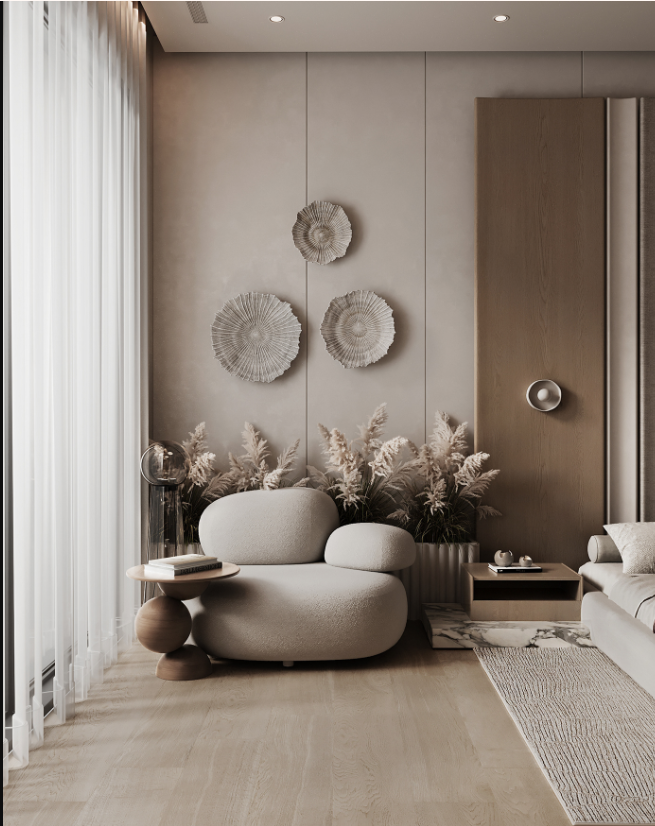
Minimalism often gets tied up with having a tidy house or owning just a few things. But it’s more than clean lines and monochrome spaces. At its core, minimalism is about cutting out the excess to focus on what truly adds value to your life. It’s a mindset shift where you prioritize quality over quantity, be it in possessions, activities, or even time spent with people.
Embracing minimalism means living intentionally, creating a life that aligns with your values rather than getting swept up in material cravings or societal pressures. It’s about understanding what gives your life purpose and letting go of the distractions. Trust me, it’s not a one-size-fits-all approach. Each person’s minimalist journey looks different.
When we talk about design that embraces minimalism, think of spaces that breathe. It’s an architectural vibe that promotes simplicity. A minimalist design strips away the chaos, leaving behind just the essentials without making the space feel bare or cold. It’s about balance, proportion, and those oh-so-small details that stand out because there’s less clutter. Something you can definitely carry over into other areas of your life.
Minimalism pushes us to rethink the plush comforts we thought were necessary. It’s not just about having less stuff; it’s about making room for more of what matters. Whether it’s that freeing sensation of an uncluttered room or the mental clarity that comes with a simplified schedule, minimalism encourages us to engage with the world in a deeper, more intentional way.
The 90-90 Rule: A Practical Step Towards Minimalism
The 90-90 rule is like a trusted friend in your minimalist journey. Here’s the deal: take a hard look at what you’ve been using. Ask yourself, have you used this item in the last 90 days? Will you use it in the next 90? If the answer is no, it’s probably time to say goodbye. This rule pushes you to be honest about what truly serves you and clears space for what does. It helps cut out what just sits around collecting dust, bringing in a sort of clear-headed freedom.
Applying the 90-90 rule can be surprisingly liberating, yet challenging. It forces you to confront why you’re holding on to certain items. Emotional attachments and ‘just in case’ mentalities are hard to shake, but remember, minimalism is about intention. Use the rule as a tool to guide you in making those tough calls.
Everyday life can totally benefit from the 90-90 rule. Start small, tackle a cluttered drawer or closet. Evaluate each piece. As you apply it more, decision-making around possessions gets easier. It’s not about purging everything but ensuring the things that surround you are genuinely useful.
Embracing this rule impacts more than physical space. It brings an unexpected mental clarity and reduces decision fatigue. Letting go lightens emotional and physical baggage. Plus, it frees up resources and time to focus them where they really count. Think of it as a filter for a fresher, more intentional chapter in life.
Steps to Embrace Simplicity: Making Minimalism Work for You
To truly embrace simplicity, start by getting real with yourself about what you actually need. Assess those items and habits that add real value to your everyday life. Don’t just scratch the surface; dig deep to figure out what aligns with your personal values and goals.
Practical steps to embrace simplicity often begin with small changes. Consider cutting down your wardrobe to those pieces you actually wear. It’s not about sacrificing style, but more about honing it. Apply this same idea to your digital life, decluttering inboxes and unfollowing accounts that don’t bring joy or inspiration.
Changing your mindset is a powerful part of minimalism. Instead of focusing on what’s missing, pay attention to what fills your heart and mind. Be intentional about your choices, focusing on experiences and interactions that enrich your life. This shift reveals the joy found in simplicity, showing life through a cleaner, less distracted lens.
Design plays a pivotal role in creating spaces that nurture simplicity. Choose quality over quantity in decorative elements, and remember that open spaces can provide more than room for movement—they create a sense of peace and clarity. They become reflective of your simpler lifestyle, providing room to breathe and think. Everything shouldn’t be filled up just for the sake of it.
Embracing minimalism is all about making conscious choices, every day. It’s about slowing down and considering how possessions, time, and energy are being used. Start with one change, and gradually expand it to other areas of your life. Letting go of the non-essentials gives room to truly savor the essentials. And that, my friend, is where the beauty of minimalism really shines.