
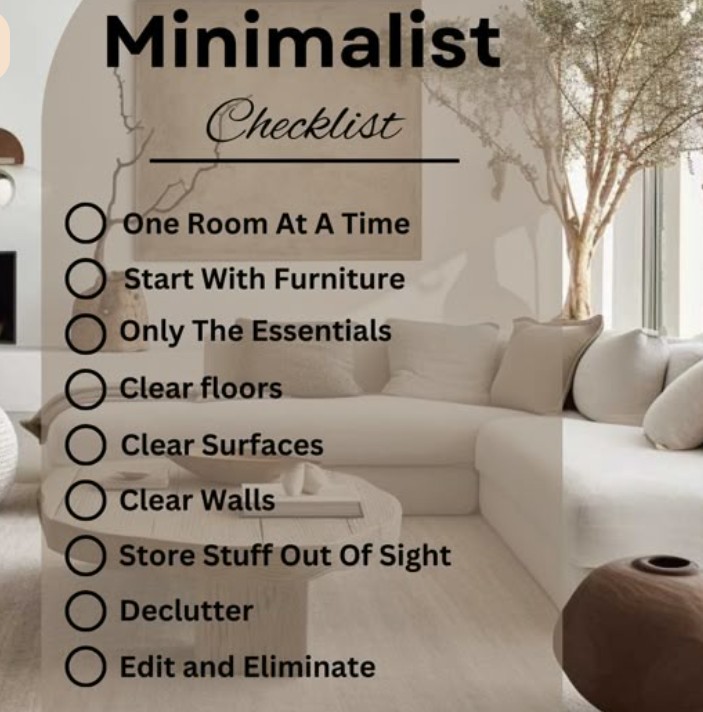
Diving into minimalism might seem like a big leap, maybe more so if you’re surrounded by stuff. But here’s the thing – minimalism is about finding freedom and clarity in less, not about ditching all your beloved things overnight. It’s a mindset that celebrates intentional living, helping you focus on what truly matters.
Beginning your minimalist journey can feel daunting, but starting with small, manageable steps can make the transition smoother. Begin by identifying areas in your life that hold unnecessary clutter. It could be your closet screaming for some TLC or a kitchen rocked by gadgets you’ve touched twice. Start decluttering one category at a time. Cherish what brings you joy or serves a purpose, and part ways with the rest. It’s not just physical stuff – think digital clutter, emotional baggage, and overbooked schedules, too.
Minimalism doesn’t have to be a strict rulebook you follow to a T. It’s about adopting practices that enhance your life. Test out different strategies like the KonMari method (yes, thank you, Marie Kondo!), or try a capsule wardrobe. The idea is to find what resonates with you and stick with it, making a meaningful impact on your daily grind. Get inventive!
Here’s a tip: don’t get carried away by myths that minimalism means you need an empty room with five things in it. It’s about editing your life to make room for more adventure, creativity, and passion. Plus, don’t sweat the mistakes every newbie might slip into. Common missteps like getting rid of too much too fast can lead to regrets. Take your time to adapt and adjust.
Seeing minimalism as a tool can help you gain more balance, reduce stress, and improve mental clarity, making it easier to connect with the things and people you love. So give it a whirl! Your simpler, happier, and more fulfilled life may just be a clean shelf away. Happy simplifying!
Mastering the Minimalist Mindset: The 5-7 Rule
Ever heard of the 5-7 rule in minimalism? It’s a game-changer for keeping your space streamlined and your mind free. The idea is pretty simple: limit personal items or categories to a maximum of five to seven at any given time. Think of it as curating your life like a gallery where each piece has its own place and purpose.
This guideline is more than just about counting things. It pushes you to evaluate what’s truly necessary. It might make you think twice about keeping that tenth pair of sneakers or the stack of unread magazines looming in the corner. The key is to personalize what fits within your lifestyle without compromising comfort or style.
Practicality is the heart of the 5-7 rule. In your closet, it might mean choosing versatile pieces that work together, making your outfits effortlessly chic without a morning battle. In the kitchen, it could translate to maintaining only essential gadgets, focusing on quality over quantity, which is especially useful if counter space is at a premium.
Now, mastering this mindset doesn’t require you to become a monk with limited possessions. It’s about balance. Maybe your vinyl collection or art supplies bring you joy – just be mindful of the space they occupy and their role in your daily life. The real power lies in making deliberate choices and avoiding the “buy more, use less” trap.
The beauty of the 5-7 rule is it blends necessity with personal expression. You’re encouraged to keep the things you love but with a keen eye on functionality and joy. It’ll lead you towards a more thoughtful way of living, inviting peace and simplicity into every corner of your life.
Minimalism and the Mind: Is It Beneficial for ADHD?
For those grappling with ADHD, minimalism might just be a breath of fresh air. The clutter-free approach could ease overwhelming feelings and help tune out distractions, offering a straightforward solution to boost focus.
A cluttered environment often mirrors a cluttered mind, especially for individuals with ADHD. Simplifying spaces can help create a calming atmosphere where concentration comes easier. By reducing items that compete for attention, it’s possible to lower anxiety levels and make decision-making less of a chore.
Building a minimalist-friendly space tailored for ADHD needs isn’t rocket science. Think clean and serene – fewer knick-knacks, more open space. Even incorporating calming colors and smart storage solutions can make a big difference.
For someone with ADHD, sustainability also plays a role in how minimalism is practiced. Establish clear zones and routines, making sure everything has a home. This organization cuts down time wasted looking for things and lowers frustration, allowing more energy for fulfilling activities.
First-hand accounts share how minimalism makes room for creativity and enhances productivity. Some find that once they’re freed from the chaos, they can focus better on what truly counts, whether it’s a project at work or an evening hobby.
The journey toward embracing minimalism while managing ADHD is unique for everyone. The trick is to experiment with what brings harmony and ease to your life. It’s about creating an environment that supports you, not boxes you in. Embrace it, tweak it, and let it work wonders for your mind!