
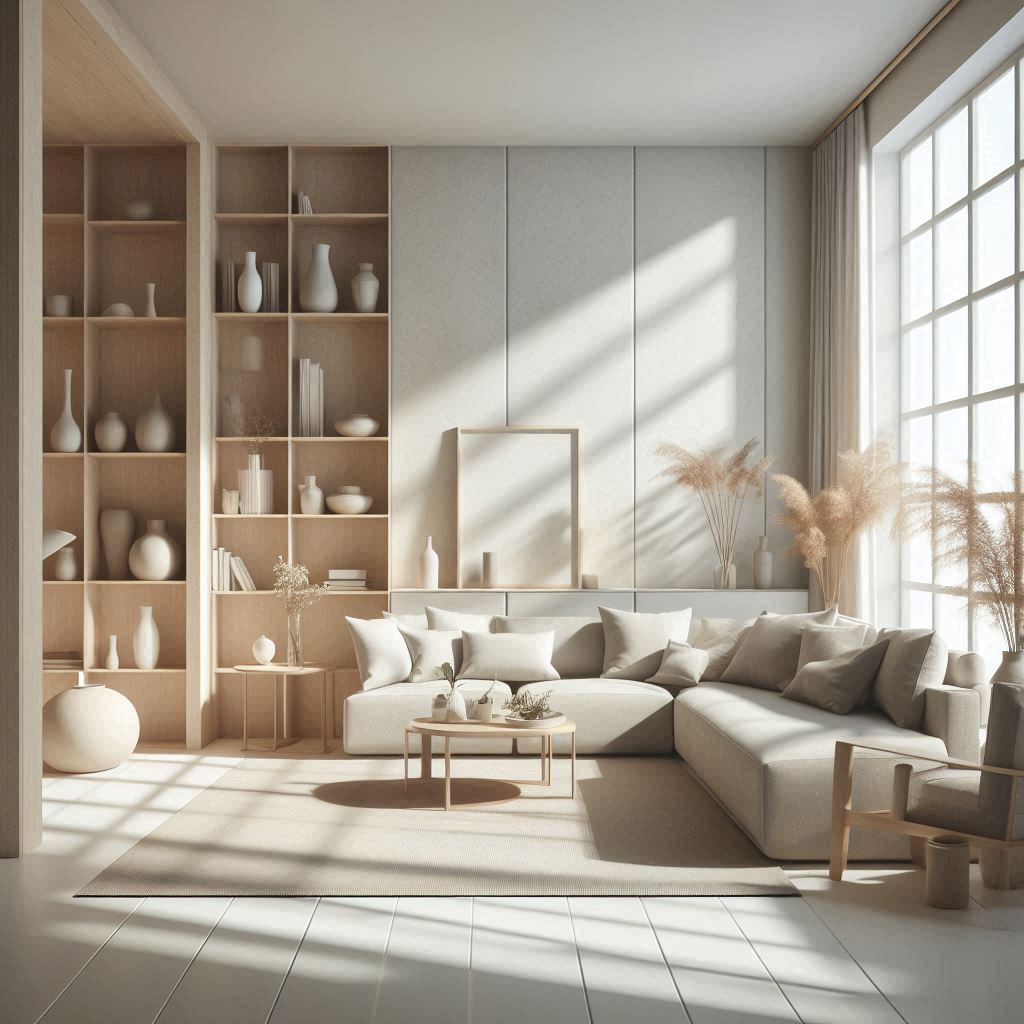
Minimalist living is all about cutting down on life’s clutter, both physical and mental, to focus on what truly matters. At its core, it’s about intentionality, choosing quality over quantity, and leading a more fulfilling life with less stuff. This lifestyle can significantly change your perspective on things you actually need versus things you thought you needed.
Now, there are quite a few misconceptions floating around about minimalism. Some folks think that it means living in an empty room with a single chair and no personal belongings. But that’s not really the case. Minimalism isn’t about deprivation; it’s about making room for more of what you love. It’s about valuing experiences over possessions and finding joy in simplicity.
Living minimally often calls for a philosophical shift. Imagine letting go of the relentless consumerist drive and redefining success not by possessions but by experiences and relationships. Minimalism invites us to prioritize what contributes to our happiness and well-being, stripping away distractions that cloud our focus.
While it sounds pretty zen, transitioning to this lifestyle does take some courage and discipline. It’s like a detox for your physical spaces and your mental landscape. But once you get the hang of it, you might find it incredibly liberating and empowering. It’s a journey, not just a single step, continuously evolving with each deliberate choice you make.
The Myriad Benefits of Minimalist Living
Ditching the excess stuff brings some sweet mental health perks. Think less stress, more peace. By keeping our surroundings calm and clutter-free, it’s like clearing out mental space too. When you have fewer things to worry about, your mind gets some room to breathe.
There’s a nice financial upside to living with less. With minimalism, it’s all about being smart with what you spend your money on. You’re less tempted to buy on impulse and more focused on saving for what really matters, like that dream vacation or building up a solid rainy day fund.
Physical health and minimalism go hand in hand. Keeping your home clean and organized with fewer things is not just a time-saver, it also cuts down on physical stress. Plus, it’s a lot harder to ignore that dusty corner when there’s no clutter hiding it.
More room equals more productivity and focus. With a minimalist setup, you spend less time hunting for things and more time getting stuff done. Your workspace becomes a streamlined zone of productivity rather than a chaos of distractions.
With all these benefits, there’s something to be said about the sense of freedom minimalism brings. It’s about having more energy to invest in passions, hobbies, and relationships that truly matter. It’s about living more intentionally and finding joy in experiences rather than things.
Minimalist Techniques: The 30/30 Rule and the 5-7 Rule
Here’s the lowdown on the 30/30 rule that minimalists swear by. It’s pretty straightforward: if you haven’t used an item in 30 days, and you don’t plan on using it in the next 30 days, it’s time to let it go. This technique is a great way to clear out things that aren’t serving a purpose in your life, keeping only what’s genuinely useful or brings joy.
The 5-7 rule is another handy tool to keep your wardrobe under control. The idea is to have only 5 to 7 pieces of clothing in each category (like tops, bottoms, etc.). It’s about embracing versatility and finding joy in a simpler wardrobe. This rule helps prevent decision fatigue because fewer choices mean less stress.
These rules aren’t hard and fast but act as guiding principles to kickstart your minimalist journey. Adhering to them can make the process less overwhelming and more structured, especially when you’re starting out. It’s about finding what works best for you and making sure your environment supports your life, not the other way around.
Now, when it comes to practicality, both rules serve as useful frameworks for people who feel knee-deep in clutter. They’re adaptable to various lifestyles and needs, so feel free to tweak them as you go. The main goal is to be conscious of what you own and make room for what’s truly important.
Embracing these minimalist techniques can act as an eye-opener for just how much stuff we hold onto unnecessarily. They help shine a light on personal habits and can bring about lasting changes in how we view and interact with our belongings.
Happiness in Minimalism: Myth or Reality?
Are minimalists actually happier? This question often pops up when discussing the benefits of a pared-down lifestyle. Happiness, of course, is subjective, but study after study suggests that minimalists often report higher levels of satisfaction and contentment. With fewer distractions, there’s more opportunity to focus on relationships and experiences that tilt the happiness scale in the right direction.
Anecdotes from minimalists paint a picture of increased joy, noting how less clutter leads to a more peaceful life. When you’re not bogged down by stuff, you tend to have more time and energy to nurture meaningful relationships. Many say this has a direct positive impact on their happiness levels.
Now, it’s not all sunshine and roses—minimalism does come with challenges. It can sometimes feel like a balancing act, especially initially when letting go of items with emotional attachments. And, let’s be real, the social pressure to own things can be a bit of a hurdle too.
Exploring the psychological side of minimalism uncovers even more about its relation to happiness. Minimalism promotes mindfulness, where each item is a choice and not just a default. This awareness can lead to a more intentional lifestyle, reducing stress and boosting overall well-being.
Ultimately, whether minimalists are happier depends on individual values and priorities. For some, it’s transformative; for others, it might be more about moderation than strict minimalism. It’s about finding a personal balance where less feels like more.