
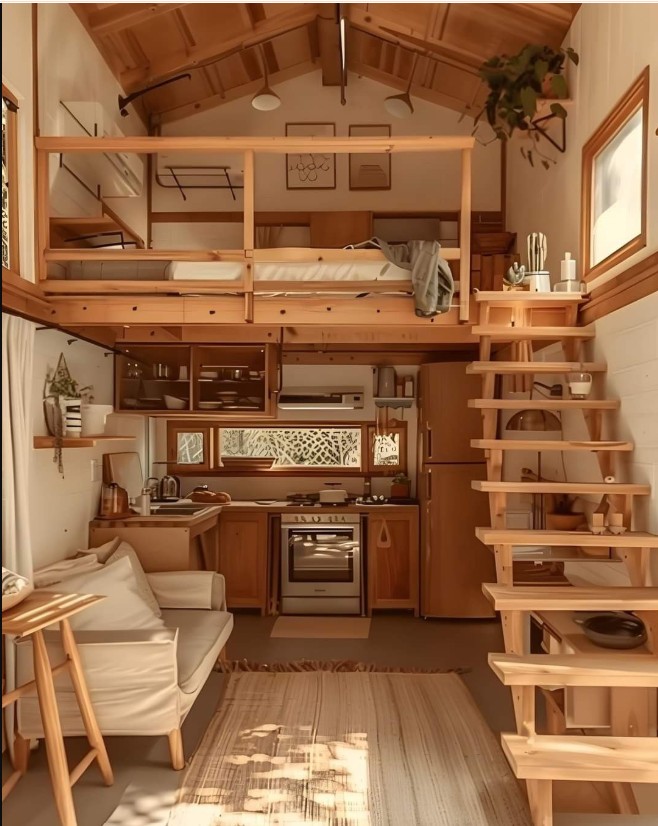
The right layout can make a 200-square-foot tiny home feel surprisingly spacious — or painfully cramped. In 2026, smart tiny home layouts are all about flexibility, storage integration, and multi-functional design. When every square foot matters, the way you arrange walls, furniture, and built-ins can completely transform how your home functions day to day.
Tiny homes typically range from 100 to 400 square feet, and within that compact footprint, thoughtful planning becomes essential. A well-designed layout can create defined living zones, maximize natural light, and make even the smallest space feel intentional instead of restrictive.
Whether you’re building from scratch or refining an existing design, understanding how to structure your floor plan is the key to comfortable tiny living. From open-concept designs to loft-based sleeping areas and family-friendly configurations, the best layouts balance efficiency with personality.
Most Popular Tiny Home Layout Types in 2026
Tiny home layouts aren’t one-size-fits-all. The best design depends on how you live, how many people share the space, and whether your priority is openness, privacy, or maximum storage. Here are the most common and effective layout styles in 2026:
Open-Concept Layouts
Open-concept layouts remove interior walls between the kitchen, living area, and dining space. This approach allows natural light to travel freely and makes the space feel larger than it actually is. In homes under 300 square feet, eliminating visual barriers can dramatically improve flow and comfort.
Open layouts work especially well for individuals or couples who don’t need separate private rooms. However, storage must be carefully integrated through built-ins and vertical shelving to avoid clutter.
Compartmentalized Layouts
Compartmentalized layouts use partial walls, sliding doors, or pocket doors to create defined zones. This style provides more privacy and can help reduce noise transfer between spaces.
Families and remote workers often prefer this setup because it allows separation between sleeping, cooking, and working areas. While it may make the space feel slightly smaller, smart window placement and light finishes can prevent it from feeling cramped.
Loft-Based Layouts
Loft sleeping areas are one of the most common tiny home solutions. Elevating the bed frees up valuable main-floor space for living or storage.
Lofts work best for people comfortable with ladders or compact staircases. For accessibility or long-term living, careful ceiling height planning is essential to prevent the loft from feeling claustrophobic.
Main-Floor Bedroom Layouts
For those who prefer avoiding ladders, main-floor bedroom layouts eliminate the loft entirely. This design improves accessibility and works well for aging homeowners or families with children.
The trade-off is reduced living space, so storage and multifunction furniture become even more important.
Family-Friendly Layouts
Tiny homes designed for families often incorporate bunk beds, partitioned sleeping areas, and creative storage under stairs or seating. Layouts may include sliding panels to create temporary privacy.
In 2026, more families are choosing hybrid layouts that combine open communal areas with small enclosed sleeping zones.
Tiny Home Layout Ideas by Square Footage
Not all tiny homes are built the same size. The layout approach that works for 150 square feet may not make sense for 350 square feet. Here’s how layout strategies shift based on square footage:
100–200 Square Feet
At this size, simplicity is everything. Most layouts rely on loft sleeping areas, compact kitchens with two-burner cooktops, and combined living/dining zones. Built-in storage and wall-mounted solutions are essential to avoid overcrowding.
Open-concept designs typically perform best in this range because dividing walls can make the space feel restrictive.
200–300 Square Feet
This mid-range size allows for more flexibility. You may be able to incorporate a small main-floor bedroom or a larger bathroom. L-shaped kitchens and dedicated seating areas become more realistic.
Many homeowners in this range experiment with hybrid layouts — open communal spaces with partial dividers for sleeping areas.
300–400 Square Feet
At the upper end of tiny living, layouts can begin to resemble small apartments. Separate bedrooms, full kitchens, and even small office nooks become possible.
Storage integration remains important, but the extra square footage provides breathing room for more defined zones.
Designing for Comfort: Multi-functional and Efficient Layouts
Crafting a tiny home that’s cozy and functional is all about making smart choices. The compact nature of these homes requires layouts that do double or even triple duty. Think walls that hold your stuff and dining tables that morph into workspaces—simple transformations that make a place feel much bigger than the tape measure suggests.
Open floor plans play a massive role in this dance of space. They let light bounce around, creating the illusion of a larger area and offering enough wiggle room to breathe—or, at least, stretch. You won’t believe how freeing it feels to have an open layout until you’re actually living in one. Trust me, it’s a game-changer.
But when you’re squeezing life into a few hundred square feet, built-ins can’t be overlooked. Shelves, hidden drawers, nifty nooks—every bit helps to cut down on clutter without sacrificing style. Multi-purpose furniture is also a savior here. Whether it’s a sofa that folds into a bed or a bench with storage underneath, these pieces bring flexibility and functionality into your tiny domain like nothing else can.
Vertical storage solutions are a huge deal, too. Use those walls! Think floor-to-ceiling shelves, hanging racks, or even ladders that lead up to your cozy little loft. It’s all about using every inch wisely and inventively, making sure each corner of your home carries its weight without feeling cramped.
From Layout Ideas to Floor Plans
Understanding layout concepts is one thing — seeing them mapped out visually is another. Floor plans translate layout ideas into real-world proportions, showing exactly how kitchens, bathrooms, lofts, and living areas fit together within limited square footage.
When reviewing floor plans, pay attention to:
-
Traffic flow between kitchen and living areas
-
Ceiling height in loft spaces
-
Window placement for natural light
-
Bathroom placement relative to plumbing walls
-
Staircase or ladder positioning
For detailed visual examples and inspiration, explore our collection of innovative tiny home floor plans that demonstrate how these layout ideas come to life.
Key Areas in a Tiny Home: Kitchens, Bathrooms, and Sleeping Quarters
Kitchens in tiny homes require some clever engineering. It’s all about embracing compact appliances and thinking lean with your design. Opt for sliding cabinets, pull-out pantries, and maybe even a folding countertop for that extra prep space. Decluttering is crucial—every item here needs to earn its keep. No room for unused gadgets just hanging around.
The bathroom might be small, but it packs a punch when designed right. Tiny homes often go for space-efficient plumbing solutions like tankless water heaters or composting toilets. You’ll be looking for small yet mighty fixtures that save room without skimping on style. Consider pocket doors—they’re sleek and mercifully save space over swinging ones.
Sleeping areas demand the most creativity. Loft beds are popular, as they free up floor space below for storage or even a little lounge area. If heights aren’t your thing, multi-purpose furniture like a mattress that folds into a couch or a bed with built-in drawers offers other options. Every square foot here is prime real estate, so plan thoughtfully.
Don’t overlook those little nooks that might seem unusable at first glance. Under-stair cabinets, wall niches, or even crawl spaces all hold potential. Getting creative with these can lead to surprising discoveries of extra storage or utility that enhances the livability of your home.
Planning and Visualization: From Idea to Reality
Planning a tiny home layout is like crafting a personalized retreat—where every square inch is planned to fit just right. Before jumping in with both feet, it’s crucial to employ 2D or 3D visualization tools. This step helps nail down what ideas actually work, ensuring your dream space doesn’t hit a snag later on.
Visualizing layouts brings truckloads of benefits. You’ll catch any odd designs or misplaced elements that may not seem like a big deal on paper but could be major head-scratchers in reality. Fixing these before any construction begins saves bucks and headaches. It’s like test-driving a car before you buy.
Really good designs go beyond just fitting furniture. They mold spaces that feel right for the way you live, and they make smart use of your routine. Picture walking through the space—are you bumping your shins, or do you glide with ease? Not only does a well-thought plan save space, but it also brings comfort.
But wait, before you start hammering and sawing away, there’s a practical side to tackle: zoning laws. Check local ordinances and building codes to make sure your tiny dream doesn’t turn into a legal headache. Some places have specific regulations that could influence your design or even its location.
Smart Layout Optimization Tips for Tiny Homes
Even the best layout ideas can fall short without thoughtful optimization. Small adjustments in placement, lighting, and storage can dramatically improve how a tiny home feels day to day.
Prioritize Traffic Flow
Ensure pathways between the kitchen, bathroom, and sleeping areas feel natural. Avoid tight turns or furniture placement that blocks movement. A smooth walking path makes even small homes feel intentional.
Design Around Natural Light
Position windows to brighten communal areas and visually expand the space. Natural light reduces the boxed-in feeling that can occur in compartmentalized layouts.
Integrate Storage Early
Storage should be planned into the layout, not added afterward. Under-stair drawers, recessed shelving, and built-in seating prevent clutter while preserving floor space.
Choose Multi-Functional Furniture
Convertible sofas, folding dining tables, and modular seating allow a single area to serve multiple purposes throughout the day.
Use Vertical Space Strategically
Tall shelving, hanging racks, and loft-access stairs with built-in storage can significantly increase usable space without expanding the footprint.
Making sure all these pieces—design, legalities, lifestyle—fit together perfectly is the heart of successful tiny home living. Planning isn’t just about laying out furniture, it’s about shaping a whole new way of life.
Frequently Asked Questions About Tiny Home Layout Ideas
What is the most efficient tiny home layout?
Open-concept layouts with loft sleeping areas are often the most space-efficient for homes under 300 square feet. However, the best layout depends on your need for privacy, storage, and daily routines.
Are open floor plans better for tiny homes?
Open layouts typically make small spaces feel larger by removing visual barriers. However, compartmentalized layouts may work better for families or remote workers who need separate zones.
How do you maximize storage in a tiny home layout?
Integrated storage solutions such as under-stair drawers, built-in shelving, wall niches, and dual-purpose furniture allow you to increase capacity without increasing footprint.
Can a tiny home layout work for a family?
Yes. Family-friendly layouts often include bunk beds, sliding partitions, and creative vertical storage to balance shared and private space.