Building ecofriendly tiny homes stirs up a lively debate for anyone wanting to live smaller. Should you go with an open concept layout or pick a compartmentalized design? I’ve spent a lot of time checking out tiny home trends and practical floor plans. I’ve noticed real benefits and drawbacks to both options, especially when creating a space that’s not just green but also feels comfortable and smart for everyday living.
Comparing Open Concept and Compartmentalized Layouts
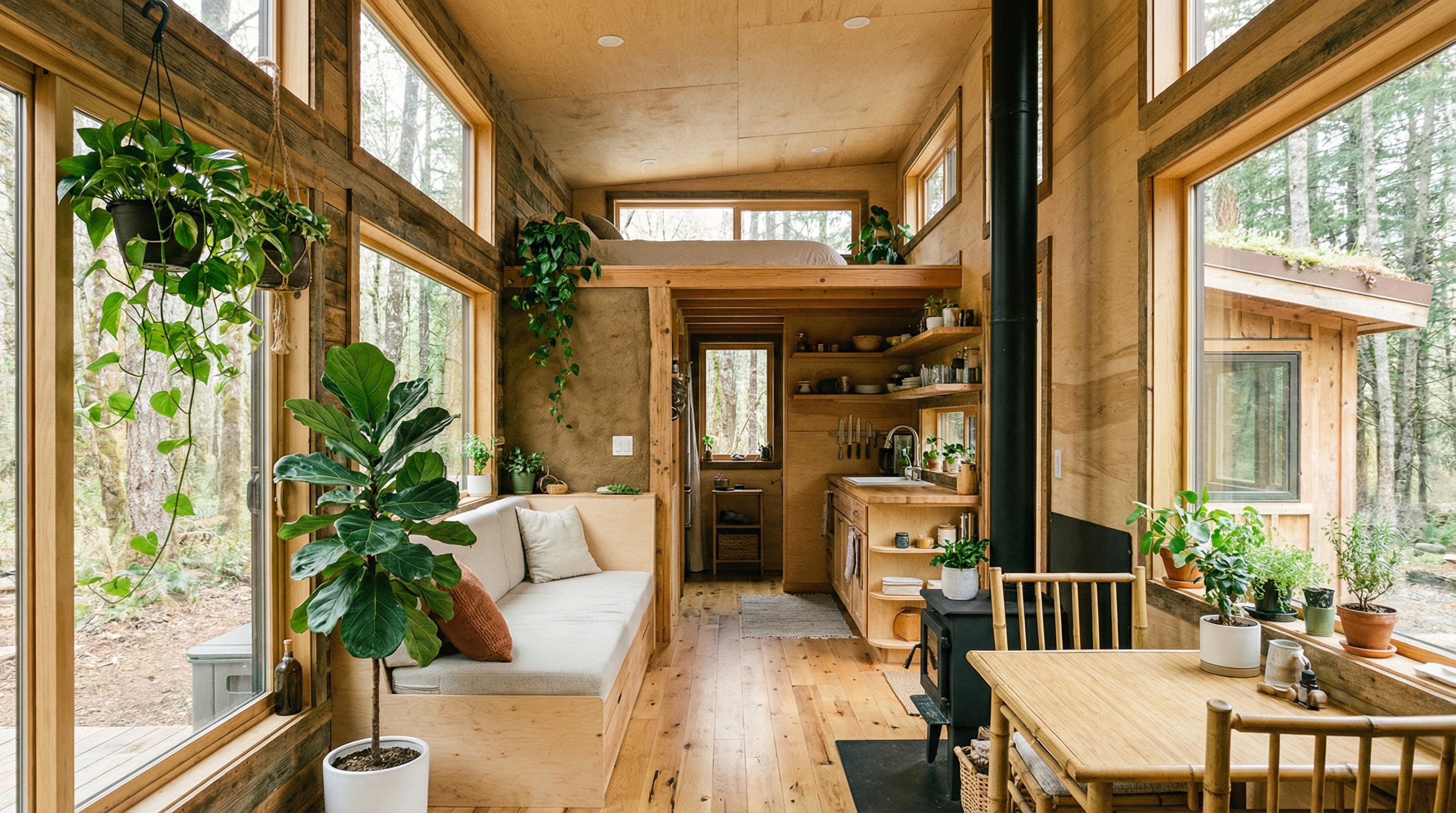
Open concept tiny homes keep a minimal number of interior walls, which means the kitchen, living area, and sometimes even the bed all flow together in one big space. This design opens up the main area; it can make a home feel bright, airy, and a lot bigger than its square footage would suggest. Compartmentalized tiny homes, however, use partial or full walls (or clever dividers) to carve out specific rooms for things like sleeping, cooking, and relaxing. These separate zones bring extra privacy and reduce clutter by giving each area a clear use.
How Layout Impacts Sustainability
Ecofriendly builders care about more than looks; the home’s layout can actually change how easy it is to heat, cool, and make the most of eco tech. Open concept designs keep airflow moving evenly, making it easy for a simple, energy efficient system to heat or cool the whole place. Natural sunlight reaches everywhere, helping reduce the need for electric lights and boosting cross ventilation. This combo often cuts down on how often you’ll flip on the HVAC or other electrical appliances.
Compartmentalized layouts, on the other hand, let you use taskspecific lighting and close off unused sections. You might use less energy by only conditioning spaces you actually need at any moment. Some homeowners use insulated curtains or sliding panels — these both help keep warmth exactly where it’s needed and give a boost to passive heating methods. This tricks gets the most out of every watt used.
Everyday Living: Privacy, Noise, and Storage
Privacy is a big deal, especially if you’re sharing a tiny home. In my experience, open concept layouts keep everyone together, which definitely feels social and friendly, but there’s not much in the way of sound buffering. Cooking smells or noise from a movie night reach every corner. Compartmentalized designs let you shut doors or pull screens, so you can nap or get work done in peace when you need some time alone.
Storage often nudges the decision, too. Open plans have fewer walls for shelves or hanging storage, though you can use built in benches or lofts to help. On the flip side, compartmentalized homes can pack in cubbies under stairs, nooks above doors, or even a full closet wall. For anyone who wants to stay organized, those zones are hugely helpful. If you’re living with hobbies, pets, or kids, extra storage options are worth their weight in gold.
Layout Ideas for Low Impact Tiny Home Living
- Open Concept With Eco Upgrades: Pick multifunction furniture and larger windows that maximize natural light. Choose energy efficient fixtures, and use a lofted bed to save main floor space for living and storage.
- Flexible Compartments: Use sliding pocket doors, curtain dividers, or even movable panels; they give privacy whenever you need it. Add solar powered fans in each section for better temperature control and comfort during hot months.
- Hybrid Designs: Some floor plans offer a mix — you’ll get airy, open lounging and kitchen space along with a private nook or an enclosed bedroom. This way, you keep that spacious feeling but still enjoy a quiet retreat every so often.
Picking the right layout comes down to personal routines, household needs, and your own eco goals. Open concept homes are a good fit for individuals or couples who don’t mind sharing every zone, while compartmentalized setups are excellent for roommates, families, or anyone who likes their alone time or wants to keep noise in check.
Getting Started on Your Green Tiny Home Project
Whenever I help friends or clients start thinking about their own ecofriendly tiny house, I always suggest making a list of what matters most: energy use, privacy, favorite routines, and budget. Sketch out floor plans, and if possible, check out some real world tiny homes. You’ll spot smart tricks and design details you may never have thought of. Online tools and 3D models make it easy to experiment with layouts before you start building.
There’s no universal answer, but choosing a floor plan based on your lifestyle and sustainability priorities sets your tiny home up for real comfort, lower monthly costs, and a seriously smaller carbon footprint.
Share Your Experience or Ask Questions
Your plans, questions, or stories about tiny home layouts help out anyone considering making the switch. Drop a comment if you’re weighing open versus compartmentalized designs, or if you have handy tips for living green in a small space. Sharing real life experiences keeps the conversation rolling and may help someone else take the leap into tiny home living!