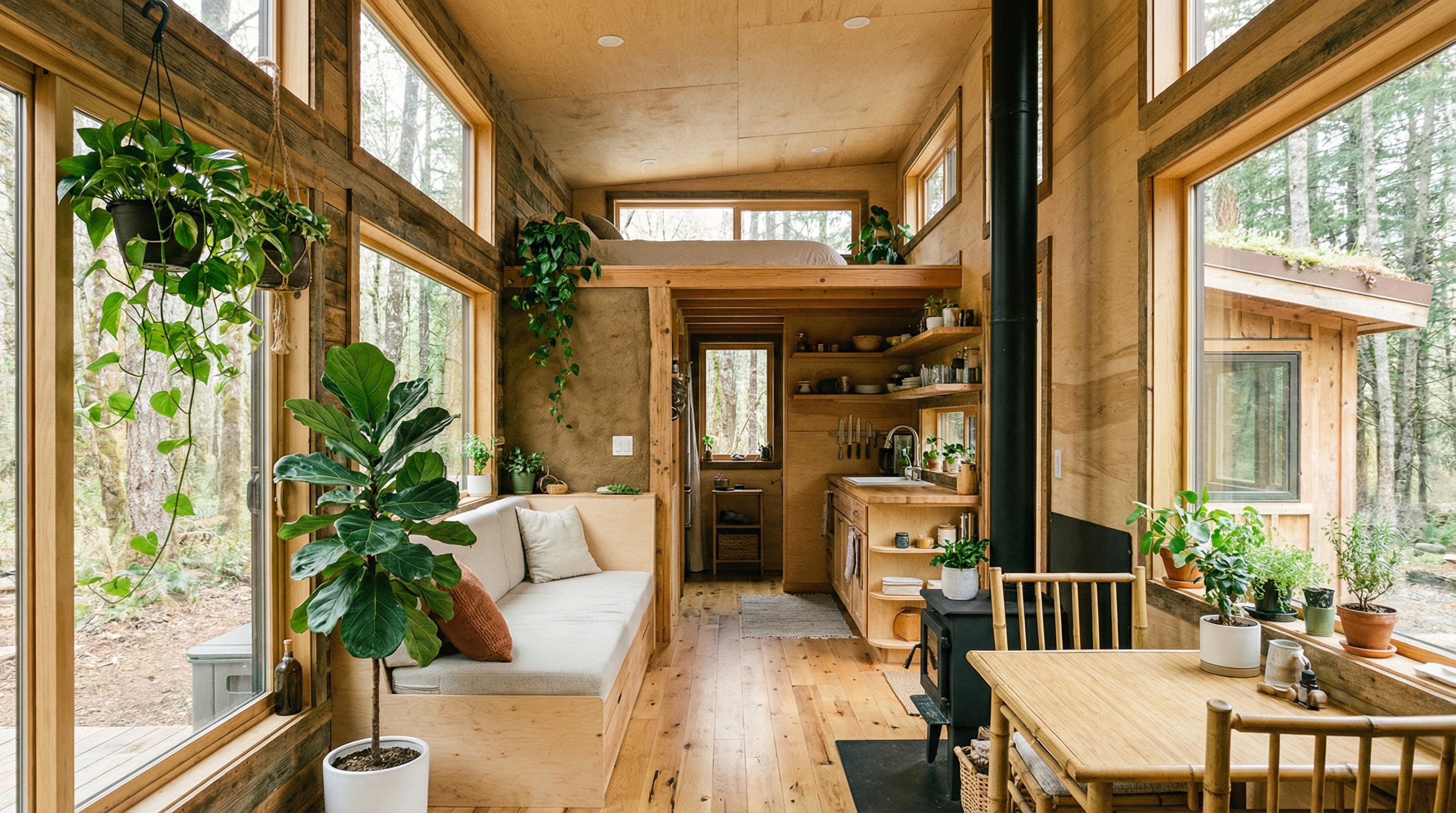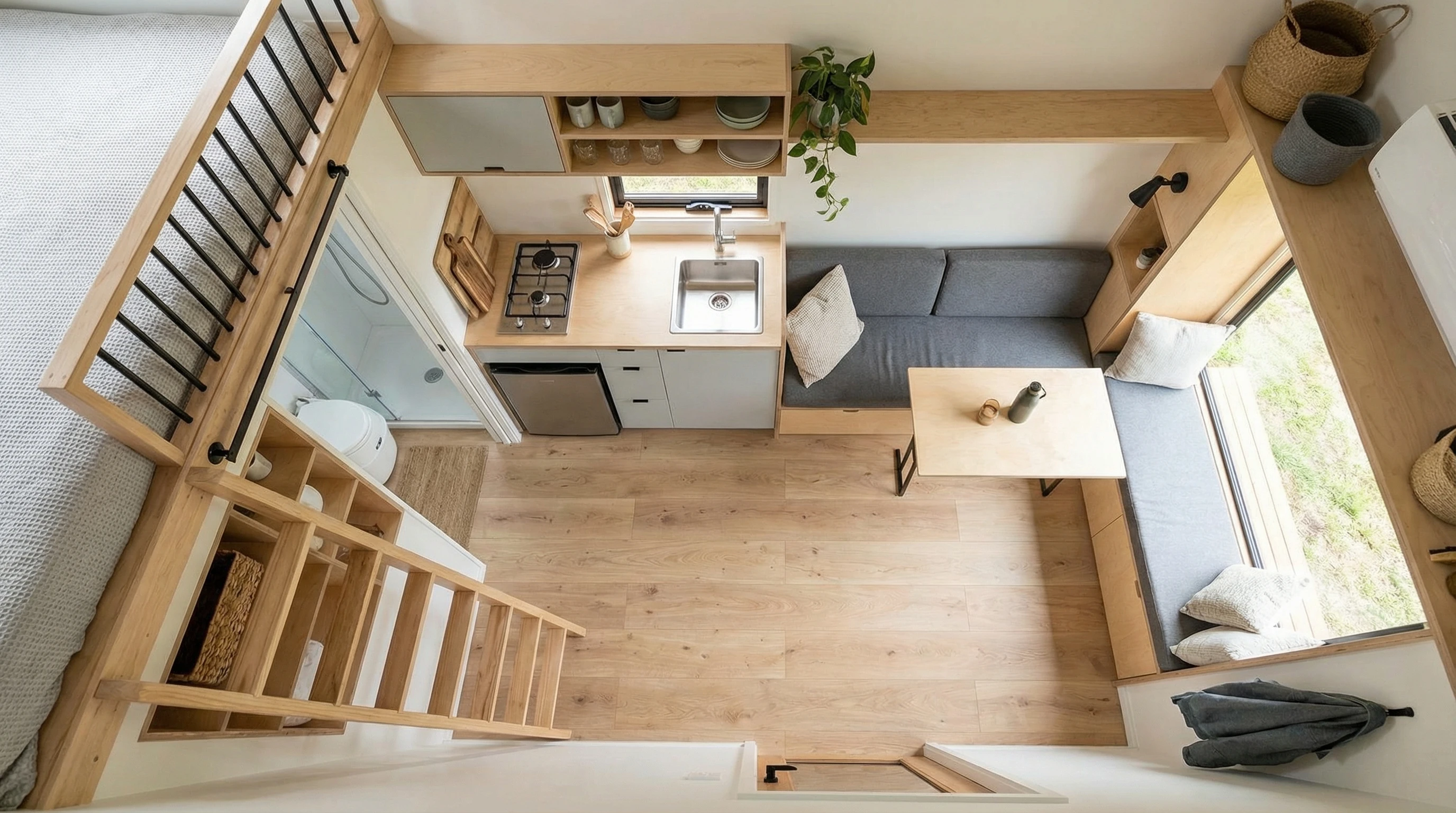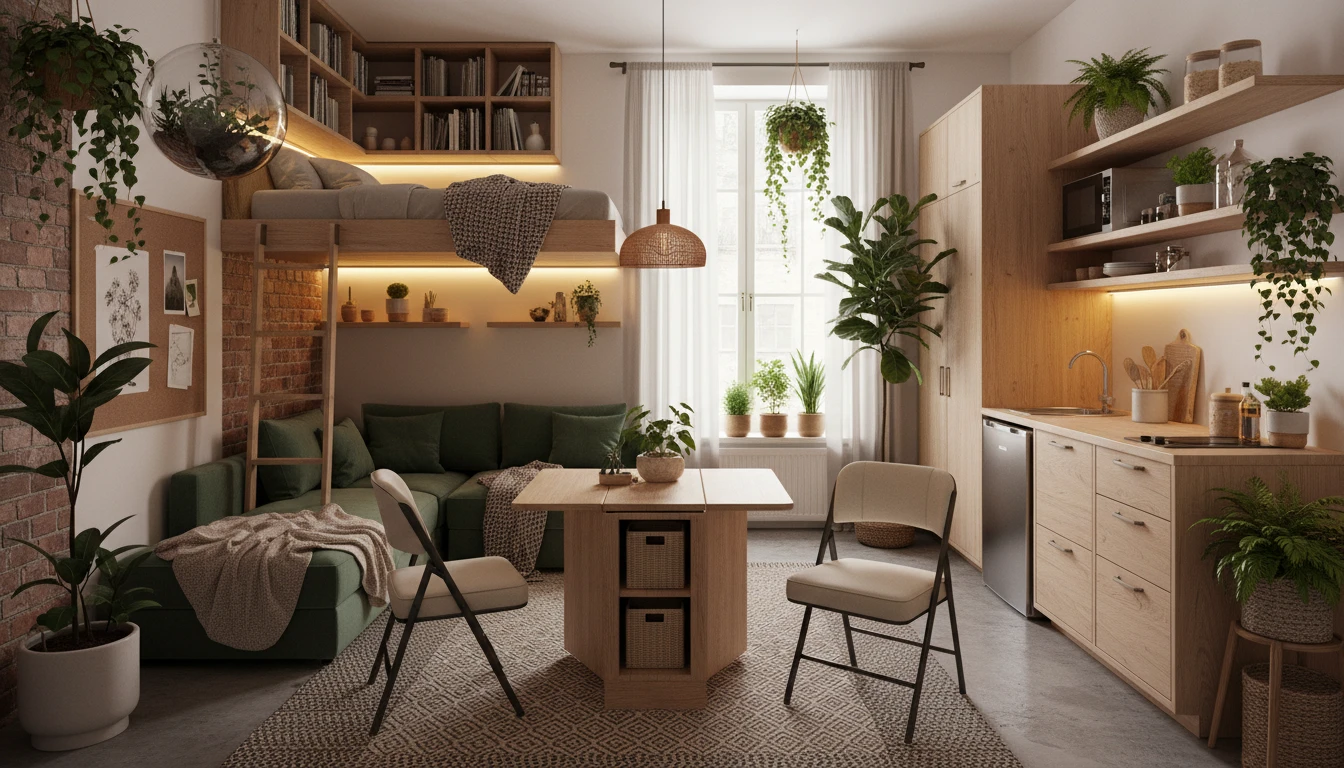
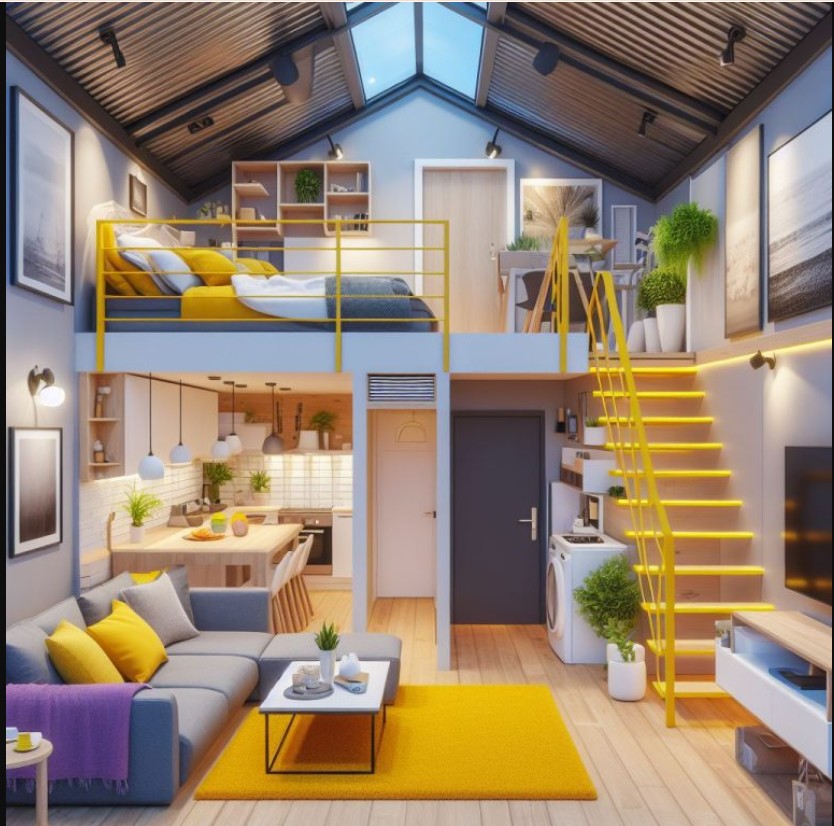
Living in a tiny home can be a game-changer when it comes to space management. Let’s talk furniture. Multi-functional furniture is worth its weight in gold. Think beds that double as storage units or sofas that unfold into beds. These nifty pieces mean you make the most of every square inch.
Ever considered using that vertical space? Shelves that go floor to ceiling are a blessing. They not only lift items off the floor but also draw the eye upward, making your space feel bigger. You can also use wall-mounted hooks and racks for everyday items, freeing up counter and floor space.
Foldable and convertible elements can transform your living space in seconds. Imagine a dining table that folds into the wall when not needed or a work desk that disappears after hours. These space-savers ensure you’re not sacrificing living space for functionality.
Color can do magic. Light, soft hues open up rooms, while darker shades might shrink them a bit. Mirrors work wonders too, reflecting light and giving the illusion of a larger area. With the right palette, your tiny home can feel airy and comfortable.
Avoiding Common Mistakes in Tiny Home Design
One pitfall in tiny home design is lighting, or should I say, lack of it. Without the right lighting, even the most spacious of tiny homes can feel cramped and uninviting. Natural light is your best friend. Large windows or skylights can flood your space with sunlight, making it feel larger and more welcoming.
Balancing aesthetics with functionality is a tightrope walk. Sure, that vintage trunk looks cute, but does it serve a purpose? Furniture and decorations should pull double duty, offering utility alongside style. It’s all about making smart choices that reflect personal style without compromising on space.
Clutter is the enemy, and it can happen fast in a small space. Custom storage solutions can make a big difference here. From built-in shelving to hidden under-seat compartments, personalized storage options help keep belongings organized and out of sight.
The mental impact of living in a cramped space shouldn’t be underestimated. Overstuffed homes can lead to stress and anxiety. Prioritizing an open, airy vibe with thoughtful layouts and minimal clutter makes for a more peaceful living environment.
Optimizing Small Spaces: Proven Strategies and Solutions
When it comes to optimizing compact living areas, modular units can be a real lifesaver. These units allow for flexible arrangements to suit your needs of the moment, whether it’s extra seating for guests or a workspace for those day-to-day tasks. You can reconfigure your setup without breaking a sweat.
Adopting a minimalist lifestyle can go a long way. It’s not just about reducing possessions but about keeping only the essentials that add value to your life. With fewer items around, the space feels larger and more breathable, leading to a more enjoyable living experience.
Mirrors aren’t just for vanity—they’re strategic space enhancers, too. By placing them opposite windows or near light sources, they reflect light around the room, crafting an illusion of openness that can make even a tiny room feel expansive.
Creative layouts do wonders. Open plans can be tricky when space is tight, but smart arrangements can conquer layout problems. Think of seating that divides a living area and a workspace without hefty partitions. It’s about creating zones in a way that works for you without crowding.
Clever Tiny Home Design Hacks and Innovations
Embracing mobility is key in tiny home living. Incorporating hidden wheels and sliding mechanisms in furniture pieces or partitions can make daily life a breeze. This kind of flexibility allows for easy reconfiguration and can adapt the space to a variety of functions.
Kitchens in tiny homes need a little magic touch when it comes to storage. Think about incorporating pull-out pantry shelves and magnetic wall strips for utensils. These hacks maintain organization and accessibility without eating up valuable counter space.
Clothes management can also get tricky in cramped quarters. Rotating seasonal wardrobes can help—store off-season clothes in vacuum bags. Use every nook, like the backs of doors or under-bed drawers, to tuck away garments without intruding on living areas.
Spatial zoning doesn’t have to mean walls. Simple tweaks, like varying flooring textures or employing strategic lighting, can define separate areas within an open plan. This is a smart way to maintain a sense of order while keeping everything open and airy.