
Tiny Home Space Optimization Tips

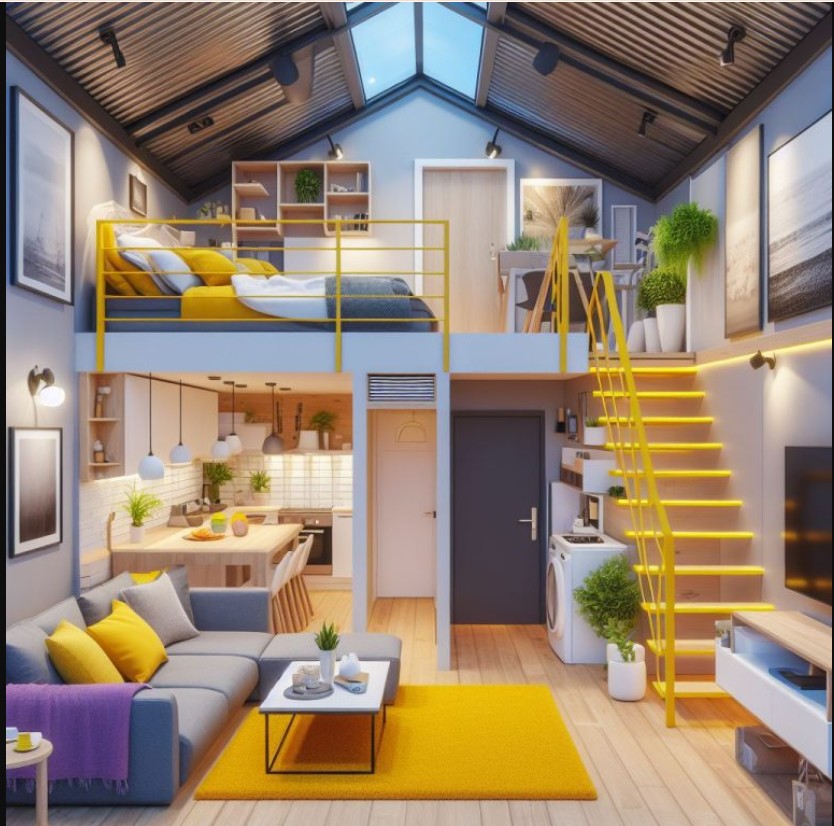
Living in a tiny home can be a game-changer when it comes to space management. Let’s talk furniture. Multi-functional furniture is worth its weight in gold. Think beds that double as storage units or sofas that unfold into beds. These nifty pieces mean you make the most of every square inch.

Ever considered using that vertical space? Shelves that go floor to ceiling are a blessing. They not only lift items off the floor but also draw the eye upward, making your space feel bigger. You can also use wall-mounted hooks and racks for everyday items, freeing up counter and floor space.

Foldable and convertible elements can transform your living space in seconds. Imagine a dining table that folds into the wall when not needed or a work desk that disappears after hours. These space-savers ensure you’re not sacrificing living space for functionality.

Color can do magic. Light, soft hues open up rooms, while darker shades might shrink them a bit. Mirrors work wonders too, reflecting light and giving the illusion of a larger area. With the right palette, your tiny home can feel airy and comfortable.

Avoiding Common Mistakes in Tiny Home Design

One pitfall in tiny home design is lighting, or should I say, lack of it. Without the right lighting, even the most spacious of tiny homes can feel cramped and uninviting. Natural light is your best friend. Large windows or skylights can flood your space with sunlight, making it feel larger and more welcoming.

Balancing aesthetics with functionality is a tightrope walk. Sure, that vintage trunk looks cute, but does it serve a purpose? Furniture and decorations should pull double duty, offering utility alongside style. It’s all about making smart choices that reflect personal style without compromising on space.

Clutter is the enemy, and it can happen fast in a small space. Custom storage solutions can make a big difference here. From built-in shelving to hidden under-seat compartments, personalized storage options help keep belongings organized and out of sight.

The mental impact of living in a cramped space shouldn’t be underestimated. Overstuffed homes can lead to stress and anxiety. Prioritizing an open, airy vibe with thoughtful layouts and minimal clutter makes for a more peaceful living environment.

Optimizing Small Spaces: Proven Strategies and Solutions

When it comes to optimizing compact living areas, modular units can be a real lifesaver. These units allow for flexible arrangements to suit your needs of the moment, whether it’s extra seating for guests or a workspace for those day-to-day tasks. You can reconfigure your setup without breaking a sweat.

Adopting a minimalist lifestyle can go a long way. It’s not just about reducing possessions but about keeping only the essentials that add value to your life. With fewer items around, the space feels larger and more breathable, leading to a more enjoyable living experience.

Mirrors aren’t just for vanity—they’re strategic space enhancers, too. By placing them opposite windows or near light sources, they reflect light around the room, crafting an illusion of openness that can make even a tiny room feel expansive.

Creative layouts do wonders. Open plans can be tricky when space is tight, but smart arrangements can conquer layout problems. Think of seating that divides a living area and a workspace without hefty partitions. It’s about creating zones in a way that works for you without crowding.

Clever Tiny Home Design Hacks and Innovations

Embracing mobility is key in tiny home living. Incorporating hidden wheels and sliding mechanisms in furniture pieces or partitions can make daily life a breeze. This kind of flexibility allows for easy reconfiguration and can adapt the space to a variety of functions.

Kitchens in tiny homes need a little magic touch when it comes to storage. Think about incorporating pull-out pantry shelves and magnetic wall strips for utensils. These hacks maintain organization and accessibility without eating up valuable counter space.

Clothes management can also get tricky in cramped quarters. Rotating seasonal wardrobes can help—store off-season clothes in vacuum bags. Use every nook, like the backs of doors or under-bed drawers, to tuck away garments without intruding on living areas.

Spatial zoning doesn’t have to mean walls. Simple tweaks, like varying flooring textures or employing strategic lighting, can define separate areas within an open plan. This is a smart way to maintain a sense of order while keeping everything open and airy.

How To Build A Tiny Home Cheap

Building your own tiny home seems like an adventure, right? But it’s not just about the thrill of DIY or the end product being exactly how you want it. Doing it yourself can also be way cheaper than buying a ready-made tiny home. Buying a pre-built one might seem like you’re saving time, but the trade-off is usually higher costs. Plus, when you build, you get to pick every nail and board, which means you control the costs.

Checking out the numbers, if you’re crafty or handy with tools, you can shave off a significant chunk of change. Let’s say you source materials from local salvage yards or check out online marketplaces for what folks are offloading. It’s amazing what cast-offs can turn into when you put your personal touch on them. Building becomes more affordable and you get a unique tiny home.

Community resources can be your best pals here. Some towns have workshops where you can learn building skills, often for free or cheap. Not to mention, you can pool resources with others in these networks to buy supplies in bulk, which can save you even more.

If you’re rolling up your sleeves, trying to decide between screws and nails and figuring out which plywood is a good choice, you’re in total control of the project’s budget. That’s a major win if you’re trying to keep costs down. Just be sure to double-check local building codes to keep your project on the right side of the law.

Navigating Regulations: Building a Tiny Home in Pennsylvania

Tackling the legal side of building a tiny home in Pennsylvania might seem daunting, but it’s totally doable. The key is knowing the rules before you even lay that first brick or hammer that first nail.

Pennsylvania has its own unique set of zoning laws and building codes that can vary from one area to another. Typically, tiny homes aren’t always welcomed with open arms under traditional home-building codes, so it’s crucial to dig into your local ordinances. Some places might categorize them as RVs or accessory dwelling units, which can dictate where you put things like your plumbing and electrical.

Before starting, it helps to chat with local zoning offices. They can provide specifics on what’s required and how tiny homes are classified in your neighborhood. Consider this your DIY reconnaissance mission.

Certain areas in Pennsylvania, like Philadelphia, are warming up to the tiny house trend. These hotspots might offer more flexibility or even specific initiatives for tiny home communities. Always worthwhile to see if your future tiny home can nestle down there.

Hearing from people who have already made it happen is incredibly helpful. Folk who have navigated this before can offer insights into permits, inspections, and those quirky little regulations you might not even think about.

Trust me, going through all this upfront can save you major headaches down the line, ensuring your cozy little spot is not just a dream but a perfectly legal home to enjoy.

Building a Budget-Friendly Tiny Home: Is It Feasible Under $5,000 or $10,000?

Dreaming of a tiny home but on a shoestring budget? You might be asking if building one for just $5,000 or $10,000 is even possible. Well, with the right approach, it can be. The biggest factor is smart planning and a willingness to get creative.

One way to tackle these low budgets is by repurposing and upcycling materials. Head over to recycling centers or even check out online platforms where people give away useful materials for free. Pallets, reclaimed wood, and even old windows can be transformed into beautiful parts of your home.

Another clever trick is doing as much of the labor yourself. Labor costs eat up budgets fast, so if you’re handy or willing to learn some new skills, that’s a huge saving right there.

There are plenty of folks who’ve built tiny homes without breaking the bank. They’ve done it by embracing simplicity in design. Smaller spaces naturally require fewer materials, and sticking to the essentials can make your construction dollars stretch further.

Potential trade-offs are part of the deal too. Going super-cheap might mean minimalistic design choices or sacrificing a bit of style for functionality. Keep those priorities in check and remember, every compromise should align with what matters most to you in your tiny home journey.

But don’t overlook hidden costs like permits or utility hookups. They can sneak up and take a big chunk out of your budget if you’re not prepared. Do your homework and plan for these to stay on track financially.

Future Of Tiny Home Living

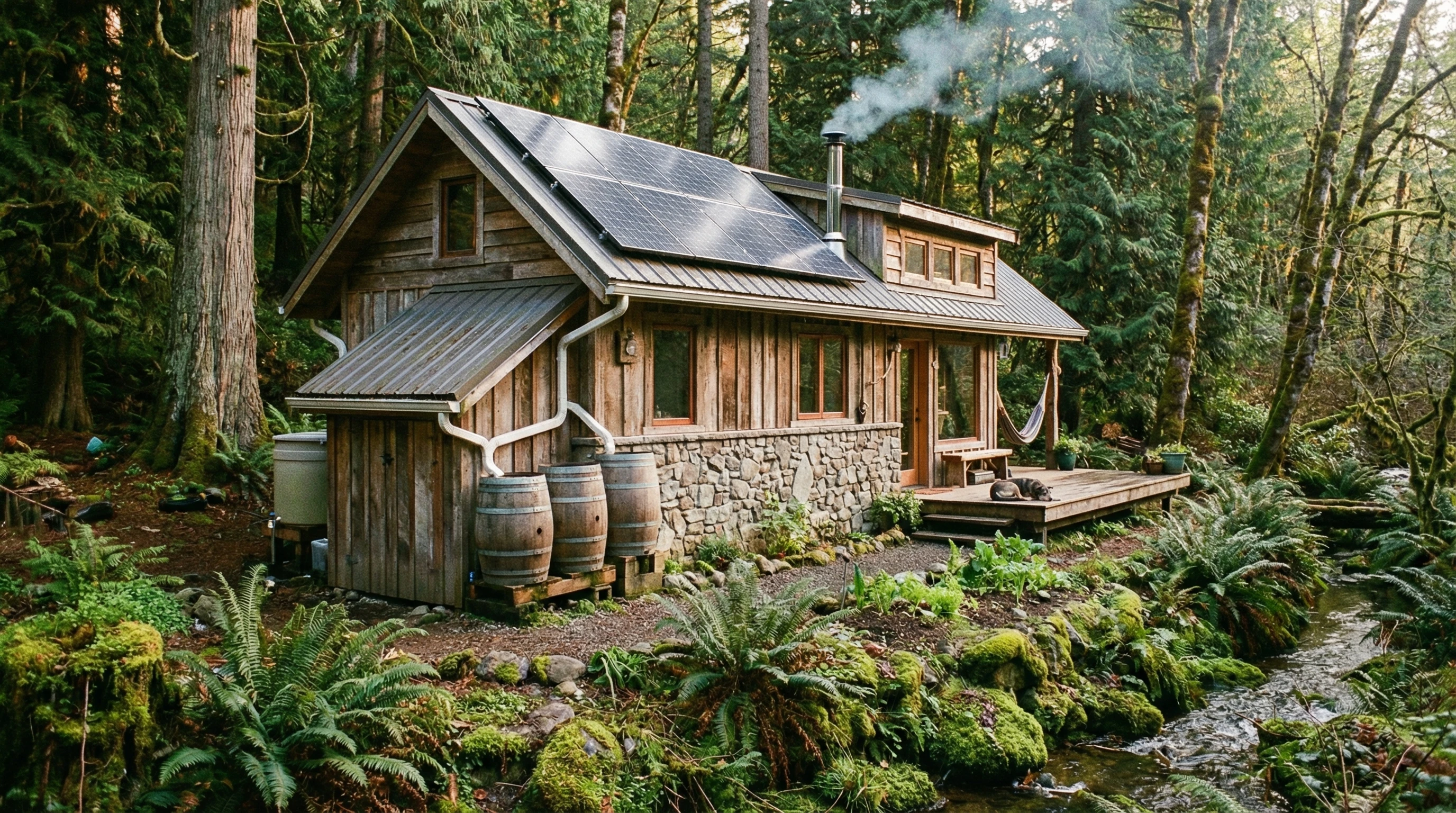
Tiny Home with Solar Panels

Tiny home living keeps attracting attention for its blend of flexibility, lower costs, and a mindset focused on enjoying a simpler, more intentional life. I’ve seen this trend spread, and more people are realizing how downsizing can lead to meaningful changes. With smarter design, ecofriendly features, and creative ways to use every inch, the future of tiny homes is looking even more eye-catching.


The Evolving Appeal of Tiny Home Living

The rising popularity of tiny homes isn’t just about having a small, cute place—it’s really about seeking financial freedom, trimming your environmental impact, and chasing less clutter with more freedom. When you cut back on what isn’t necessary, it’s easy to focus on what matters. For lots of folks, a modest space opens the door to greater opportunities for travel, hobbies, and connection with others.

  • Cost Savings: Building and maintaining a tiny home usually costs much less than a full-sized house, and that leftover budget can go toward trips, saving up, or an early retirement.
  • Flexible Living: Many tiny homes are built on wheels for easy relocation. Some use modular designs that can change as life moves along.
  • LowMaintenance Lifestyle: When you have fewer square feet, you spend less time cleaning and less money on repairs or things you don’t really need.

The demand keeps growing, and local governments are starting to keep up with zoning and legal changes that make tiny living more possible than ever.


Fresh Design and Technology Trends

Tiny homes today use clever solutions to stretch every inch. You’ll find space saving furniture, smart storage, and newer building materials bringing real comfort and convenience to micro-sized living spaces.

  1. Multipurpose Spaces: Sofas turn into beds, lofted sleeping areas clear out floor space, and foldaway tables help rooms serve several uses without feeling crowded.
  2. Ecofriendly Tech: Solar panels, composting toilets, rainwater collection, and super-efficient appliances work together to lower utility bills and step up environmental benefits.
  3. Smart Home Features: Small security systems, app-based lighting, and remote thermostats make it easy to manage energy needs and comfort, no matter the home’s footprint.

I’ve noticed plenty of new builders are adding these options, so tiny homes are becoming more practical and comfortable than ever before.


Challenges to Think About

Tiny home life often sounds dreamy, but it brings a few things to think on. Space can be tight, and not everyone is ready to let go of extra belongings. Zoning and building rules sometimes create hurdles, so working with a pro or researching in detail can smooth the way.

  • Storage: You have to be choosy about what sticks around. Creative storage—like underbed drawers and vertical cabinets—can be a lifesaver.
  • Legal Barriers: In some areas, finding a legal spot to park or live long-term means checking into building codes and zoning laws.
  • Utilities & Amenities: For those who go off-grid, extra thought needs to go into how you’ll handle power and water, especially if your home is mobile.

Finding the perfect spot and the best setup takes patience. Being clear on your comfort level, how much you want to move, and your priorities for self-sufficiency helps focus your choices.


Making a Tiny Home Future Fit You

Tiny homes now serve as weekend getaways, guest spots, and are main homes for everyone from young professionals to retirees. The lifestyle is wide open: minimalists, adventurers, couples, or anyone wanting less hassle and more peace can feel at home.

Some helpful advice for wannabe tiny dwellers:

  • Read up on local laws and zoning before buying or building land.
  • Try modular designs that make it easy to adapt as your life or family changes.
  • Take a test-run with a vacation or longer rental before making the full switch.
  • Seek out builder warranties and connect with designers who know their way around small spaces.

Tiny homes give more choices for affordable, personal, and earth-friendly living. This movement is flexible and creative, offering styles and setups for nearly everyone. There are even tiny communities and online groups where ideas and support are spread the word quickly.


Share Your Tiny Living Dream

If you’re eyeing a move to a tiny home—or are already making plans—sharing your ideas helps others learn too. The tiny home community is packed with practical advice and friendly support. Got stories or tips, or lessons learned the hard way? Drop a comment to help others considering the switch. Your experience can help spark new dreams and make the transition smoother for fellow tiny home fans.