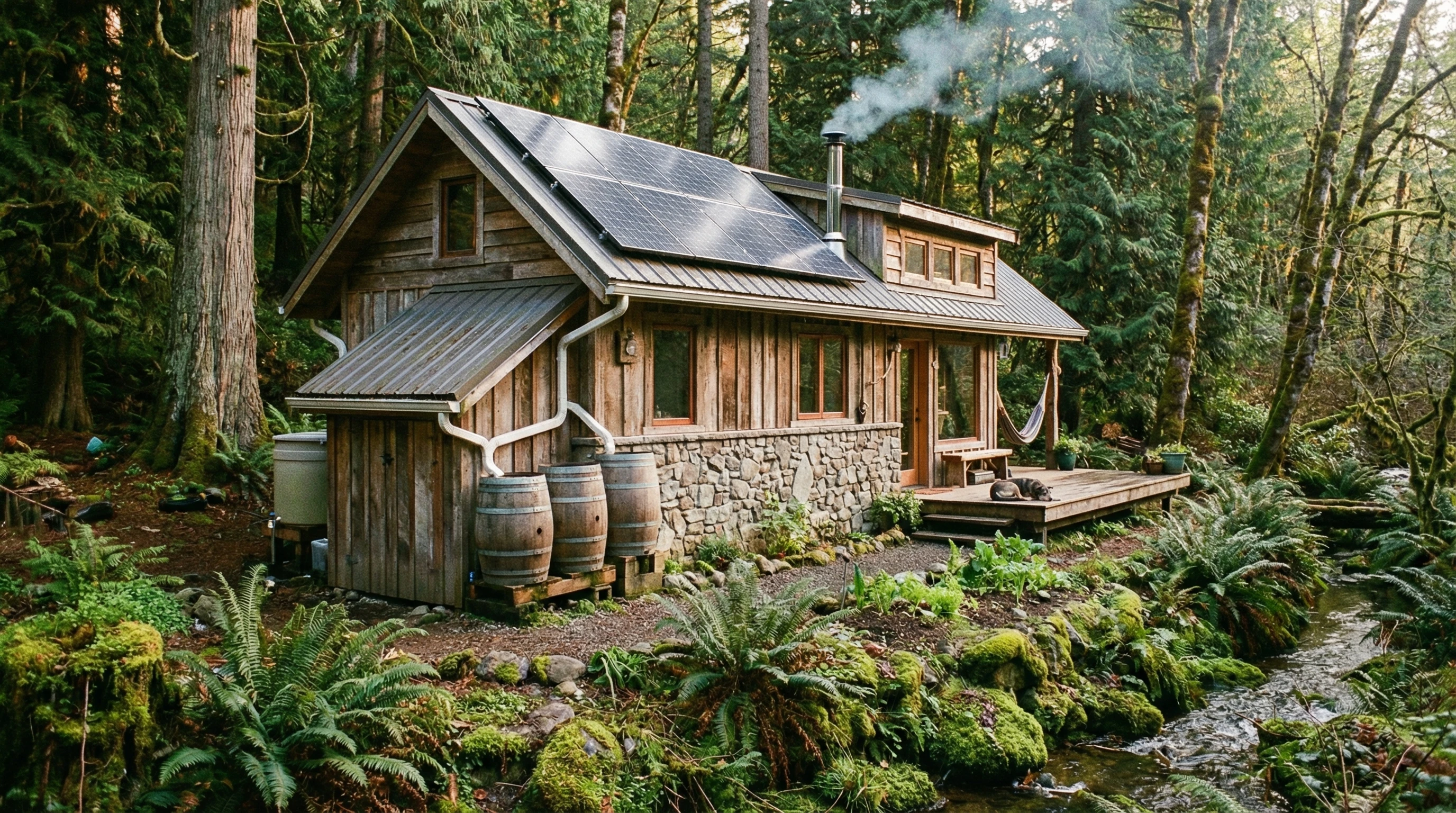

How to Build a Tiny Home Cheap (Without Cutting Dangerous Corners) – 2026 Guide
Building a tiny home can cost anywhere from $40,000 to over $120,000 in 2026. But with smart planning and strategic decisions, you can significantly reduce costs without sacrificing safety or long-term durability.
This guide breaks down where you can safely save money — and where you absolutely should not cut corners.
Now we structure it properly.
1. Reduce Labor Costs Strategically (Save 30–50%)
Labor accounts for up to half of a professionally built tiny home.
You can reduce costs by:
-
Handling framing yourself
-
Installing interior finishes
-
Painting and flooring DIY
-
Hiring professionals only for plumbing and electrical
If you’re taking on parts of the build yourself, a reliable tape measure can help reduce measuring errors and keep your project on budget.
Example:
Hiring a full builder: $90,000
DIY with pro electrical + plumbing: $60,000–$70,000
Potential savings: $20,000–$30,000
2. Simplify the Design (Save $5,000–$15,000)
Complex rooflines, custom lofts, and intricate layouts increase cost.
Ways to simplify:
-
Single-slope roof
-
Rectangular footprint
-
Fewer windows
-
Minimal built-ins
Design simplicity = material savings + labor savings.
3. Choose Budget-Friendly Finishes (Save $5,000–$20,000)
Instead of:
-
Quartz countertops
-
Custom cabinetry
-
High-end tile
Consider:
-
Butcher block
-
Open shelving
-
Vinyl plank flooring
Small aesthetic changes create major cost differences.
4. Use Reclaimed Materials — Carefully
Reclaimed wood, doors, and fixtures can reduce costs.
But:
-
Do not use salvaged structural lumber unless verified
-
Avoid reused plumbing components
-
Inspect all materials for damage
If you’re using reclaimed wood or fixtures, a moisture meter can help you catch hidden water damage and avoid expensive mistakes later.
Savings potential: $2,000–$10,000 depending on sourcing.
5. What NOT to Cut (Critical Areas)
Never reduce budget in:
-
Trailer or foundation
-
Structural framing
-
Insulation quality
-
Electrical safety
-
Roof waterproofing
Saving here often creates expensive future repairs.
Is a $5,000 or $10,000 Tiny Home Realistic?
In 2026, a true livable tiny home under $10,000 is extremely rare.
Ultra-budget builds often:
-
Lack plumbing
-
Lack insulation
-
Lack permanent utilities
-
Use unconventional materials
A more realistic “budget but livable” DIY build ranges between $40,000–$60,000.
Being realistic prevents disappointment and financial stress.
Before starting, it helps to chat with local zoning offices. They can provide specifics on what’s required and how tiny homes are classified in your neighborhood. Consider this your DIY reconnaissance mission.
Hearing from people who have already made it happen is incredibly helpful. Folk who have navigated this before can offer insights into permits, inspections, and those quirky little regulations you might not even think about.
Trust me, going through all this upfront can save you major headaches down the line, ensuring your cozy little spot is not just a dream but a perfectly legal home to enjoy.
Building a Budget-Friendly Tiny Home:
Dreaming of a tiny home but on a shoestring budget? You might be asking if building one for just $5,000 or $10,000 is even possible. Well, with the right approach, it can be. The biggest factor is smart planning and a willingness to get creative.
One way to tackle these low budgets is by repurposing and upcycling materials. Head over to recycling centers or even check out online platforms where people give away useful materials for free. Pallets, reclaimed wood, and even old windows can be transformed into beautiful parts of your home.
Another clever trick is doing as much of the labor yourself. Labor costs eat up budgets fast, so if you’re handy or willing to learn some new skills, that’s a huge saving right there.
There are plenty of folks who’ve built tiny homes without breaking the bank. They’ve done it by embracing simplicity in design. Smaller spaces naturally require fewer materials, and sticking to the essentials can make your construction dollars stretch further.
Potential trade-offs are part of the deal too. Going super-cheap might mean minimalistic design choices or sacrificing a bit of style for functionality. Keep those priorities in check and remember, every compromise should align with what matters most to you in your tiny home journey.
But don’t overlook hidden costs like permits or utility hookups. They can sneak up and take a big chunk out of your budget if you’re not prepared. Do your homework and plan for these to stay on track financially.
Realistic Budget Tiers for Building a Tiny Home Cheap (2026)
When people say “cheap,” they often mean different things. Here’s what budget-friendly realistically looks like in 2026:
Bare-Bones DIY Build ($35,000–$50,000)
-
Basic finishes
-
Minimal built-ins
-
DIY labor for framing and interior
-
Limited customization
-
Likely on a trailer
This is achievable but requires skill, time, and strict budgeting.
Balanced Budget Build ($50,000–$70,000)
-
Mix of DIY and professional labor
-
Mid-range insulation
-
Basic but durable finishes
-
Standard appliances
-
Some custom storage
This is the most common “cheap but livable” tier.
Strategic Savings Build ($70,000–$85,000)
-
Professional systems installation
-
Energy-efficient upgrades
-
Smarter material sourcing
-
Long-term durability focus
This isn’t ultra-cheap — but it reduces long-term maintenance and utility costs.
Cheap vs. Smart: The Long-Term Cost Difference
Building cheap doesn’t always mean saving money long term.
Cutting costs in structural framing, insulation, or waterproofing can lead to:
-
Moisture damage
-
Mold issues
-
Electrical hazards
-
Expensive repairs
A $3,000 savings today can turn into a $10,000 repair later.
The goal isn’t to build the cheapest tiny home possible — it’s to build the most cost-efficient one over time.
Final Thoughts
For a full pricing overview, see Cost to Build a Tiny Home in 2026.
For line-by-line expense details, review Tiny Home Construction Costs Breakdown.
To plug in your own numbers, use our DIY Tiny Home Cost Estimator.
This article may contain affiliate links. If you make a purchase through these links, I may earn a small commission at no extra cost to you. As an Amazon Associate I earn from qualifying purchases.