Minimalist Living Benefits

Minimalist living isn’t about empty rooms or owning as little as possible — it’s about intentionally designing a life with less distraction and more clarity. In 2026, as housing costs rise and digital overload increases, more people are turning to minimalism not just as a trend, but as a practical lifestyle strategy.

From reduced stress and improved financial control to increased focus and stronger relationships, the benefits of minimalist living extend far beyond decluttering a closet. Whether you’re transitioning into a tiny home or simply craving a calmer life, understanding the real advantages of minimalism can help you decide if this lifestyle shift is right for you

What Minimalism Is — and What It Isn’t

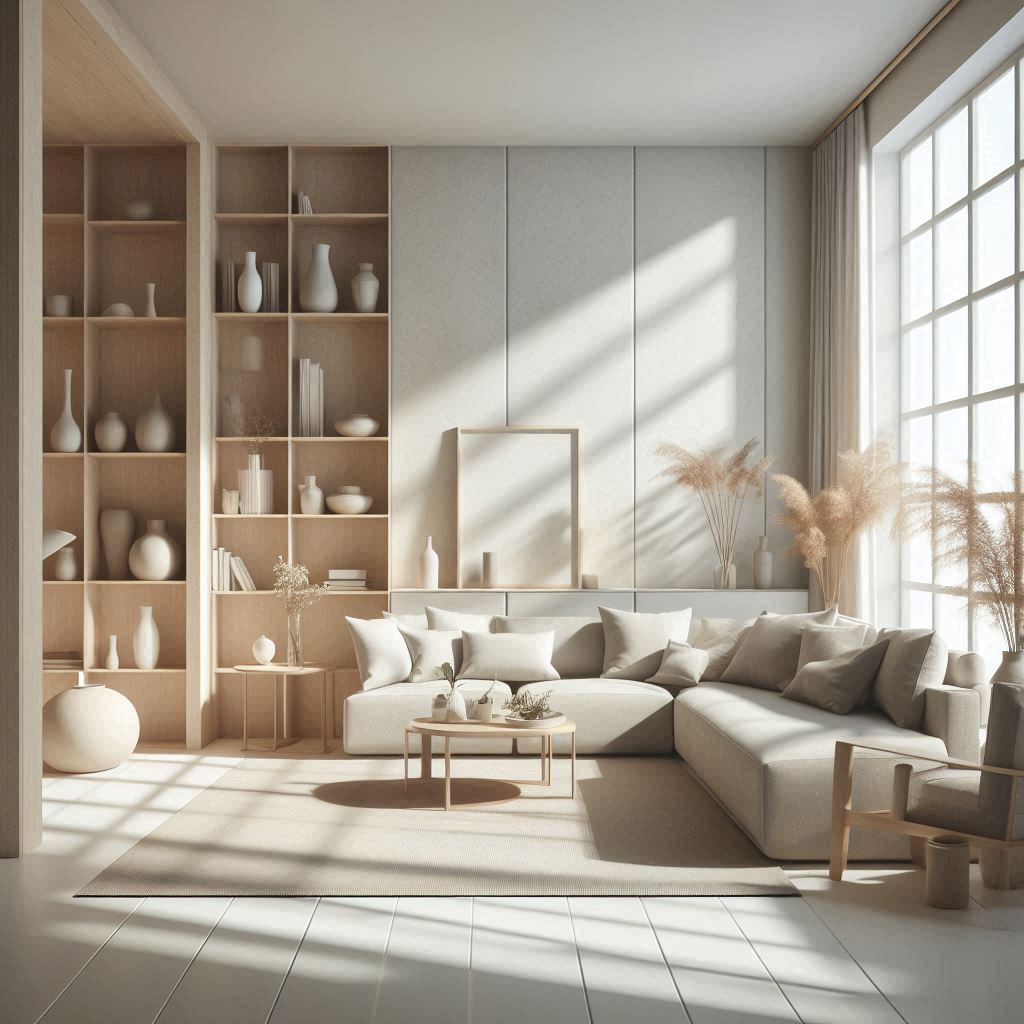
Minimalism is often misunderstood. It doesn’t require living in an empty home or eliminating every personal possession. Instead, it focuses on intentional ownership — keeping what adds value and removing what doesn’t.

The goal isn’t deprivation. It’s alignment. Minimalism asks a simple question: does this item, commitment, or habit support the life you want to live?

By shifting the focus from accumulation to intention, minimalism becomes less about restriction and more about freedom.

The Core Benefits of Minimalist Living

Minimalism isn’t just about owning fewer things — it creates measurable changes in how you think, spend, work, and live. Here are the most impactful benefits people experience when they adopt a minimalist lifestyle.

1. Mental Clarity and Reduced Stress

Clutter competes for attention. Excess visual stimuli can increase stress levels and reduce focus. By simplifying your surroundings, you reduce mental noise and create a calmer environment.

Many people who adopt minimalism report improved sleep, lower anxiety, and a greater sense of control over their daily routines.

2. Financial Freedom and Smarter Spending

Minimalism naturally reduces impulse purchases. When spending becomes intentional rather than reactive, financial habits shift.

Over time, this often leads to increased savings, less consumer debt, and more flexibility to invest in experiences or long-term goals — including transitioning into tiny home living.

3. Increased Productivity and Focus

A streamlined environment makes concentration easier. With fewer distractions, your workspace becomes a tool rather than a source of overwhelm.

Minimalism also reduces decision fatigue — fewer clothing choices, fewer possessions to manage, and fewer commitments competing for attention.

4. Stronger Relationships and Meaningful Experiences

When possessions take up less mental and physical space, relationships often move to the forefront. Many minimalists report spending more time nurturing friendships, hobbies, and personal growth.

The shift from “owning more” to “experiencing more” can significantly increase long-term life satisfaction.

5. Environmental and Sustainability Benefits

Owning less typically means consuming less. Reduced purchasing and more intentional buying habits contribute to a smaller environmental footprint.

Minimalism often aligns naturally with sustainable housing movements such as tiny home living.

Why Minimalism Naturally Supports Tiny Home Living

Minimalism and tiny home living often go hand in hand. When square footage is limited, intentional ownership becomes essential. Every item must serve a purpose, and every space must be thoughtfully designed.

Tiny homes naturally encourage minimalist habits — fewer storage areas mean fewer impulse purchases. Multi-functional furniture reinforces the idea of quality over quantity. Even daily routines become more streamlined when excess is removed.

For many people, embracing minimalism first makes transitioning to a tiny home significantly easier. Instead of feeling like downsizing, it feels like aligning your environment with your values.

Whether you’re planning a tiny home build or simply exploring the lifestyle, minimalism acts as the foundation that makes small-space living sustainable long-term.

Why Minimalism Is Gaining Momentum in 2026

In 2026, minimalist living is gaining renewed attention for practical reasons. Rising housing costs, digital overwhelm, and economic uncertainty are prompting many people to reassess what truly adds value to their lives.

Remote work has blurred the line between home and office, making clutter more disruptive than ever. At the same time, higher consumer costs are encouraging smarter spending habits. Minimalism offers a structured response to both challenges — creating calm environments and intentional financial decisions.

As tiny homes, small-space living, and sustainable design grow in popularity, minimalism becomes less of a trend and more of a practical framework for modern living.

Ready to Start Minimalism?

If you’re ready to turn the benefits of minimalism into real-life changes, here are a few helpful next steps:

Minimalist Techniques: The 30/30 Rule and the 5-7 Rule

Here’s the lowdown on the 30/30 rule that minimalists swear by. It’s pretty straightforward: if you haven’t used an item in 30 days, and you don’t plan on using it in the next 30 days, it’s time to let it go. This technique is a great way to clear out things that aren’t serving a purpose in your life, keeping only what’s genuinely useful or brings joy.

The 5-7 rule is another handy tool to keep your wardrobe under control. The idea is to have only 5 to 7 pieces of clothing in each category (like tops, bottoms, etc.). It’s about embracing versatility and finding joy in a simpler wardrobe. This rule helps prevent decision fatigue because fewer choices mean less stress.

These rules aren’t hard and fast but act as guiding principles to kickstart your minimalist journey. Adhering to them can make the process less overwhelming and more structured, especially when you’re starting out. It’s about finding what works best for you and making sure your environment supports your life, not the other way around.

Now, when it comes to practicality, both rules serve as useful frameworks for people who feel knee-deep in clutter. They’re adaptable to various lifestyles and needs, so feel free to tweak them as you go. The main goal is to be conscious of what you own and make room for what’s truly important.

Embracing these minimalist techniques can act as an eye-opener for just how much stuff we hold onto unnecessarily. They help shine a light on personal habits and can bring about lasting changes in how we view and interact with our belongings.

Happiness in Minimalism: Myth or Reality?

Are minimalists actually happier? This question often pops up when discussing the benefits of a pared-down lifestyle. Happiness, of course, is subjective, but study after study suggests that minimalists often report higher levels of satisfaction and contentment. With fewer distractions, there’s more opportunity to focus on relationships and experiences that tilt the happiness scale in the right direction.

Anecdotes from minimalists paint a picture of increased joy, noting how less clutter leads to a more peaceful life. When you’re not bogged down by stuff, you tend to have more time and energy to nurture meaningful relationships. Many say this has a direct positive impact on their happiness levels.

Now, it’s not all sunshine and roses—minimalism does come with challenges. It can sometimes feel like a balancing act, especially initially when letting go of items with emotional attachments. And, let’s be real, the social pressure to own things can be a bit of a hurdle too.

Exploring the psychological side of minimalism uncovers even more about its relation to happiness. Minimalism promotes mindfulness, where each item is a choice and not just a default. This awareness can lead to a more intentional lifestyle, reducing stress and boosting overall well-being.

Ultimately, whether minimalists are happier depends on individual values and priorities. For some, it’s transformative; for others, it might be more about moderation than strict minimalism. It’s about finding a personal balance where less feels like more.

Frequently Asked Questions About Minimalist Living

Is minimalism only about owning fewer things?
No. While reducing possessions is part of minimalism, the core principle is intentional living. It focuses on aligning your environment, spending habits, and commitments with your values.

Do you have to get rid of everything to be a minimalist?
Not at all. Minimalism looks different for everyone. The goal isn’t deprivation — it’s removing what doesn’t serve you so you can focus on what does.

Can minimalism save you money?
Yes. Many people experience reduced impulse spending, lower monthly expenses, and increased savings once they adopt more intentional purchasing habits.

Is minimalism necessary for tiny home living?
While not mandatory, minimalist habits make tiny home living significantly easier. With limited space, intentional ownership becomes essential for comfort and functionality.

Does minimalism make people happier?
Happiness is subjective, but many minimalists report reduced stress, greater focus, and stronger relationships — all factors associated with higher life satisfaction.
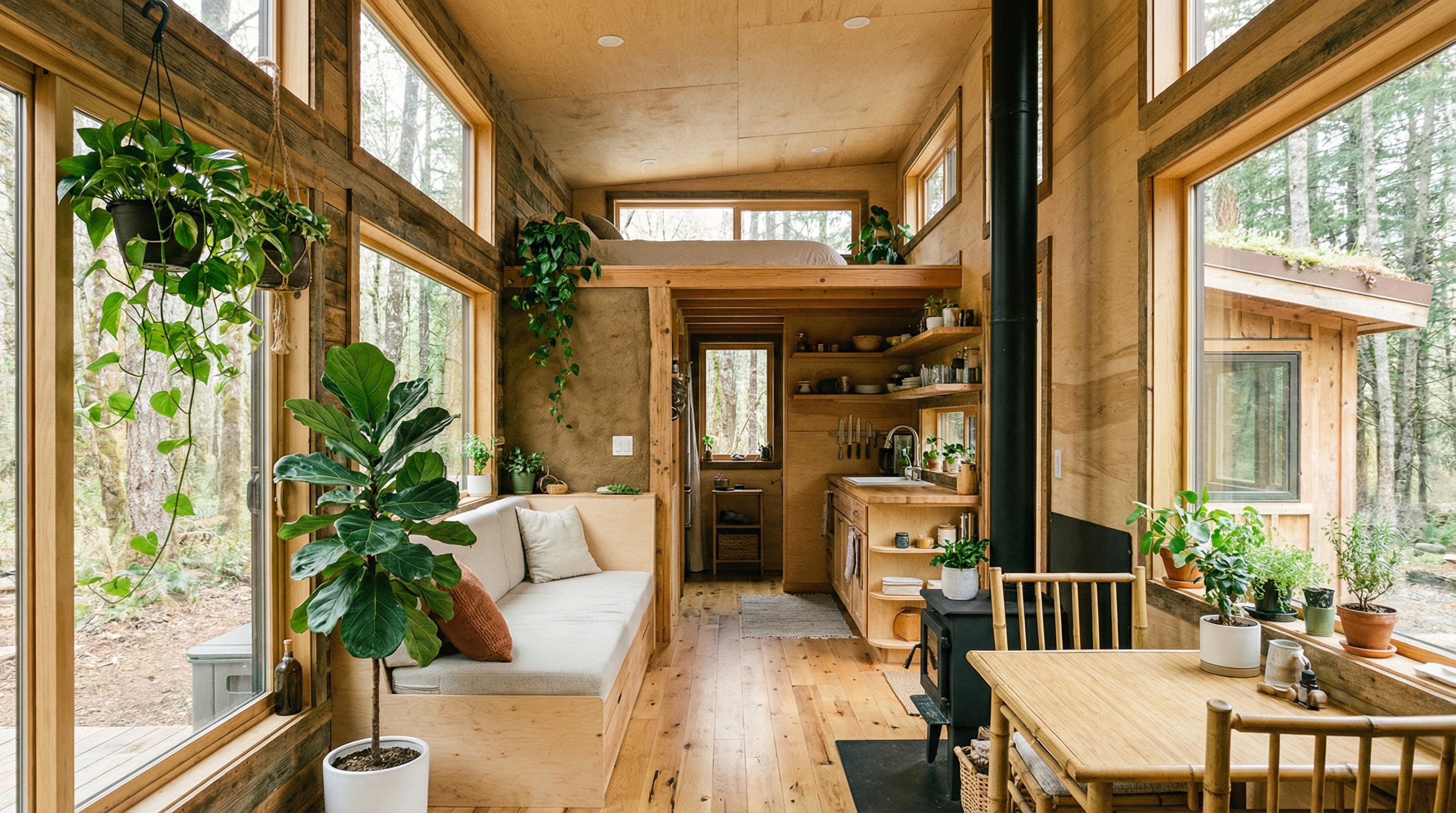
 

Future Of Tiny Home Living

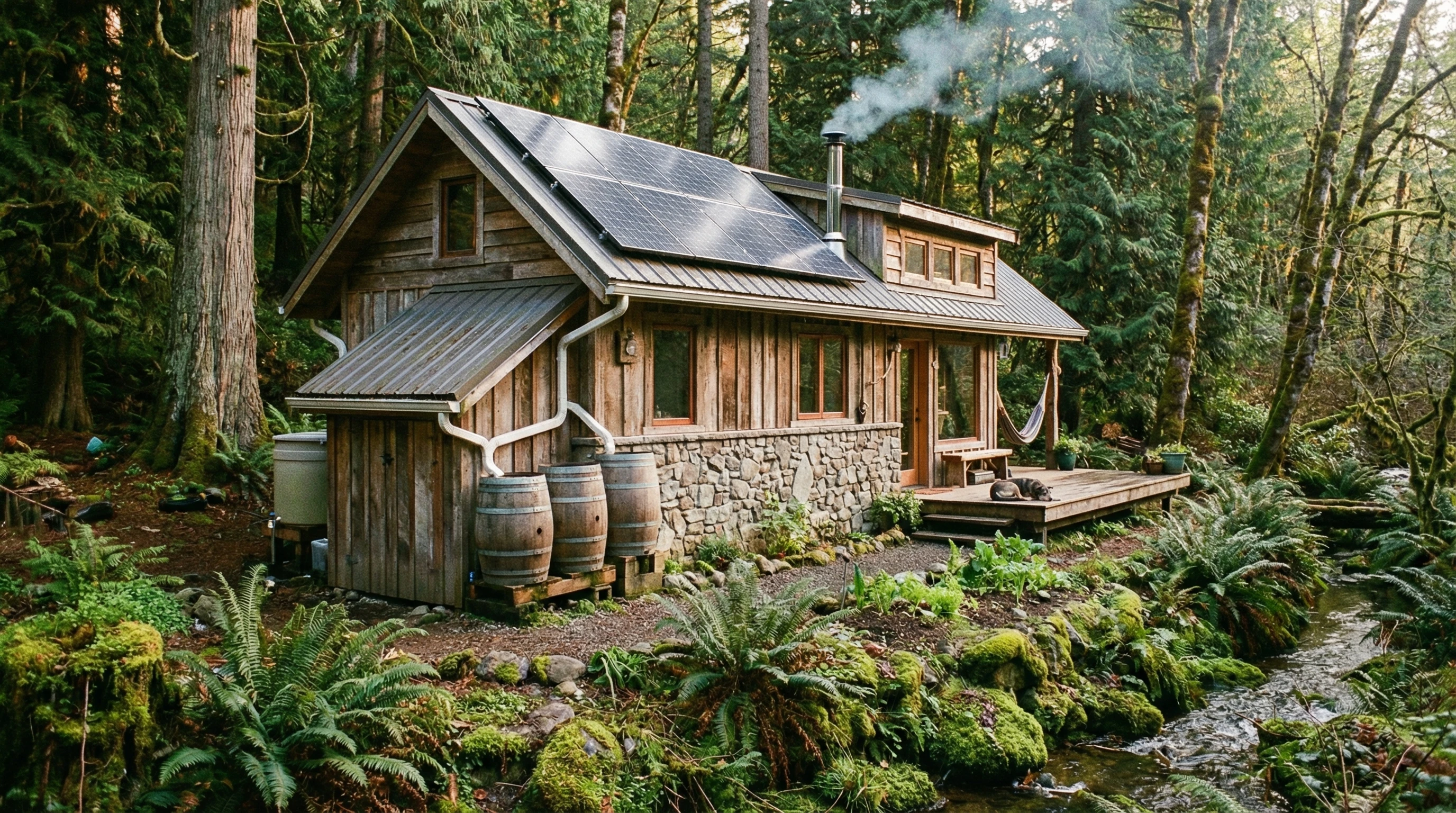
Tiny Home with Solar Panels

Tiny home living keeps attracting attention for its blend of flexibility, lower costs, and a mindset focused on enjoying a simpler, more intentional life. I’ve seen this trend spread, and more people are realizing how downsizing can lead to meaningful changes. With smarter design, ecofriendly features, and creative ways to use every inch, the future of tiny homes is looking even more eye-catching.


The Evolving Appeal of Tiny Home Living

The rising popularity of tiny homes isn’t just about having a small, cute place—it’s really about seeking financial freedom, trimming your environmental impact, and chasing less clutter with more freedom. When you cut back on what isn’t necessary, it’s easy to focus on what matters. For lots of folks, a modest space opens the door to greater opportunities for travel, hobbies, and connection with others.

  • Cost Savings: Building and maintaining a tiny home usually costs much less than a full-sized house, and that leftover budget can go toward trips, saving up, or an early retirement.
  • Flexible Living: Many tiny homes are built on wheels for easy relocation. Some use modular designs that can change as life moves along.
  • LowMaintenance Lifestyle: When you have fewer square feet, you spend less time cleaning and less money on repairs or things you don’t really need.

The demand keeps growing, and local governments are starting to keep up with zoning and legal changes that make tiny living more possible than ever.


Fresh Design and Technology Trends

Tiny homes today use clever solutions to stretch every inch. You’ll find space saving furniture, smart storage, and newer building materials bringing real comfort and convenience to micro-sized living spaces.

  1. Multipurpose Spaces: Sofas turn into beds, lofted sleeping areas clear out floor space, and foldaway tables help rooms serve several uses without feeling crowded.
  2. Ecofriendly Tech: Solar panels, composting toilets, rainwater collection, and super-efficient appliances work together to lower utility bills and step up environmental benefits.
  3. Smart Home Features: Small security systems, app-based lighting, and remote thermostats make it easy to manage energy needs and comfort, no matter the home’s footprint.

I’ve noticed plenty of new builders are adding these options, so tiny homes are becoming more practical and comfortable than ever before.


Challenges to Think About

Tiny home life often sounds dreamy, but it brings a few things to think on. Space can be tight, and not everyone is ready to let go of extra belongings. Zoning and building rules sometimes create hurdles, so working with a pro or researching in detail can smooth the way.

  • Storage: You have to be choosy about what sticks around. Creative storage—like underbed drawers and vertical cabinets—can be a lifesaver.
  • Legal Barriers: In some areas, finding a legal spot to park or live long-term means checking into building codes and zoning laws.
  • Utilities & Amenities: For those who go off-grid, extra thought needs to go into how you’ll handle power and water, especially if your home is mobile.

Finding the perfect spot and the best setup takes patience. Being clear on your comfort level, how much you want to move, and your priorities for self-sufficiency helps focus your choices.


Making a Tiny Home Future Fit You

Tiny homes now serve as weekend getaways, guest spots, and are main homes for everyone from young professionals to retirees. The lifestyle is wide open: minimalists, adventurers, couples, or anyone wanting less hassle and more peace can feel at home.

Some helpful advice for wannabe tiny dwellers:

  • Read up on local laws and zoning before buying or building land.
  • Try modular designs that make it easy to adapt as your life or family changes.
  • Take a test-run with a vacation or longer rental before making the full switch.
  • Seek out builder warranties and connect with designers who know their way around small spaces.

Tiny homes give more choices for affordable, personal, and earth-friendly living. This movement is flexible and creative, offering styles and setups for nearly everyone. There are even tiny communities and online groups where ideas and support are spread the word quickly.


Share Your Tiny Living Dream

If you’re eyeing a move to a tiny home—or are already making plans—sharing your ideas helps others learn too. The tiny home community is packed with practical advice and friendly support. Got stories or tips, or lessons learned the hard way? Drop a comment to help others considering the switch. Your experience can help spark new dreams and make the transition smoother for fellow tiny home fans.

Open-Concept Vs. Compartmentalized Tiny Homes For Eco-friendly Builders

Tiny home floor plans

Building ecofriendly tiny homes stirs up a lively debate for anyone wanting to live smaller. Should you go with an open concept layout or pick a compartmentalized design? I’ve spent a lot of time checking out tiny home trends and practical floor plans. I’ve noticed real benefits and drawbacks to both options, especially when creating a space that’s not just green but also feels comfortable and smart for everyday living.

If you’re still exploring broader design options, this guide to multi-functional tiny home layout ideas explains how different floor plans balance openness, privacy, and storage.


Comparing Open Concept and Compartmentalized Layouts

Open concept tiny homes keep a minimal number of interior walls, which means the kitchen, living area, and sometimes even the bed all flow together in one big space. This design opens up the main area; it can make a home feel bright, airy, and a lot bigger than its square footage would suggest. Compartmentalized tiny homes, however, use partial or full walls (or clever dividers) to carve out specific rooms for things like sleeping, cooking, and relaxing. These separate zones bring extra privacy and reduce clutter by giving each area a clear use.


How Layout Impacts Sustainability

Ecofriendly builders care about more than looks; the home’s layout can actually change how easy it is to heat, cool, and make the most of eco tech. Open concept designs keep airflow moving evenly, making it easy for a simple, energy efficient system to heat or cool the whole place. Natural sunlight reaches everywhere, helping reduce the need for electric lights and boosting cross ventilation. This combo often cuts down on how often you’ll flip on the HVAC or other electrical appliances.

Compartmentalized layouts, on the other hand, let you use taskspecific lighting and close off unused sections. You might use less energy by only conditioning spaces you actually need at any moment. Some homeowners use insulated curtains or sliding panels — these both help keep warmth exactly where it’s needed and give a boost to passive heating methods. This tricks gets the most out of every watt used.


Everyday Living: Privacy, Noise, and Storage

Privacy is a big deal, especially if you’re sharing a tiny home. In my experience, open concept layouts keep everyone together, which definitely feels social and friendly, but there’s not much in the way of sound buffering. Cooking smells or noise from a movie night reach every corner. Compartmentalized designs let you shut doors or pull screens, so you can nap or get work done in peace when you need some time alone.

Storage often nudges the decision, too. Open plans have fewer walls for shelves or hanging storage, though you can use built in benches or lofts to help. On the flip side, compartmentalized homes can pack in cubbies under stairs, nooks above doors, or even a full closet wall. For anyone who wants to stay organized, those zones are hugely helpful. If you’re living with hobbies, pets, or kids, extra storage options are worth their weight in gold.


Layout Ideas for Low Impact Tiny Home Living

  1. Open Concept With Eco Upgrades: Pick multifunction furniture and larger windows that maximize natural light. Choose energy efficient fixtures, and use a lofted bed to save main floor space for living and storage.
  2. Flexible Compartments: Use sliding pocket doors, curtain dividers, or even movable panels; they give privacy whenever you need it. Add solar powered fans in each section for better temperature control and comfort during hot months.
  3. Hybrid Designs: Some floor plans offer a mix — you’ll get airy, open lounging and kitchen space along with a private nook or an enclosed bedroom. This way, you keep that spacious feeling but still enjoy a quiet retreat every so often.

Picking the right layout comes down to personal routines, household needs, and your own eco goals. Open concept homes are a good fit for individuals or couples who don’t mind sharing every zone, while compartmentalized setups are excellent for roommates, families, or anyone who likes their alone time or wants to keep noise in check.  No matter which layout style you choose, strong organization is essential. These tiny home space optimization tips can help you get more usable storage from the same footprint.


Getting Started on Your Green Tiny Home Project

Whenever I help friends or clients start thinking about their own ecofriendly tiny house, I always suggest making a list of what matters most: energy use, privacy, favorite routines, and budget. Sketch out floor plans, and if possible, check out some real world tiny homes. You’ll spot smart tricks and design details you may never have thought of. Online tools and 3D models make it easy to experiment with layouts before you start building.

There’s no universal answer, but choosing a floor plan based on your lifestyle and sustainability priorities sets your tiny home up for real comfort, lower monthly costs, and a seriously smaller carbon footprint.


Share Your Experience or Ask Questions

Your plans, questions, or stories about tiny home layouts help out anyone considering making the switch. Drop a comment if you’re weighing open versus compartmentalized designs, or if you have handy tips for living green in a small space. Sharing real life experiences keeps the conversation rolling and may help someone else take the leap into tiny home living!

10 Innovative Tiny Home Floor Plans To Maximize Space

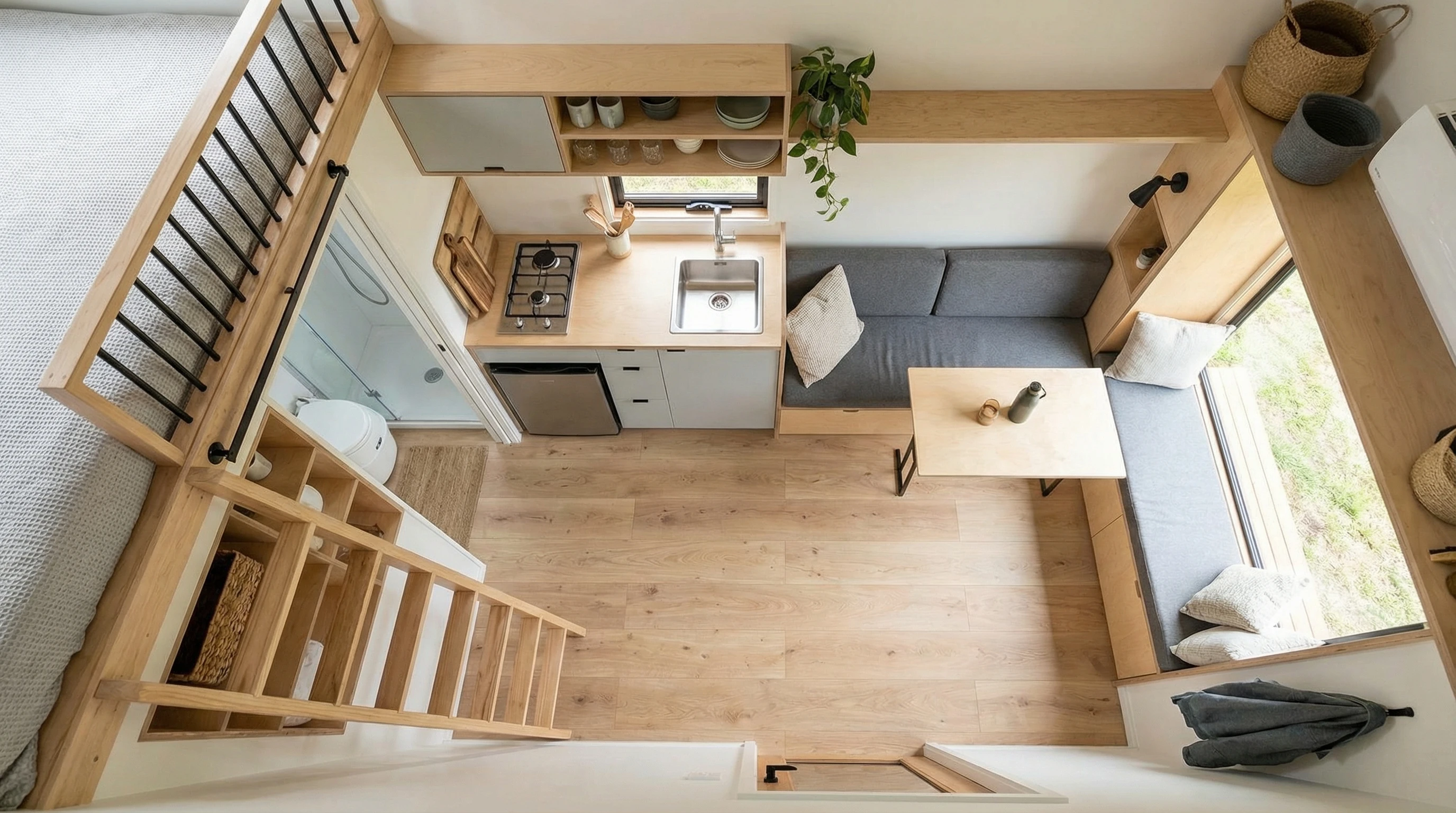
Tiny Home Floor Plan Examples

Thinking about downsizing or just fascinated by smart living solutions? Tiny homes keep getting better, especially with creative floor plans that use every inch. I’ve rounded up 10 eye-catching tiny home floor plans that squeeze serious function and comfort out of small spaces. These ideas are a fun way to get inspired for your dream tiny home build or remodel. Let’s jump right in and check out how clever design can make a tiny home truly shine!

Before choosing a specific floor plan, it helps to understand the layout principles behind it. This guide to tiny home layout ideas explains how different layouts balance storage, openness, and everyday functionality.


How Smart Design Maximizes Tiny Home Space

The right layout totally changes the feel and usability of a tiny home. A clever floor plan helps avoid clutter and makes sure you aren’t always bumping elbows with your stuff. Here’s what goes into making these homes practical and inviting:

  • Multiuse Areas: Think living rooms that turn into bedrooms, or dining tables that fold away when you don’t need them.
  • Vertical Storage: Builders use shelves, overhead cabinets, and understair storage to keep things organized without taking up valuable floor space.
  • Sliding Doors: These take up less space than regular doors and help rooms feel more open and airy.

Smart details like these really give the layout a fresh and flexible vibe, no matter the size of your home. And if you’re planning a new tiny retreat, think about how each space can serve double duty—this is where smart storage and creative furniture really step up the comfort!

Even the most efficient floor plan still depends on smart storage and furniture placement. These tiny home space optimization tips can help you get more function out of every square foot.


10 Tiny Home Floor Plan Ideas Worth Checking Out

  1. Lofted Sleeping Spaces
    A raised bed frees up main floor real estate, which is super handy for adding a sofa, bookshelf, or even a cozy office nook underneath. Stairs or ladders lead up, and most lofts include storage cubbies built right in so you don’t waste any room.
  2. Pull-Out and Foldaway Beds
    Some homes use Murphy beds or builtin daybeds, letting you switch between living and sleeping space with a quick pull. It’s hasslefree and means you can have a bigger living room by day.
  3. Galley Kitchens with Folding Sections
    Narrow kitchens line one or both sides, often with countertops or tables that fold up as needed. This setup lets two people work together but keeps things open when the extras are closed up. Plus, it’s easy to stay organized.
  4. Convertible Workspaces
    If you work from home, this layout is amazing. Desks slide out or drop down, so your office can disappear when friends come to visit. Some floor plans even have sneaky pop-up monitor storage or hidden cabinets for extra tech.
  5. Split Floor Living (Upstairs/Downstairs)
    This design separates sleeping space above from cooking and living space below, making sure each area feels private. Skylights and big windows brighten everything up, so the home always feels inviting and open.
  6. Bathroom Tucked Under the Loft
    Bathrooms fit snugly underneath stairs or lofts, with pocket doors and compact fixtures that save space. Tucking the bathroom away here keeps things convenient without sacrificing privacy or comfort.
  7. Wallmounted Storage and Appliances
    Compact fridges, ovens, and fold-down shelves get mounted on the wall, freeing up floor space for easier movement. This way, everything has a spot and the home never feels cluttered.
  8. Outdoor-Connected Living
    Some homes use double doors or decks as an extension of the living area. Cook, eat, or relax outside, then just shut the doors when you’re done. Connecting inside and out makes the whole place feel bigger.
  9. Dedicated Pet Nooks
    Have pets? Look for a plan with built-in sleeping nooks for animals, or a clever spot for a litter box. It’s a great way to include your furry friends in the design and keep the home tidy.
  10. Flexible Walls and Room Dividers
    Sliding walls or curtains let you separate the main room, change up your spaces, or open it all up when you want a bigger feel. Study quietly in one area, sleep in another, and adjust it all as your needs change.

Choosing a Tiny Home Floor Plan That Fits Your Needs

Pick a floor plan that matches how you actually live. If you love cooking, go for a bigger kitchen setup. Reading fan? Make a committed spot for a comfy reading nook. Don’t underestimate storage—especially for hobbies, sports gear, or working from home. Sketch out the space, use online design tools, or even build a quick cardboard model to picture how it all flows and spot any awkward areas before the hammers come out.

The best tiny home isn’t just about having a stylish place; it’s about living well with less, making things functional, and tailoring every corner to fit your lifestyle.


Next Steps: Bringing Your Tiny Home to Life

Once you find a floor plan that makes sense for your style and routines, chat with a builder who has experience with small houses. A pro can help you tweak the plan for your site, your climate, and your budget. Look for super detailed layouts and online 3D tours to really get a feel for the finished space. Planning ahead and asking lots of questions goes a long way when you’re swapping big living for small.


Share Your Tiny Home Ideas

I’m always excited to hear about unique floor plan hacks or design ideas that worked for you in a tiny home. Please share your designs and questions below—your tips help everyone get the most out of small living!

Creating A Cozy Living Space In Under 300 Sq Ft

Cozy small apartment living space inspiration

Creating a Cozy Living Space in Under 300 Square Feet

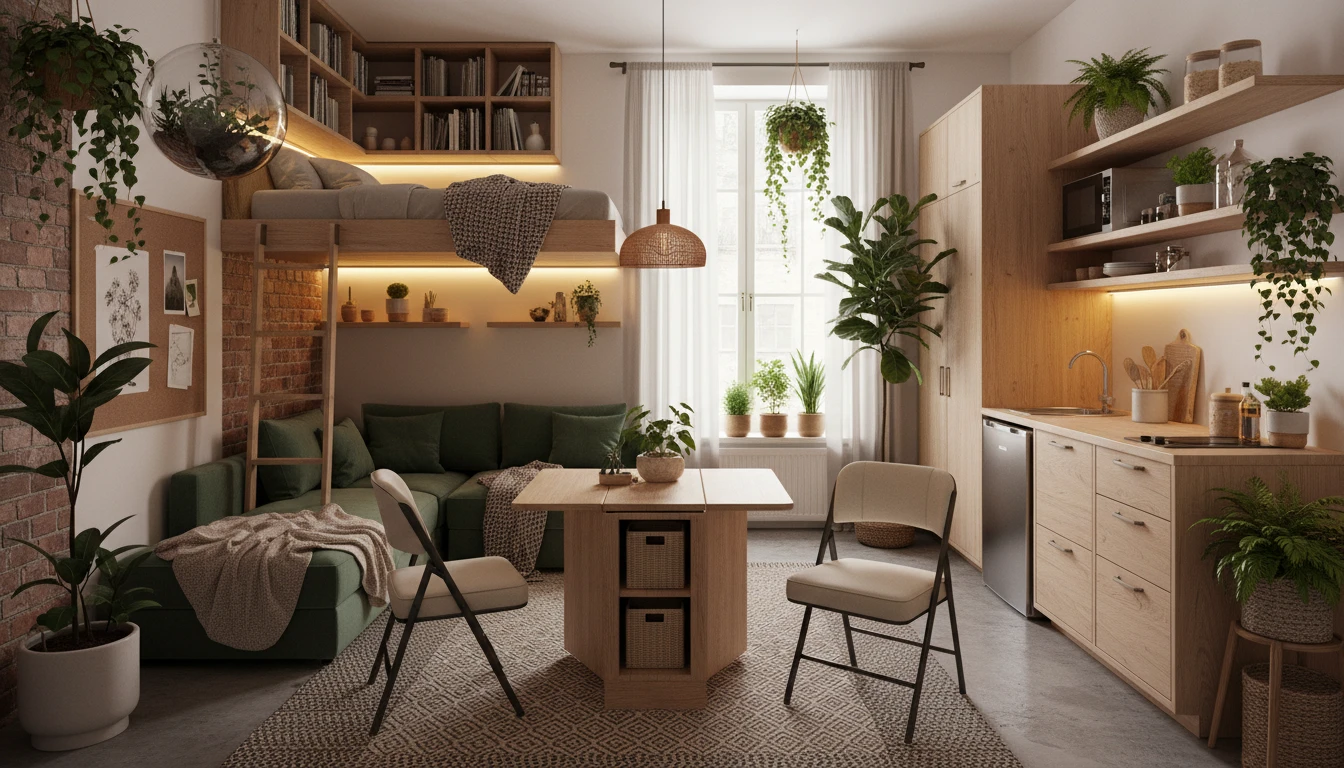
If you think a teeny, under-300-square-foot space can’t feel cozy, think again. It’s absolutely possible to turn a tiny studio, micro-apartment, or small tiny home into a warm and welcoming place. With a few practical choices and the right layout, even the smallest space can feel comfortable, functional, and personal.  Creating a cozy small space gets much easier when your layout, storage, and furniture all work together.

If you’re also planning your overall setup, this guide to tiny home layout ideas breaks down layout types and smart space-saving strategies for small footprints.

Practical Space Planning for Small Living

When you live in a compact space, planning matters. Every square foot has to work harder, and wasted space can make a room feel cramped fast.

Start by measuring your space and identifying what you really need. That may include:

  • a spot to eat
  • a comfortable area to relax
  • storage that keeps clutter out of sight

Multiuse furniture can make a huge difference in a small home. A sofa bed, storage ottoman, or coffee table with hidden storage helps you get more function without taking up extra room.

Vertical storage is another smart move. Wall shelves, hooks, and mounted organizers help free up floor space and keep your home feeling open. Clear walkways also matter more than people think. Being able to move through the room easily instantly makes a small space feel more comfortable.

Before bringing in large furniture, sketch your layout or use painter’s tape to mark where each piece will go. This simple step can save money, prevent frustration, and help you avoid buying furniture that overwhelms the space.

For even more storage-friendly ideas, check out these tiny home space optimization tips.

Smart Storage Solutions

Storage is often the biggest challenge in a small living space, but the right solutions can keep your home organized without making it feel crowded.

A few practical storage ideas include:

  • under-bed drawers or storage boxes for clothes, shoes, or extra linens
  • over-the-door organizers for shoes, cleaning supplies, or toiletries
  • baskets and bins on open shelves to hold chargers, mail, and everyday items
  • wall hooks for keys, bags, or jackets
  • storage ottomans that double as seating

Keeping clutter under control makes a tiny home feel calmer and more relaxing. Even small additions like slim closet organizers or stackable bins can have a big impact over time.

Choosing Furniture and Decor

Furniture and decor choices can completely change the look and feel of a small home. In under 300 square feet, every piece should earn its place.

Light, neutral colors help a space feel bigger and brighter. You can still add personality with colorful pillows, artwork, or throws that are easy to update seasonally.

Furniture with legs or open bases can also make a room feel less heavy. Glass tables, open-frame chairs, and slim-profile pieces help maintain a sense of airiness.

Other smart choices include:

  • foldaway tables
  • stackable stools
  • nesting tables
  • benches with hidden storage

A rug can help define your main living area, especially in a studio-style layout. Soft throw blankets, textured pillows, and a few carefully chosen decor pieces can add warmth without creating clutter. Plants and framed art also help personalize the space and make it feel like home.

Lighting and Ambiance Basics

Lighting can make or break a small space. Harsh overhead lighting often makes a room feel flat and less inviting, while layered lighting adds warmth and comfort.

Try combining a few different light sources, such as:

Warm-toned bulbs usually create a softer, cozier feel than cool white lighting.

Mirrors are another simple trick that works well in tiny spaces. They reflect light and help a room feel larger. Placing a mirror near a window or across from a light source can brighten the entire space and visually expand it.

Building a Cozy Daily Routine

Sometimes coziness comes less from what you own and more from how you use your space. A tiny home feels more inviting when it supports your everyday routines.

A favorite chair by the window, a dedicated reading corner, or a simple morning coffee setup can make even the smallest home feel intentional and comforting.

Personal touches matter too. Favorite mugs, soft rugs, framed photos, candles, and a few meaningful decor items help transform a small room into a space that feels lived in and loved. When every item has a purpose or brings you joy, your home starts to feel bigger in all the ways that matter.

Small Spaces Can Still Feel Like Home

Creating a cozy living space in under 300 square feet is all about smart choices. Thoughtful furniture, practical storage, soft lighting, and personal details can make a tiny footprint feel surprisingly comfortable.

Small-space living doesn’t have to feel limiting. With the right setup, it can feel efficient, peaceful, and full of personality.

This article may contain affiliate links.  If you make a purchase through the links, I may earn a small commission at no cost to you.  As an Amazon Associate, I earn from qualifying purchases.