
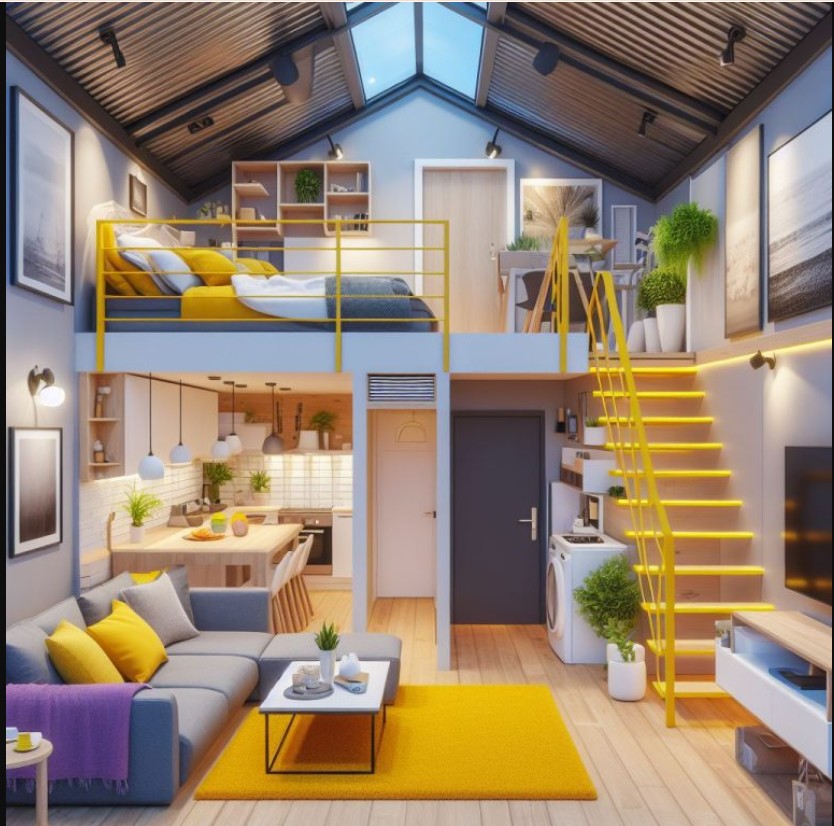
Tiny Home Space Optimization Tips

Living in a tiny home can be a game-changer when it comes to space management. Let’s talk furniture. Multi-functional furniture is worth its weight in gold. Think beds that double as storage units or sofas that unfold into beds. These nifty pieces mean you make the most of every square inch.

Ever considered using that vertical space? Shelves that go floor to ceiling are a blessing. They not only lift items off the floor but also draw the eye upward, making your space feel bigger. You can also use wall-mounted hooks and racks for everyday items, freeing up counter and floor space.

Foldable and convertible elements can transform your living space in seconds. Imagine a dining table that folds into the wall when not needed or a work desk that disappears after hours. These space-savers ensure you’re not sacrificing living space for functionality.

Color can do magic. Light, soft hues open up rooms, while darker shades might shrink them a bit. Mirrors work wonders too, reflecting light and giving the illusion of a larger area. With the right palette, your tiny home can feel airy and comfortable.

Avoiding Common Mistakes in Tiny Home Design

One pitfall in tiny home design is lighting, or should I say, lack of it. Without the right lighting, even the most spacious of tiny homes can feel cramped and uninviting. Natural light is your best friend. Large windows or skylights can flood your space with sunlight, making it feel larger and more welcoming.

Balancing aesthetics with functionality is a tightrope walk. Sure, that vintage trunk looks cute, but does it serve a purpose? Furniture and decorations should pull double duty, offering utility alongside style. It’s all about making smart choices that reflect personal style without compromising on space.

Clutter is the enemy, and it can happen fast in a small space. Custom storage solutions can make a big difference here. From built-in shelving to hidden under-seat compartments, personalized storage options help keep belongings organized and out of sight.

The mental impact of living in a cramped space shouldn’t be underestimated. Overstuffed homes can lead to stress and anxiety. Prioritizing an open, airy vibe with thoughtful layouts and minimal clutter makes for a more peaceful living environment.

Optimizing Small Spaces: Proven Strategies and Solutions

When it comes to optimizing compact living areas, modular units can be a real lifesaver. These units allow for flexible arrangements to suit your needs of the moment, whether it’s extra seating for guests or a workspace for those day-to-day tasks. You can reconfigure your setup without breaking a sweat.

Adopting a minimalist lifestyle can go a long way. It’s not just about reducing possessions but about keeping only the essentials that add value to your life. With fewer items around, the space feels larger and more breathable, leading to a more enjoyable living experience.

Mirrors aren’t just for vanity—they’re strategic space enhancers, too. By placing them opposite windows or near light sources, they reflect light around the room, crafting an illusion of openness that can make even a tiny room feel expansive.

Creative layouts do wonders. Open plans can be tricky when space is tight, but smart arrangements can conquer layout problems. Think of seating that divides a living area and a workspace without hefty partitions. It’s about creating zones in a way that works for you without crowding.

Clever Tiny Home Design Hacks and Innovations

Embracing mobility is key in tiny home living. Incorporating hidden wheels and sliding mechanisms in furniture pieces or partitions can make daily life a breeze. This kind of flexibility allows for easy reconfiguration and can adapt the space to a variety of functions.

Kitchens in tiny homes need a little magic touch when it comes to storage. Think about incorporating pull-out pantry shelves and magnetic wall strips for utensils. These hacks maintain organization and accessibility without eating up valuable counter space.

Clothes management can also get tricky in cramped quarters. Rotating seasonal wardrobes can help—store off-season clothes in vacuum bags. Use every nook, like the backs of doors or under-bed drawers, to tuck away garments without intruding on living areas.

Spatial zoning doesn’t have to mean walls. Simple tweaks, like varying flooring textures or employing strategic lighting, can define separate areas within an open plan. This is a smart way to maintain a sense of order while keeping everything open and airy.
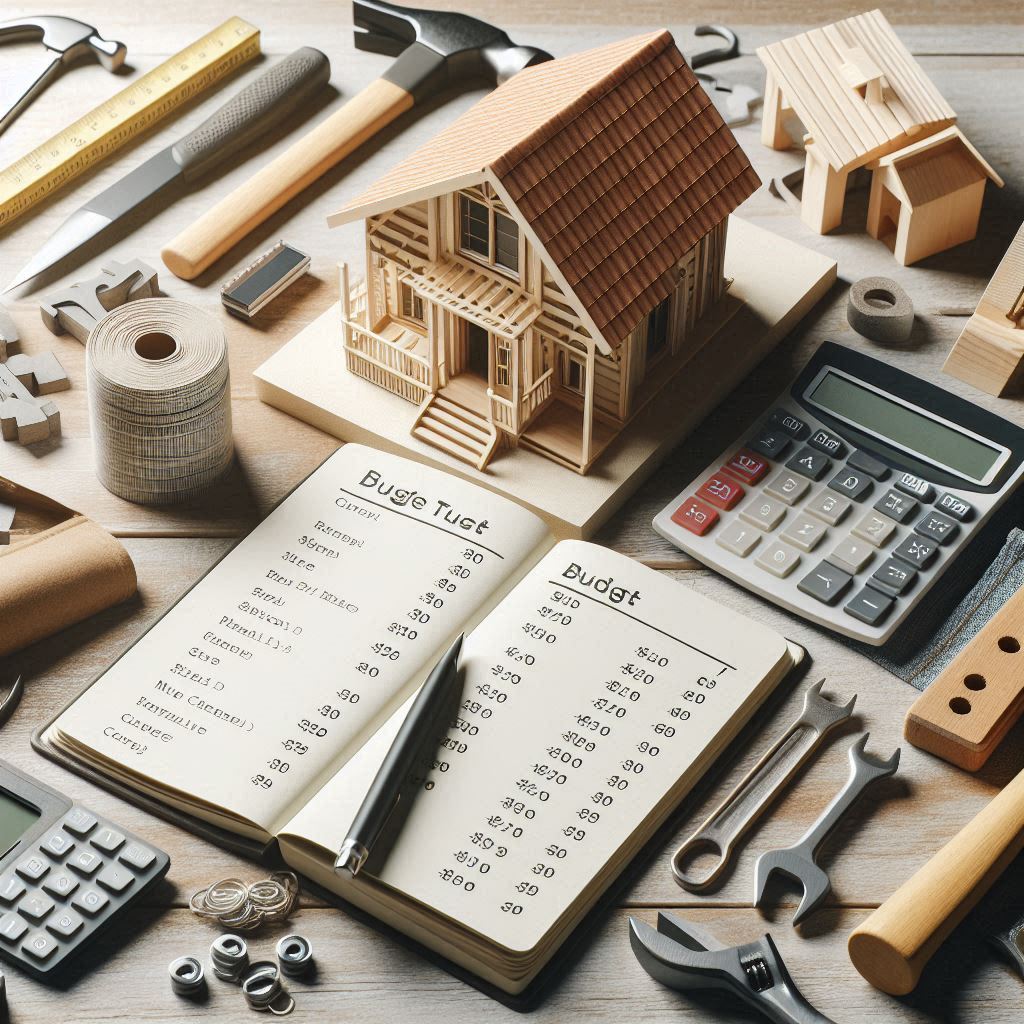
DIY Tiny Home Cost Estimator

DIY Tiny Home Cost Estimator

Tiny homes are all the rage these days, usually defined as homes between 100 to 400 square feet. Whether you’re fueled by a desire for minimalist living or looking for affordable housing, going tiny can be a big deal.

When considering building a tiny home yourself, weighing the pros and cons is crucial. On the plus side, it can be a rewarding project that offers creative freedom and could save you some cash. However, the time, effort, and challenges involved might outweigh those initial savings if you’re not careful.

There are several factors to ponder before you even pick up a hammer. First up, understand the zoning laws in your area, as they can make or break your tiny adventure. Then, there’s thinking about how you’ll use the space—will it be a guest house, a mobile getaway, or your permanent digs?

Choosing between a DIY build and hiring professionals can be a head-scratcher. Doing it yourself could mean a lower cost and more control over the project. But let’s be real, unless you’re a pro yourself, hiring experts might be the way to go for things like plumbing and electrical, especially if you’re not confident in those areas.

Breaking Down the Costs of Building a Tiny Home

Building a tiny home can be an exciting but daunting task, especially when considering the costs involved. Let’s talk numbers, but in a way that makes cents. Starting with materials, this is where you set the foundation—not just literally. Essential materials include lumber, roofing, and sometimes trailers if you’re going mobile. These can add up, so keep an eye out for deals or reclaimed materials to save some bucks.

Getting to the core question: “How much would it cost to build a tiny house by yourself?” Well, a lot rides on your choices, from the design complexity to the quality of materials. On average, building costs can range anywhere from $10,000 to $30,000, or more, depending on how luxe you want to get.

Tools are an often overlooked part of the budget. If you don’t have basics like saws, drills, and wrenches, factor these into your calculations. Renting might offer savings if you can’t justify buying them outright.

For those budget-conscious folks, every penny counts. Opt for cost-cutting strategies like buying materials in bulk or hitting up salvage yards for affordable finds. Also, mastering a bit of YouTube DIY knowledge could save you money on hired labor, providing your skills measure up.

Identifying the Most Expensive Components: Where Your Money Goes

Building a tiny house isn’t all tiny costs; some parts can really burn a hole in your pocket. The priciest elements usually include your home’s systems like plumbing and electrical wiring. Getting these right is crucial—not just for safety, but for convenience and functionality.

Looking into what exactly makes these components so expensive, it often boils down to both the materials and the expertise required. Quality plumbing systems and electrical wiring call for durable materials and a skill level that, frankly, doesn’t come cheap if you’re hiring pros.

Then there’s insulation. It’s surprising how important it is when you’re in a smaller space. Not only does it regulate the temperature, but it also offsets future energy bills—so spending a bit more here might save you later.

You might wonder where labor fits into all this, especially if you’re considering some DIY components. Labor can often match or even surpass material costs if you’re not doing the work yourself. Balancing what you can realistically do to a professional level and what needs expert hands is essential.

Building a Tiny Home Within Budget: Feasibility and Strategies

Can you pull off building a tiny house for $5000? Well, it’s a tough call but not impossible. The key lies in utilizing reclaimed materials and focusing on absolute necessities without frills. It means possibly scaling back on high-end finishes but still creating something functional and homely.

If you’re eyeing a more spacious 20×20 tiny home, answering the question ‘How much would it cost?’ involves digging into more than just a materials list. The size ups the ante on both space and cost, making estimates land around $30,000 to $60,000, depending heavily on your choices and resources.

Finding deals on materials is gold. Think about collaborating with recycling centers or online marketplaces where locals offload extra supplies. It’s eco-friendly and wallet-friendly.

Maximizing quality while minimizing costs takes a bit of creative juggling. Maybe it’s installing your own flooring, or even crafting custom furniture from pallet wood. Every saving matters while building a home that’s uniquely yours.