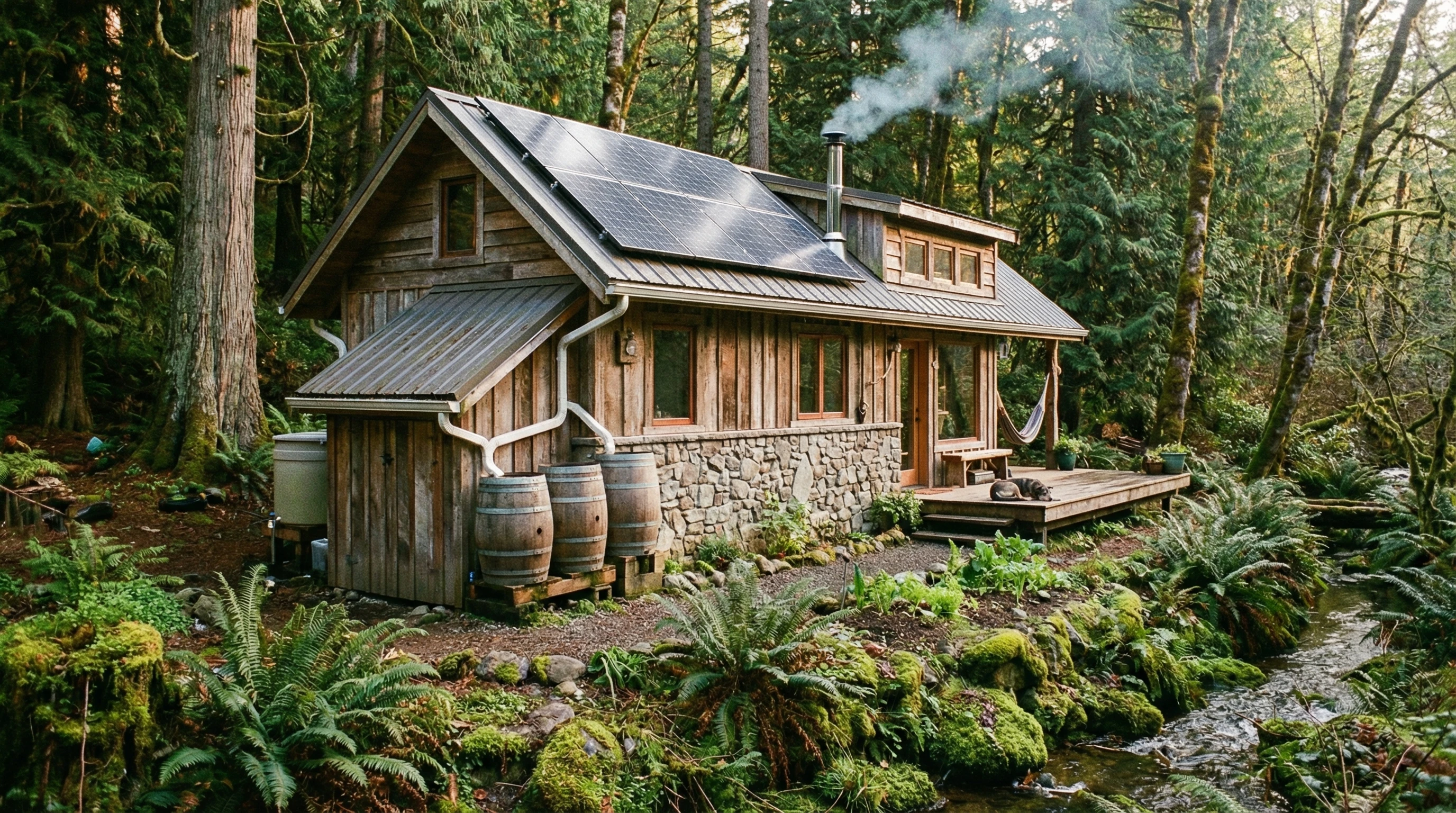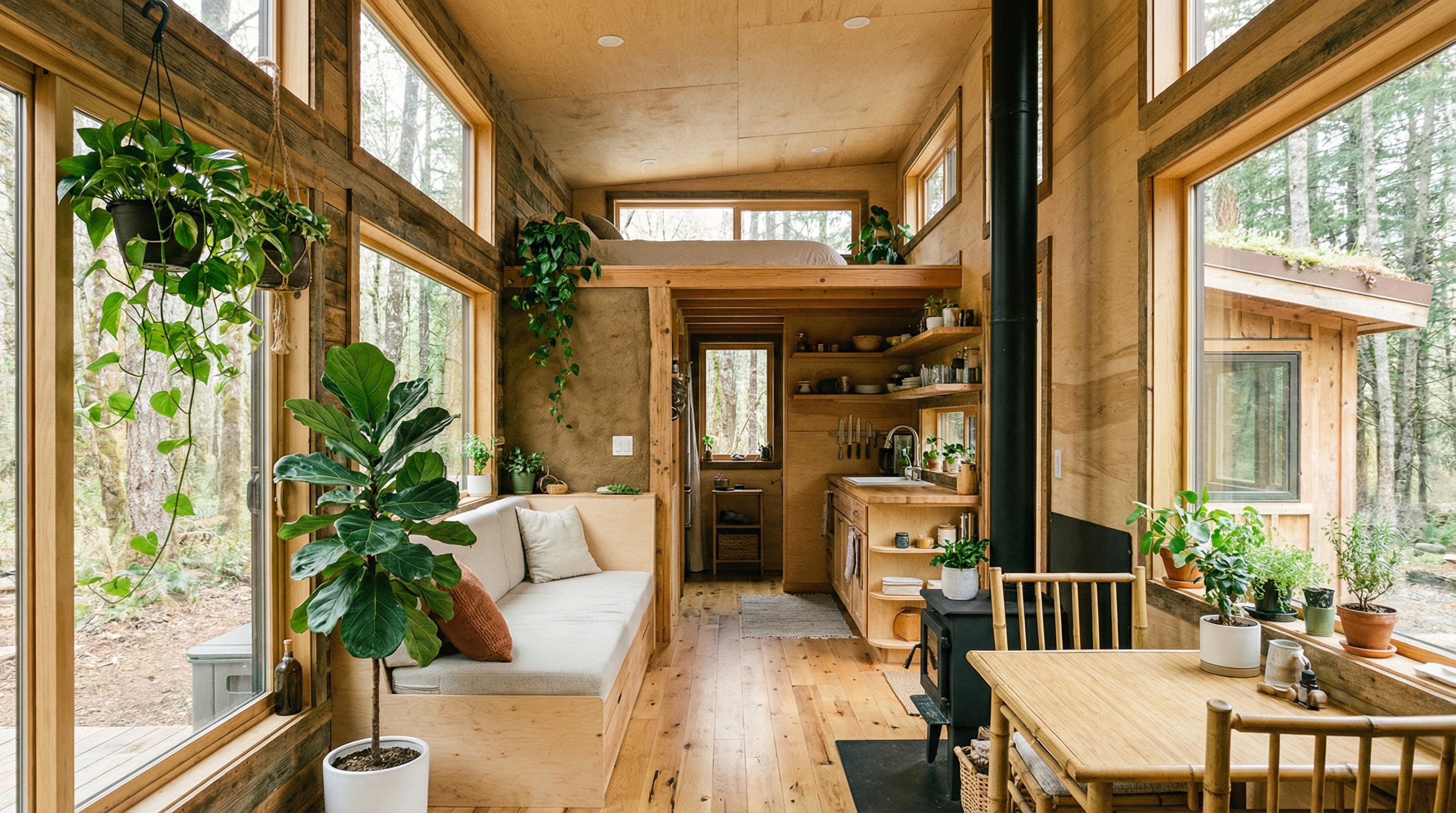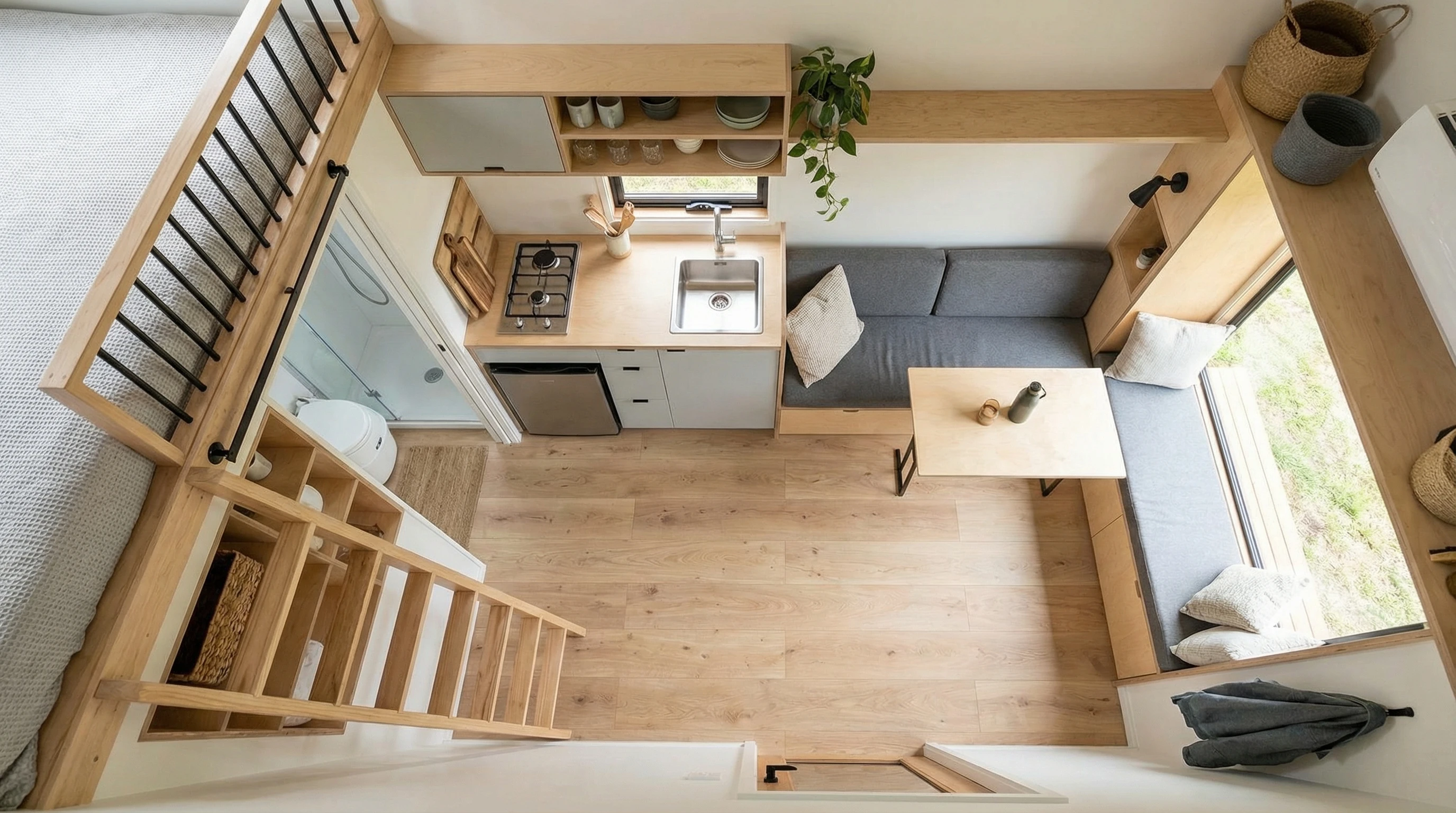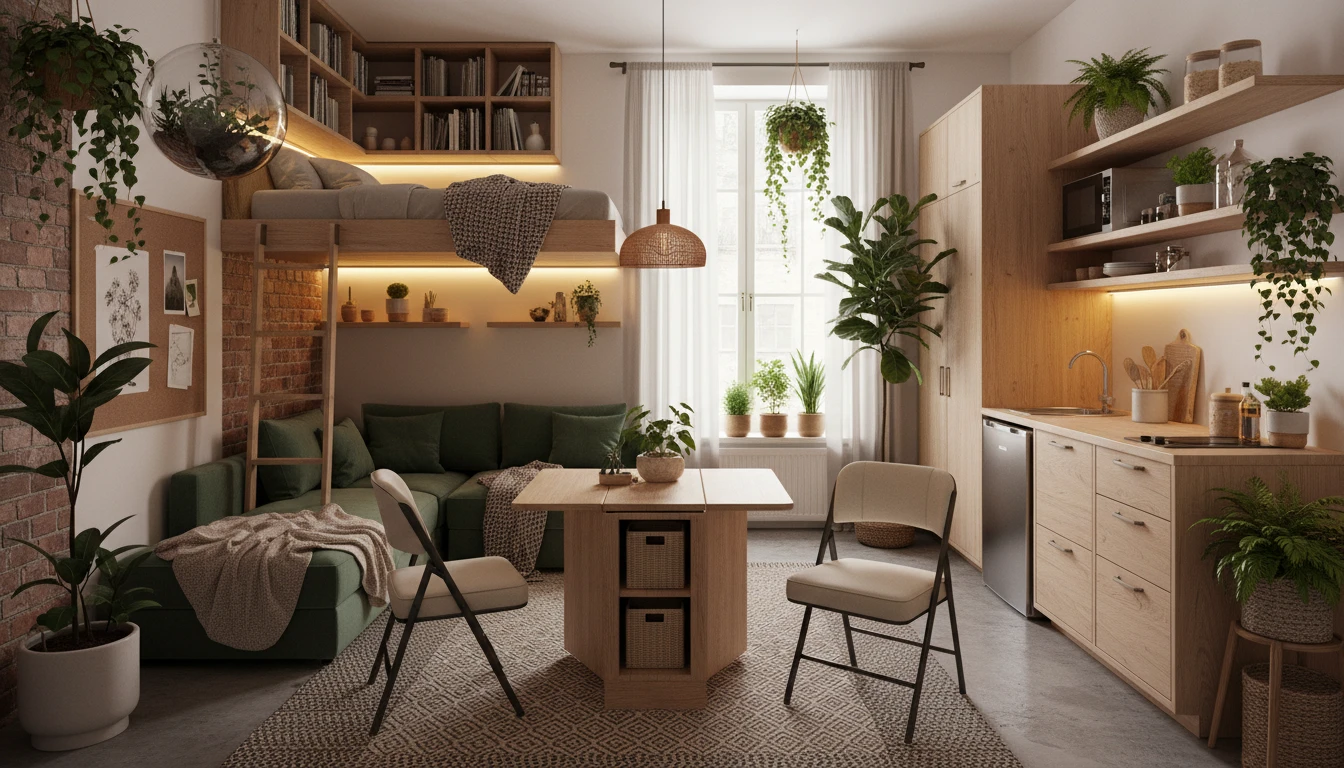

Building your own tiny home seems like an adventure, right? But it’s not just about the thrill of DIY or the end product being exactly how you want it. Doing it yourself can also be way cheaper than buying a ready-made tiny home. Buying a pre-built one might seem like you’re saving time, but the trade-off is usually higher costs. Plus, when you build, you get to pick every nail and board, which means you control the costs.
Checking out the numbers, if you’re crafty or handy with tools, you can shave off a significant chunk of change. Let’s say you source materials from local salvage yards or check out online marketplaces for what folks are offloading. It’s amazing what cast-offs can turn into when you put your personal touch on them. Building becomes more affordable and you get a unique tiny home.
Community resources can be your best pals here. Some towns have workshops where you can learn building skills, often for free or cheap. Not to mention, you can pool resources with others in these networks to buy supplies in bulk, which can save you even more.
If you’re rolling up your sleeves, trying to decide between screws and nails and figuring out which plywood is a good choice, you’re in total control of the project’s budget. That’s a major win if you’re trying to keep costs down. Just be sure to double-check local building codes to keep your project on the right side of the law.
Navigating Regulations: Building a Tiny Home in Pennsylvania
Tackling the legal side of building a tiny home in Pennsylvania might seem daunting, but it’s totally doable. The key is knowing the rules before you even lay that first brick or hammer that first nail.
Pennsylvania has its own unique set of zoning laws and building codes that can vary from one area to another. Typically, tiny homes aren’t always welcomed with open arms under traditional home-building codes, so it’s crucial to dig into your local ordinances. Some places might categorize them as RVs or accessory dwelling units, which can dictate where you put things like your plumbing and electrical.
Before starting, it helps to chat with local zoning offices. They can provide specifics on what’s required and how tiny homes are classified in your neighborhood. Consider this your DIY reconnaissance mission.
Certain areas in Pennsylvania, like Philadelphia, are warming up to the tiny house trend. These hotspots might offer more flexibility or even specific initiatives for tiny home communities. Always worthwhile to see if your future tiny home can nestle down there.
Hearing from people who have already made it happen is incredibly helpful. Folk who have navigated this before can offer insights into permits, inspections, and those quirky little regulations you might not even think about.
Trust me, going through all this upfront can save you major headaches down the line, ensuring your cozy little spot is not just a dream but a perfectly legal home to enjoy.
Building a Budget-Friendly Tiny Home: Is It Feasible Under $5,000 or $10,000?
Dreaming of a tiny home but on a shoestring budget? You might be asking if building one for just $5,000 or $10,000 is even possible. Well, with the right approach, it can be. The biggest factor is smart planning and a willingness to get creative.
One way to tackle these low budgets is by repurposing and upcycling materials. Head over to recycling centers or even check out online platforms where people give away useful materials for free. Pallets, reclaimed wood, and even old windows can be transformed into beautiful parts of your home.
Another clever trick is doing as much of the labor yourself. Labor costs eat up budgets fast, so if you’re handy or willing to learn some new skills, that’s a huge saving right there.
There are plenty of folks who’ve built tiny homes without breaking the bank. They’ve done it by embracing simplicity in design. Smaller spaces naturally require fewer materials, and sticking to the essentials can make your construction dollars stretch further.
Potential trade-offs are part of the deal too. Going super-cheap might mean minimalistic design choices or sacrificing a bit of style for functionality. Keep those priorities in check and remember, every compromise should align with what matters most to you in your tiny home journey.
But don’t overlook hidden costs like permits or utility hookups. They can sneak up and take a big chunk out of your budget if you’re not prepared. Do your homework and plan for these to stay on track financially.