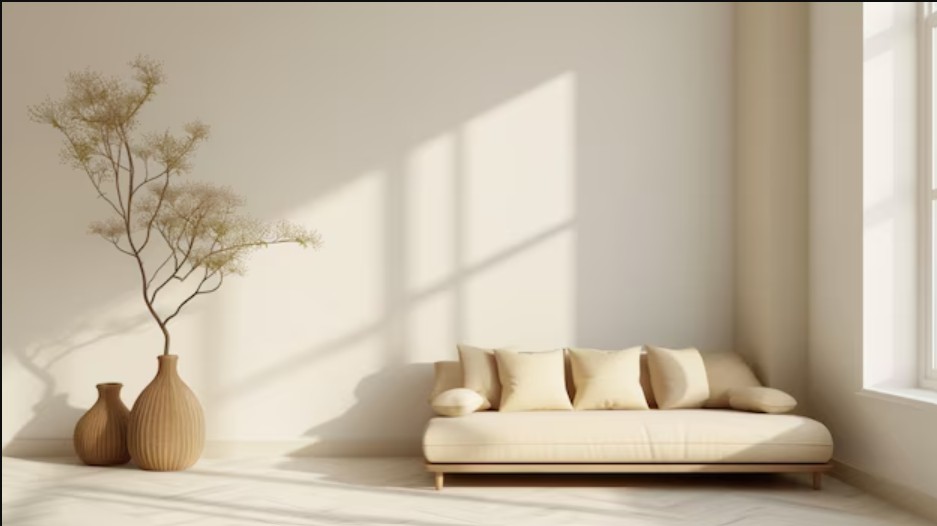
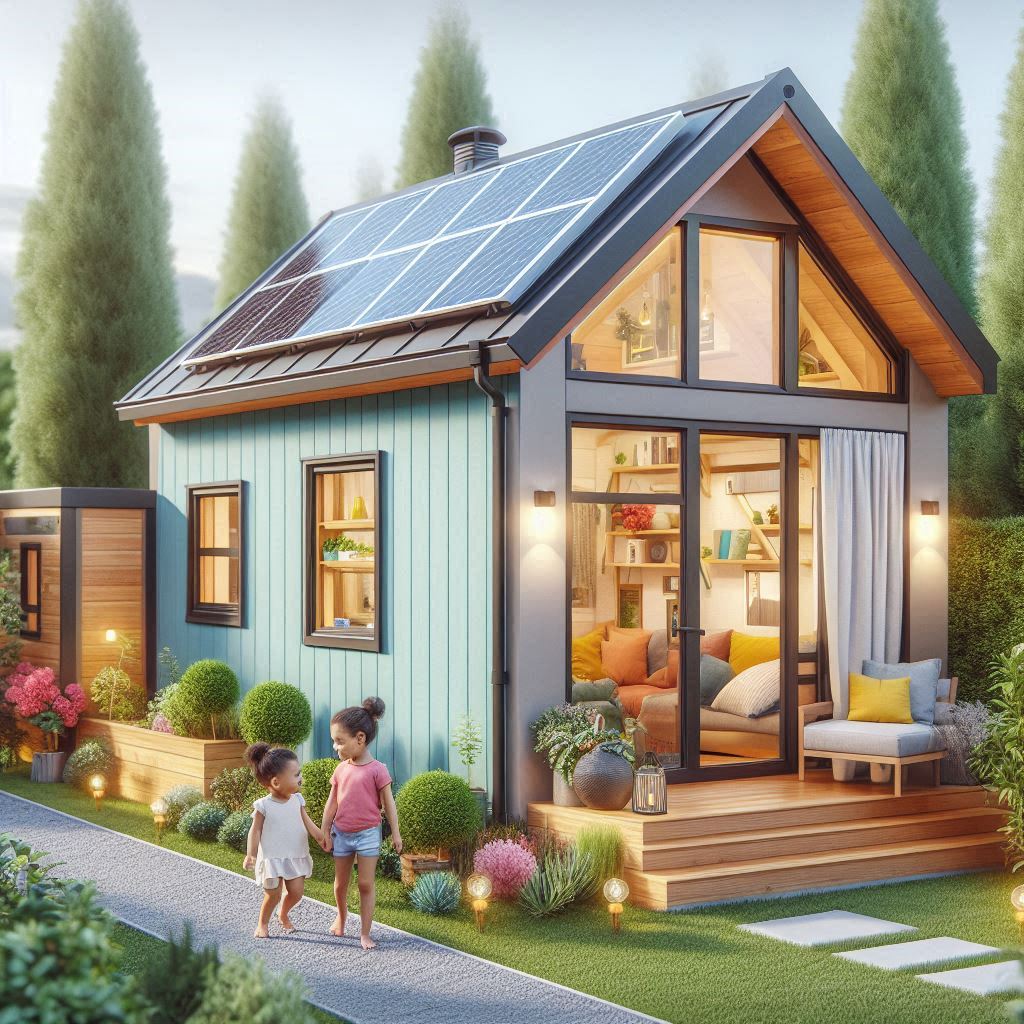
Tiny House Living For Families

Tiny houses have been creating quite the buzz lately. Forget the conventional mansion or suburban but the cozy, adaptable world of tiny houses. These compact homes pack a punch with their simple yet efficient design, making them appealing to families looking to declutter and live purposefully.

So, what qualifies as a ‘tiny home’? These are structures typically smaller than 400 square feet, focusing on efficient use of space and sustainability. The amenities can vary widely, from basic necessities to fully decked-out smart home features, suitable for a range of family needs.

But why are families diving into tiny house living? There’s a lot on the plus side – reduced living costs, less clutter, and more quality time. Imagine cutting your utility bills drastically while spending more evenings playing board games instead of cleaning.

Of course, it’s not just a walk in the park. Families in tiny homes face unique challenges. Ensuring everyone gets enough personal space and dealing with the lack of traditional storage can be tough nuts to crack. But with smart planning and creativity, these challenges can often become opportunities for bonding and innovation.

Is Tiny House Living Realistic for Families with Kids?

Living with kids in a tiny house might seem like trying to fit a jigsaw piece where it doesn’t belong, but it’s all about creativity and smart planning. Making the most of limited space requires some ingenuity. Think in terms of multifunctional furniture — beds that fold into walls or storage that doubles as seating. It’s amazing how little changes can make a huge difference!

Privacy is often a big question. Anyone with kids knows how precious those few moments of peace can be. The trick lies in creating little personal havens, even in a small space. Curtains, bunk beds, or clever room dividers can carve out personal zones for everyone to retreat to.

Daily life in a tiny house involves some unique dynamics. Preparing meals might turn into a family event, or breakfast could become breakfast on the go. With smaller spaces, housework gets simplified, giving the family more time to spend together on what truly matters, like playing catch outside or reading bedtime stories.

Meeting new friends or engaging in community kids’ activities often extends beyond the walls of the house. Kids adapt surprisingly well, especially when their world inside the tiny home is just a part of a bigger world outside filled with nature walks or visits to the park. After all, home is not just four walls, but a launchpad to explore!

Financial and Legal Considerations for Families

When it comes to financing a tiny house, families have a couple of options up their sleeve. Traditional mortgages aren’t always on the table due to the unconventional nature of tiny houses, but personal loans, RV loans, or tiny home-specific loans can step in to save the day. Keeping an eye on interest rates and loan terms is key to making a smart financial decision.

Whether to own or rent is another big decision for families considering tiny homes. Ownership offers stability and control, but renting can provide flexibility, especially if families are still testing the waters of this lifestyle. Renting can also be a good choice in areas where tiny houses face legal restrictions.

Speaking of legal stuff, the rules about tiny houses can vary dramatically from state to state. It’s crucial to dig deep into zoning laws and building codes in your desired area. Some places are tiny home-friendly, while others require a bit of navigating through red tape. Always make sure that your home is compliant to avoid future legal hiccups.

Understanding these legal and financial aspects helps families make informed decisions on whether tiny living can fit their lifestyle. Every family’s situation is unique, and considering both the benefits and restrictions is a surefire way to steer your new lifestyle in the right direction.

Adapting and Thriving: Sustainability for Families in Tiny Houses

Kids have a knack for adapting to new environments, and tiny living is no exception. While a smaller space might initially seem daunting, children often find it exciting, enjoying the cozy nooks and unique setups. For little ones, a tiny house can feel like the ultimate fort, packed with adventure at every corner.

As families grow, the question of sustainability pops up. Can such a compact space accommodate a growing family? The answer lies in flexibility. Many tiny house designs offer modular solutions, allowing families to expand with innovative additions or reconfigure spaces as needs change. The key is in designing a home that can evolve alongside the family.

Living tiny often encourages a minimalist lifestyle naturally. With limited space, families tend to focus more on experiences rather than accumulating stuff. It’s a shift that not only eases the clutter but also fosters a more meaningful way of living, prioritizing human connections over material possessions.

Additionally, embracing a tiny house lifestyle can be a greener choice. With reduced energy consumption and a smaller footprint, tiny homes tend to have less environmental impact. It’s an opportunity to teach kids about sustainability and the importance of being mindful of our resources.

Tiny living also opens doors to a blend of indoor creativity and outdoor exploration, encouraging families to partake in activities that extend beyond their four walls. Whether it’s growing a small garden or venturing into local parks for weekend hikes, the limitations of a tiny house often propel families to dive deeper into communal and nature-oriented experiences.
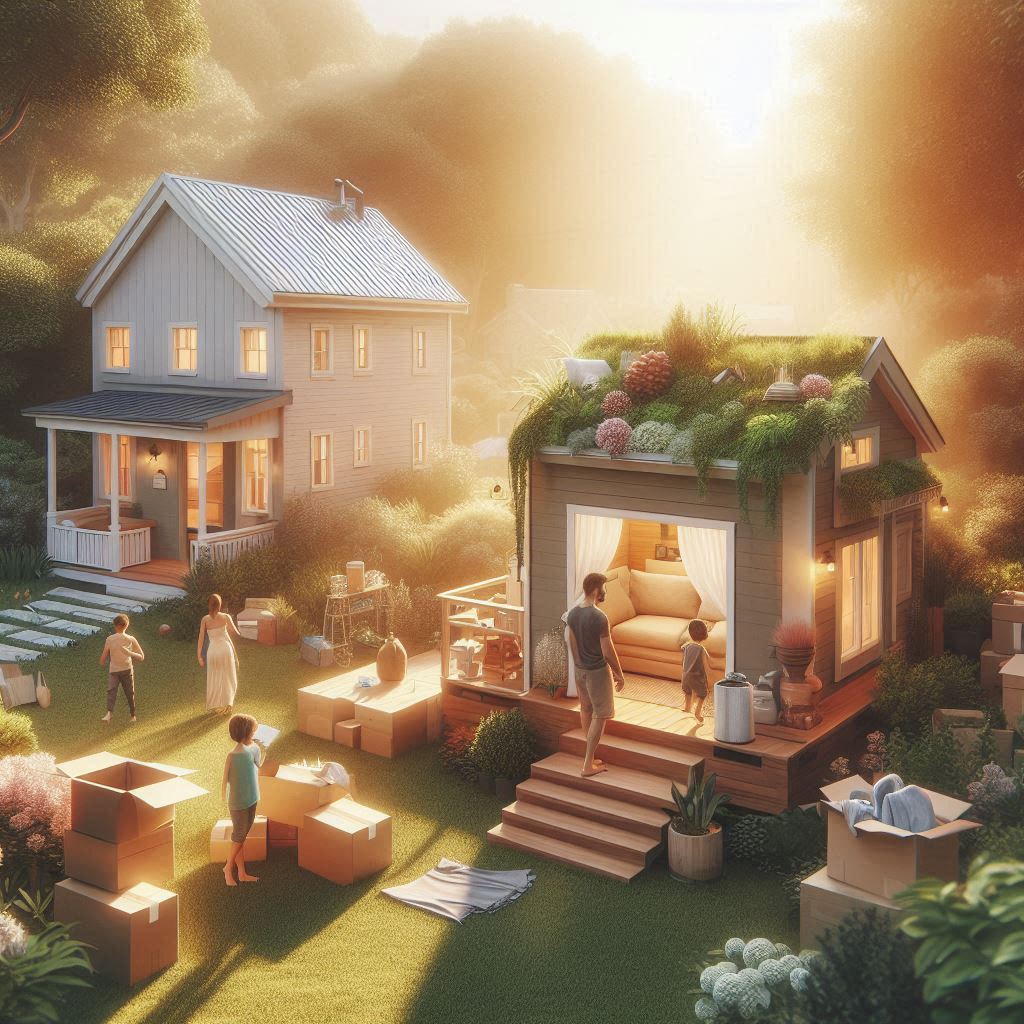
Family Home To Tiny House Journey

Jumping from a family home to a tiny house might feel like trading in a mansion for a matchbox. But for many, this transition promises a life that’s richer in experience rather than possessions. People often find themselves drawn to tiny houses for their simplicity and the freedom they provide from clutter and chaos.

First off, let’s look at the motivation behind this lifestyle change. It’s more than just a space swap. Many people are yearning for less responsibility strapped to a big house and more time for adventures and personal growth. Less stuff often means less stress, and a tiny home forces you to focus on what really matters. It’s about embracing a minimalist lifestyle, living within your means, and reducing your carbon footprint without sacrificing comfort.

Now, transitioning to a tiny home isn’t just about taking a leap of faith—it’s about gradual adaptation to a whole new way of living. For instance, you learn to get creative with storage, prioritize needs over wants, and find joy in multifunctional furniture. Meet small space challenges with big ideas.

The appeal of tiny homes today is undeniable. Many view it as a solution to financial burdens tossed up by the traditional housing market. With rising costs and stagnant wages, a tiny house offers an affordable, flexible housing option.

Join the tiny house craze not just for its trendy appeal. It’s about gaining a deeper connection to your surroundings, reducing your environmental impact, and fostering a sense of community—all while learning to savor life’s simple pleasures.

Decoding the Realities and Expectations of Tiny Living

The charm of downsizing can wear thin when conversations about tiny homes start circling myths, especially when it comes to big life changes like divorce rates. There’s a rumor out there that tiny homes spike divorce rates, but numbers to back that up are scarce. Relationship dynamics in close quarters are definitely tested—patience and communication become your new best friends.

Tiny living does, however, come with real downsides worth considering. The lack of space can be a stressful adjustment, especially if you’re used to sprawling rooms and open landscapes. Privacy gets a whole new meaning when there’s barely any. Zoning laws can throw a wrench in your plans since some areas might not even allow you to park a tiny home legally. When it comes to resale value, tiny homes can be a gamble as well; they don’t always retain value as their bigger counterparts do. Limitations on expansion mean what you see is what you get, with little room—or possibility—for growth.

You might be wondering what’s next after you’ve embraced and possibly outgrown tiny living. For some, the next step up from a tiny home isn’t necessarily a return to a traditional house. It could be a slightly larger minimalist residence or even joining a co-housing community for shared living and expenses. The transition is as personal as the decision to go tiny in the first place. It’s all about finding what suits your evolving lifestyle and circumstances.

Navigating the Legal and Financial Landscape of Tiny Homes

When you’re ready to roll with your tiny house dreams, knowing where you stand legally and financially is critical. Not all US states welcome tiny homes with open arms, but a few are paving the way with enticing offers. States like Vermont, Kansas, and Alabama have been known to encourage tiny home builds, providing incentives aimed at boosting local development and housing variety.

Financial planning when it comes to tiny houses needs careful thought. Sure, the initial cost can be way lower than a standard home, but don’t forget about hidden expenses. Zoning laws can add unexpected costs, and securing financing might be tricky since many tiny homes don’t qualify for traditional mortgages. Dig into local zoning regulations to ensure your plans won’t be stalled by legal barriers. You might need to consult a legal expert who can guide you through registration, insurance, and land use restrictions.

Remember, choosing the right location isn’t just about legality; it’s about finding a community where tiny living is embraced. Research thoroughly to spot tiny house-friendly areas that offer a balance between legality and lifestyle. Don’t skip on scouting for places where your tiny dream can thrive alongside a welcoming community and practical amenities.

If going tiny is calling your name, embrace it with eyes wide open. Financial foresight, legal know-how, and a clear vision of what you want out of this lifestyle change are your best allies. It’s about weighing the challenges against the newfound freedom and deciding what makes your heart skip a beat.

Family Tiny House Success Stories

Tiny houses have sparked a revolution, offering a refreshing alternative to traditional living spaces. For families, these compact, efficient homes don’t just cut costs; they redefine what it means to live comfortably and sustainably. A look into real-life successes shows the powerful ways families make it work.

Take the Johnsons, for instance. Moving from a spacious suburban home to a 200-square-foot house on wheels, they embarked on this journey to eliminate debt and retire early. They didn’t just downsize their belongings—they downscaled their way of life, prioritizing meaningful experiences over material possessions. Now, they spend more weekends camping and hiking with their kids, celebrating the newfound financial freedom.

Customization plays a massive role in how families thrive in tiny homes. The Smiths designed their space with an ingenious slide-out bed that converts into a workspace during the day. This kind of flexible design ensures every inch of the home serves a purpose while accommodating the dynamic needs of a family. Creative solutions like these make tiny homes not just livable but lovable.

Besides the financial and spatial creativity, families often find emotional rewards. Living in close quarters has helped the Mendez family communicate better and strengthen their bonds. Without space for emotional or physical distance, they talk more, laugh more, and argue less. It’s a return to simpler joys that feels like a hug from the past.

One quote that sticks with me comes from the Parkers: “In our tiny home, life feels big.” It’s a testament to how less can truly be more when it helps amplify what genuinely matters—whether it’s shared family time, personal growth, or just simpler living.

Common Challenges and Mistakes in Tiny House Living

Every adventure has its bumps, and the tiny house journey isn’t without its challenges. A few common pitfalls can make or break the experience, particularly for families trying to squeeze the most out of minimal space.

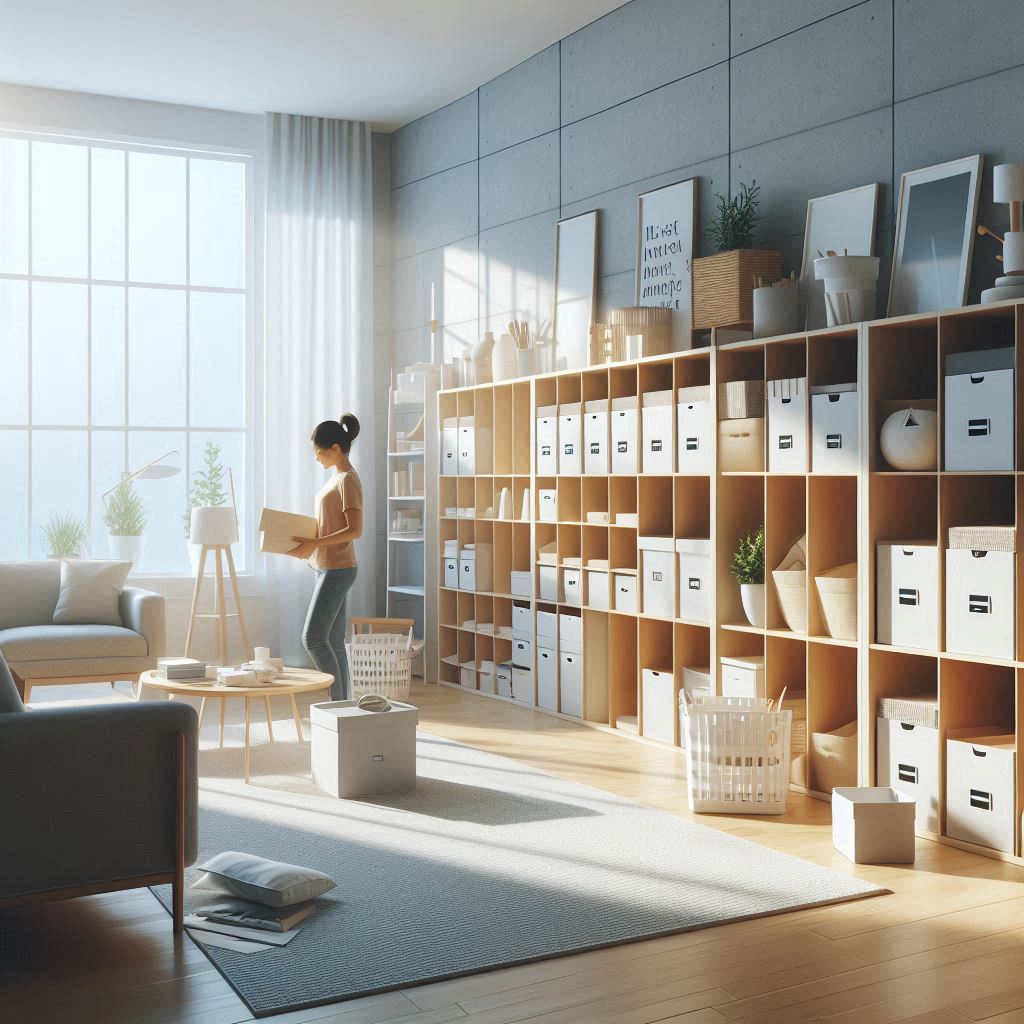
One glaring mistake many make is underestimating the importance of storage. It’s crucial to brainstorm smart storage solutions right from the get-go. Missing this can mean constant clutter frustration. Think vertical—shelves and hooks can be lifesavers.

Legal hurdles can also trip up the tiny house dream if you’re not careful. Zoning laws and building codes vary greatly by area, and not doing the homework can lead to serious legal hassles down the road. Checking local regulations beforehand can save a lot of headaches.

Navigating emotional challenges is another biggie. Sharing a small space could magnify tensions if everyone doesn’t find their groove. Creating designated ‘me-time’ zones—even if they’re just a reading nook or a small balcony—can make a world of difference.

Word on the street is that even Elon Musk has dipped his toes in the tiny house world, offering a unique take on the blending of lavish and cozy. If a billionaire can find balance in tiny living, it invites a fresh perspective on minimizing excess while maximizing function.

Future of Tiny Homes: Longevity and Market Trends

Tiny houses aren’t just a passing fancy—they’re here for the long haul. While the hype may ebb and flow, the core perks of minimalistic living and sustainability keep their charm intact. With changing lifestyles, environmental concerns, and economic shifts, tiny homes remain a compelling choice, especially looking into 2025.

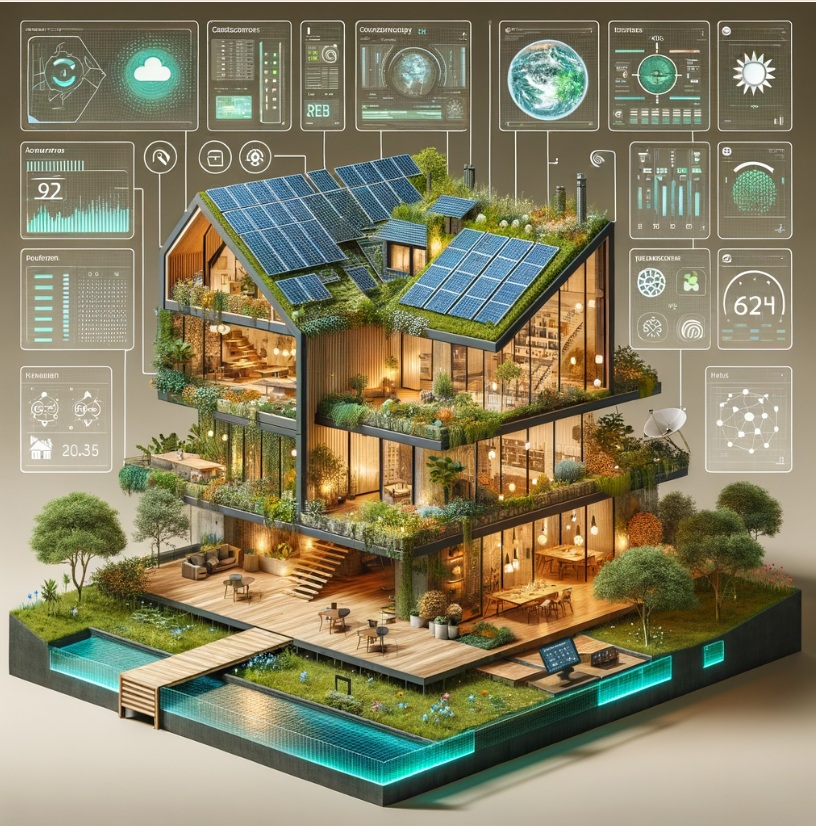
A big draw of tiny homes is their eco-friendly footprint. Many are built with sustainable materials, equipped with solar panels, and use rainwater collection systems. This green slant makes them appealing for eco-conscious families looking to shrink their carbon footprint.

The average lifespan of a tiny home generally mirrors that of your typical house, provided they’re well-constructed and regularly maintained. Quality materials and proper care can keep these small spaces cozy for decades.

Technological advances are steadily raising the bar for tiny homes, too. With innovations in energy efficiency, off-grid capabilities, and smart home technology, tiny houses are becoming mini powerhouses of comfort and convenience.

Experts predict that as more people look to simplify their lifestyles, the interest in tiny homes will keep growing. Whether as primary residences or additional backyard retreats, they’re a flexible, resourceful solution for modern living. So, investing some time in understanding the potential of tiny homes might just open doors to a more sustainable, adventurous way of life.

How To Declutter Your Space

Clearing out space isn’t just about tossing things aside. It’s a way to lighten the mental load and breathe easy in your own home. Clutter can be a sneaky thief, robbing us of our headspace without us even noticing. Addressing this isn’t just about tidiness—it’s about lifting an invisible weight off your shoulders.

Our living environments can say a lot about our inner state. When the space around us gets cluttered, it might mirror the chaos we’re feeling inside. Think about how much better you feel when you sit down in a tidy room. That sense of calm is no accident. By making deliberate choices to cut down on clutter, you’re prioritizing your well-being, not just tidying up.

There’s an interesting concept called the 80/20 rule, mostly used in business but very applicable here. It’s about understanding that a small portion of your space—around 20%—is where the most lived-in activities happen, and focusing on decluttering this busy space can have a huge impact. The idea is to maximize the use of that 20% so you spend less time stressed about the remaining 80% of stuff you probably never use.

I’ve seen firsthand how life-altering getting rid of excess can be. Some folks find peace after decluttering, feeling they are no longer drowning in stuff. By trimming the excess, you can clear a path to what truly brings you joy and make room for that stuff instead.

Spotlight on Popular Decluttering Techniques: Finding What Works for You

Finding a decluttering method that clicks with your lifestyle can make all the difference. Each person has a unique way of interacting with their space, and thankfully, there’s no shortage of strategies to help you decide what stays and what goes.

Starting with the 5 5 5 rule, it’s simple yet effective. You’ll identify five things to donate, five to trash, and five to return to their rightful place. It gets you moving without feeling overwhelmed, a bite-sized approach for those who prefer a little structure without a huge commitment.

The 333 rule will resonate with anyone ready to declutter their wardrobe. It’s about choosing 33 items to wear over a period of three months, excluding basics like undies and workout gear. This approach helps you figure out the clothes you truly love, and there’s something freeing about knowing exactly what’s in your closet.

Another gem is the 10 10 10 rule. It’s a fun game of sorts, recommending you find ten items to throw away, ten to donate, and ten to put back where they belong. It’s perfect when you’re in the mood for a quick, productive session that still packs a punch in the fight against clutter.

Picking a method that feels right depends on your personal rhythm. What sparks motivation in you? The key is to experiment, try a little of each, and see what’s fun and rewarding. Each technique offers different perks. Some are quick and engaging, while others might lead to more profound changes in how you view your space as a whole.

Step-by-Step Guide to Crafting Your Decluttering Strategy

Taking that first step in decluttering can be the hardest, especially if your stuff feels like it’s got a life of its own. Start by giving your space a once-over to see where things get most chaotic. Focus energy on high-traffic areas where clutter might disrupt your daily groove.

Next, map out a few goals. Want a serene bedroom? An organized kitchen? Focus on getting a specific vision for a room, rather than tackling everything at once. This helps to break things down into smaller, more manageable projects and keeps motivation high.

Organizing by category rather than room is a game-changer. When you pull everything out, it’s easier to spot duplicates or items that don’t quite fit into your lifestyle anymore. Be bold about purging things that don’t spark joy or serve a purpose. When tackling sentimental items, remind yourself that it’s about preserving memories, not just stuff.

The idea is to declutter once and sustain those results. Building new habits like practicing nightly five-minute tidy-ups or setting occasional “edit” days on your calendar can keep clutter at bay. Make it part of the rhythm of life rather than a once-in-a-blue-moon marathon. This turns decluttering into a habit, not a chore.

Tools, Tips, and Communities: Supporting Your Decluttering Journey

Having the right tools can make decluttering feel more like a breeze than a battle. Apps like Sortly or Home Inventory can help keep track of what you have and where it goes. These digital helpers can give you a visual overview of your belongings, perfect for organizing or planning your next donation run.

Support can be a game-changer. Online communities and forums are a treasure trove of tips and motivation. Spaces like Reddit’s declutter subreddit or Facebook groups dedicated to minimal living offer real-world advice from folks on this journey too. Getting involved in discussions can spark fresh ideas and help you stay on track when motivation dips.

If you’re sharing your home with others, involving them in the process can transform the dynamic of the household. Turn it into a weekend challenge or a fun family project. Reward yourselves with something special once a big task is completed—maybe a homemade pizza night or a movie marathon.

Seeing how others have tackled their clutter can be truly inspiring. Personal stories of transformation highlight the emotional release that can come after letting go. Testimonials show it’s not just about less stuff, but gaining more clarity, freedom, and happiness in your space.

Tiny Home Construction Costs Breakdown

When talking tiny houses, the trailer is usually where a big chunk of your budget goes. This isn’t just a piece of metal to wheel your new home away on. It’s gotta be sturdy and reliable, often custom-made to handle all that living space. Think about the cost of the dual axles, heavy-duty brakes, and the overall framework. That’s not cheap, but it’s essential to support your future home safely.

Insulation is another key player in this budget breakdown. Keeping your tiny home cozy or cool, depending on the weather, requires high-quality insulation. This might surprise you, but good insulation can actually save you heaps in heating and cooling costs later on. Plus, it’s crucial for maintaining a comfortable living environment no matter what Mother Nature throws at you.

If you want your tiny house to be the envy of every other tiny house enthusiast, the finishes and custom fixtures tend to hike up the budget too. Think about sleek countertops, energy-efficient windows, or a fancy fold-away bed. Yep, these touches are pricey, but they transform a box on wheels into a real home that reflects your style and comfort needs.

Now, let’s chat innovative designs for a second. You’d be amazed at how clever design choices can cut costs. For instance, using multi-functional furniture or simplifying the layout can let you save without compromising the essentials. This requires a bit of creativity and willingness to stray from traditional layouts, but hey, that’s part of the fun with tiny homes!

The trade-off between quality and cost is real. I mean, you could go for cheaper materials and skip certain features, but it might come back to bite you in future repairs or replacements. Investing in quality where it counts, like in the trailer and insulation, is pretty much always money well spent. It’s all about being smart with where you choose to splurge or save.

Uncovering the Hidden Costs of Building a Tiny Home

Building a tiny home? It’s important to look beyond the obvious expenses. One of the sneakiest costs comes from permits and zoning regulations. Every place has its rules, and not abiding by them can lead to fines, or worse, having to redo parts of your build. These permits aren’t always cheap, and the process can be time-consuming and frustrating, so plan ahead.

Another undercover cost is land preparation. Your dream may be to nestle that tiny house in a picturesque meadow or rugged woodland, but it’s rarely as simple as parking it there. You might face costs for leveling the land, installing foundations or supports, and even putting in driveways or access roads if it’s a more secluded area.

Setting up utilities can also run up unexpected expenses. Connecting to water, electricity, and wastewater systems can be challenging and pricey, especially if your plot is off the beaten path. Even solar panels and off-grid solutions, while sustainable, have their upfront costs and technical requirements you need to consider.

Insurance is vital to shield your investment from unexpected mishaps. That tiny house might be quaint, but you’ll still need coverage against damage, theft, or any accidents that might happen. Pro tip: shop around for policies tailored for tiny homes. They do exist, and they could save you a lot of headaches.

Repairs and maintenance costs can sneak up too. While often touted as low-maintenance, tiny homes can still fall victim to wear and tear or perhaps a little design mishap. Little things like resealing windows or repairing a roof section add up over time. It’s wise to allocate a buffer in your budget to cover these as they arise.

Real-life stories from tiny home owners often underline the importance of factoring in these hidden costs from the get-go. Forewarned is forearmed. It’s all part of ensuring that life in your tiny home stays carefree and delightful.

Is Building a Tiny Home Worth the Investment? An Analysis of Overall Costs

The burning question on everyone’s lips: How much does it actually cost to build a tiny home? On average, building a tiny house can set you back anywhere from $30,000 to $60,000, depending largely on customization and materials. But, this is a ballpark figure. Some folks have managed to create a minimalist sanctuary for less, while others have invested significantly more to suit their tastes and comfort level.

When you’re weighing whether to build or buy, customization is a pivotal factor. Building from scratch lets you make the space unmistakably yours, from the layout to the finishes. But, get ready for the commitment—not just financially but in terms of time and effort. The more you tailor your tiny house, the more potential costs could creep in. On the flip side, buying a pre-built model offers convenience and a potentially quicker move-in, as long as you’re okay with a more standardized design.

Many people assume that DIY can dramatically reduce costs, but it isn’t always the case. Without expert help, some things could go awry, racking up costs for redos or repairs. Professionals like builders and electricians are valuable; they bring peace of mind, along with budget and time management to the table.

Looking long-term, building a tiny home brings some financial perks. Regular maintenance costs are typically lower compared to a traditional home, and utilities can be minimal if designed efficiently. Not to mention, a custom-built tiny home can appreciate in value if the time and craftsmanship make it attractive to future buyers.

In the grand scheme of things, whether building a tiny home is ‘cheaper’ isn’t just about upfront costs—it’s more about the lifestyle and the financial return on longevity and satisfaction. It’s essential to weigh these pros and cons, considering your personal circumstances and future plans. Building a tiny home has its challenges, but it can offer rewards, both financially and emotionally, that make the journey worth every penny.

How Much Tiny Homes Cost Now

Tiny homes have been a buzzword for quite some time now, and if you’re curious about the 2025 price tag, brace yourself for some fascinating insights. In 2025, tiny homes cost anywhere from $30,000 to a whopping $150,000, depending heavily on various factors like location and design.

Living in a tiny home offers lots of flexibility, but it’s not without its complexities. The average price fluctuates based on materials, tech advancements, and economic shifts. For example, those eco-friendly solar panels and high-tech insulation options might bump up the price, but they also save you a load of cash on utilities in the long run.

The housing market’s been on a wild ride post-pandemic, impacting costs. Labor shortages, inflation, and supply chain issues can make you scratch your head when comparing today’s prices with those from a few years back. It’s essential to keep an eye on these trends and consult with tiny home builders to get your dollars’ worth.

Thinking about location? Well, the spot you choose can significantly affect your budget too. Urban areas usually drive up costs, while rural settings can be a more wallet-friendly choice. And if you’re someone who loves lots of custom features, be ready to dig a bit deeper into your pockets. Customization can make these small homes surprisingly pricey, but hey, if it means getting your dream home, it might just be worth every penny.

Regulations on Tiny Homes in Maryland

In Maryland, tiny homes come with their own set of rules, and knowing them is crucial for anyone dreaming of downsizing in the Old Line State. The good news is, yes, Maryland does allow tiny homes, but the regulations can twist and turn, depending on which county or city you’re eyeing.

Zoning laws in Maryland play a huge role in how tiny homes can be used or set up. Some areas welcome these mini marvels with open arms, while others might have stricter guidelines. It’s all about where you plan to park your little abode. If you’re dreaming of a tranquil tiny home community, places like Frederick County could be your go-to, as they’re a bit more flexible.

Given these zoning challenges, it’s smart to connect with local planning boards or tiny home associations in Maryland to get the lowdown on what’s allowed and what flies in the face of regulations. This is especially important if you’re looking to build from scratch or set up something permanent.

While some hurdles exist, there’s also a good amount of opportunity. Tiny homes can serve as accessory dwelling units or backyard additions in more progressive areas, meaning you can possibly live near big city amenities without the big city headaches. Navigating these regulations might seem daunting at first, but with the right info and local contacts, making your tiny living dream a reality in Maryland isn’t as far-fetched as it seems.

Building vs. Buying Tiny Homes: What’s More Cost-Effective?

When it comes to tiny homes, you’re often caught in a financial debate: to buy or to build? Let’s break it down. If you lean towards buying, you’re looking at the instant benefit of convenience but possibly a heftier price tag if it’s pre-furnished with the latest gadgets.

Building, on the other hand, can save you money if you play your cards right. By sourcing materials yourself and getting creative with space-saving designs, you could end up with a budget-friendly dream home. But, it requires patience and sometimes a serious DIY spirit.

In 2025, tiny homes are still all the rage. People love them for their eco-friendly potential and the cozy minimalist lifestyle they offer. This continued popularity keeps both building and buying options competitive. Builders are pushing for greener practices and innovative designs to cater to this market demand.

Wondering where you might save the most? Consider going the builder route if you’re after a unique space tailored perfectly to your needs. But if time and headaches are more of a concern, buying might be your best bet, even if it costs a bit more upfront. It’s always about weighing your priorities against your budget.

Remember, whether you’re buying or building, staying informed and talking to experts can help steer you in the right direction. With the right approach, your tiny house journey can be smooth sailing from dreams to reality.

Cost To Build Tiny Home 2026

Thinking about building a tiny home in 2026? First thing to know: prices can be a bit of a rollercoaster ride. In 2026, you’re looking at a range of about $40,000 to $100,000, depending on your style and taste.   A basic, no-frills setup might only set you back $40k, but if you’re dreaming of luxury touches, that price tag climbs.  If you want a detailed, line-by-line look at where that money actually goes, check out our full tiny home construction costs breakdown

How Much Does a Tiny Home Cost Per Square Foot in 2026?

In 2026, most tiny homes cost between $200 and $400 per square foot, depending on materials, labor, and customization. Smaller DIY builds using standard finishes typically land closer to the $200–$250 range per square foot. Professionally built or luxury tiny homes with high-end finishes, energy-efficient upgrades, and custom layouts can reach $350–$400 per square foot or more.

For example:

  • A 200 sq ft DIY tiny home might cost around $45,000–$55,000

  • A 300 sq ft professionally built tiny home could range from $75,000–$100,000

Square footage alone doesn’t determine total cost — design complexity, plumbing layout, off-grid systems, and location all influence the final price. If you want to experiment with your own material and size combinations, try our DIY tiny home cost estimator. That’s why comparing cost per square foot is helpful, but not the full picture.

If you want a detailed line-item breakdown of where those dollars go, explore our tiny home construction costs breakdown.

Materials are a big cost driver.  You can also use our DIY tiny home cost estimator to plug in your own material choices and see how the numbers change.Want eco-friendly insulation and energy-efficient windows? Expect those to add up. But it’s not all about the materials; your location can also up the budget. Building in a metropolitan area? Get ready for steeper land prices and stricter regulations.  If you’re still figuring out your overall budget range, start with our complete guide on how much it costs to build a tiny home in 2026.

Besides the obvious things like materials and location, there are those sneaky costs. Permits, fees, and the big one – unexpected construction hiccups. Always tack on an extra 15% to 20% more than your estimated budget for unforeseen surprises.  And if you’re trying to reduce that total number, you’ll want to explore ways to build a tiny home cheap without cutting corners.Trust me, it’ll save you from unexpected headaches down the line.

Hidden Costs to Budget for When Building a Tiny Home in 2026

Even with careful planning, tiny home budgets can shift. Beyond materials and labor, here are common expenses many first-time builders underestimate:

  • Utility hookups – Connecting to water, sewer, or electrical grids can cost $2,000–$15,000 depending on distance and local infrastructure.

  • Septic systems – If building off-grid or in rural areas, septic installation can range from $3,000–$10,000.

  • Land preparation – Grading, clearing trees, or pouring a foundation can add several thousand dollars.

  • Transportation costs – If purchasing a pre-built tiny home, delivery fees can range from $1,000–$5,000 or more.

  • Insurance and inspection fees – Required inspections and coverage vary by region.

  • Custom storage and cabinetry – Built-ins often cost more than standard materials.

  • Upgraded insulation or HVAC systems – Especially important in extreme climates.

Planning for these costs early helps prevent budget overruns and keeps your build financially realistic.

DIY vs Hiring a Builder: What’s the Real Cost Difference in 2026?

One of the biggest cost decisions you’ll make is whether to build your tiny home yourself or hire a professional builder.

DIY Tiny Home Build

A DIY build in 2026 typically ranges between $40,000 and $65,000, depending on materials, finishes, and whether you already own tools or need to purchase equipment. The biggest savings come from eliminating labor costs, which can account for 30–50% of a professionally built tiny home.

However, DIY builds require time, construction knowledge, and careful planning. Mistakes in plumbing, electrical systems, or structural framing can increase costs if corrections are needed later.

Professionally Built (Turnkey) Tiny Home

Hiring a builder in 2026 generally costs between $70,000 and $120,000 or more, especially for custom layouts or premium materials. While the upfront price is higher, professional builds include:

  • Code compliance

  • Permit handling

  • Warranty protection

  • Faster completion timelines

  • Higher resale confidence

For many buyers, the added expense is worth the reduced stress and construction risk.

Which Option Is More Cost-Effective?

If your priority is minimizing upfront costs and you have the skills, DIY can be significantly cheaper. But if time, safety, and long-term resale value matter more, hiring a builder may offer better overall value despite the higher price tag.

Tiny homes aren’t just trending again in 2026 — demand is influencing pricing. As more people turn toward minimalist and energy-efficient living, material suppliers and builders are seeing increased interest in compact, high-performance homes. That demand affects labor availability, customization pricing, and the cost of premium upgrades.

At the same time, many buyers are prioritizing eco-friendly features like solar panels, advanced insulation, and off-grid systems. While these upgrades can raise the upfront cost, they often reduce long-term utility expenses. The renewed popularity of tiny homes means builders are offering more turnkey packages — but that convenience can come at a premium.

In short, the growing demand for efficient, sustainable housing is one of the key factors shaping tiny home costs in 2026.

Location, Location, Location: Where Can You Legally Build a Tiny Home in 2026?

If you’re itching to set up your tiny paradise, the first hurdle is all about the laws, and Maryland is a place to keep on your radar. This state is warming up to tiny homes, but it’s a patchwork of rules depending on the county. Some areas welcome these compact dwellings with open arms, while others still have a bit of catching up to do.

Maryland might be figuring itself out, but other states are rolling out the red carpet for tiny house enthusiasts. States like California, Oregon, and Texas are making it friendlier for these petite homes to sprout up. They’re offering more flexible zoning laws, which simplify the process considerably.

Every place has its quirks. Local regulations could add hoops to jump through depending on where you plant your roots. Zoning laws, building codes, and what even counts as a ‘tiny house’ can vary, sometimes from town to town. Always check the local regulations before buying any land or materials.

Navigating these legal waters might seem tricky, but a checklist can make it more manageable. Look into property zoning, building codes, and community covenants. Seek out a contractor with tiny house experience or even attend local council meetings for firsthand info. Being proactive here will save headaches later.

Making the Decision: Is a Tiny Home Right for You in 2026?

Saying yes to a tiny home isn’t just about ditching the clutter—it’s about embracing a whole new lifestyle. The allure lies in the simplicity of living with less, lowering living costs, and reducing environmental impact. But are you ready to trade square footage for freedom?

Personal motivation plays a big part. If you’re drawn to minimalism or keen on stretching your budget, a tiny home might just fit the bill. For some, the charm of compact living spaces is irresistible, while others find joy in the creative ways tiny homes look at interior design.

Consider the trade-offs. Sure, maintenance is easier, and there’s less to clean, but you might miss having a full-sized bathroom or regular closets. Hosting family gatherings could get tricky, too. Weighing the advantages against the limitations is crucial before making a decision.

Resources for enthusiasts are growing as tiny living takes off. From builders and nonprofits dedicated to tiny homes to online communities and support networks, finding guidance and shared experiences is easier than ever. These resources offer valuable insights and help when planning or troubleshooting.  Don’t forget to look into available grants and loans for tiny home builders, which can significantly offset upfront costs.

Explore frequently asked questions like: How do I choose the right design? How do tiny homes handle weather fluctuations? Can I insure my tiny house? These practical concerns are a chance to explore lifestyle nuances and understand the logistics before you take the plunge.  

What’s Driving Tiny Home Costs in 2026?

Several economic and industry factors are shaping tiny home prices in 2026:

  • Material pricing stabilization – While lumber and steel prices have stabilized compared to pandemic spikes, they remain higher than pre-2020 levels.

  • Labor availability – Skilled trades remain in demand, particularly in metropolitan regions, which increases professional build costs.

  • Energy-efficiency upgrades becoming standard – Buyers increasingly expect better insulation, solar compatibility, and efficient HVAC systems.

  • Zoning flexibility expanding in some states – While more areas are opening to tiny homes, regulatory compliance still adds administrative costs.

  • Increased customization demand – As the market matures, buyers want higher-end finishes and personalized layouts, pushing average prices upward.

Understanding these broader cost drivers helps explain why 2026 pricing may differ from previous years.

Frequently Asked Questions About Tiny Home Costs in 2026

Is it cheaper to build or buy a tiny home in 2026?
DIY builds are generally cheaper upfront because you eliminate labor costs. However, hiring a builder can reduce mistakes, speed up the process, and increase resale value. The best option depends on your skills, timeline, and risk tolerance.

How much does land add to the cost of a tiny home?
Land costs vary dramatically by region. In rural areas, land may cost under $10,000, while in metropolitan areas it can exceed $100,000. Utility hookups, grading, and permits can also add several thousand dollars.

Are permits required for tiny homes in 2026?
Most municipalities require permits if the tiny home is placed on a permanent foundation. Requirements vary by state and county, so always check local zoning and building codes before starting construction.

What are the biggest hidden costs when building a tiny home?
Common hidden costs include utility hookups, septic installation, driveway access, insulation upgrades, custom cabinetry, and unexpected construction delays. Budgeting an additional 15–20% is recommended.

Can you finance a tiny home build?
Financing options include personal loans, RV loans (for homes on wheels), construction loans, and in some cases specialized tiny home lenders. Availability depends on how the home is classified and local regulations.

How To Embrace Minimalism

Minimalism often gets tied up with having a tidy house or owning just a few things. But it’s more than clean lines and monochrome spaces. At its core, minimalism is about cutting out the excess to focus on what truly adds value to your life. It’s a mindset shift where you prioritize quality over quantity, be it in possessions, activities, or even time spent with people.

Embracing minimalism means living intentionally, creating a life that aligns with your values rather than getting swept up in material cravings or societal pressures. It’s about understanding what gives your life purpose and letting go of the distractions. Trust me, it’s not a one-size-fits-all approach. Each person’s minimalist journey looks different.

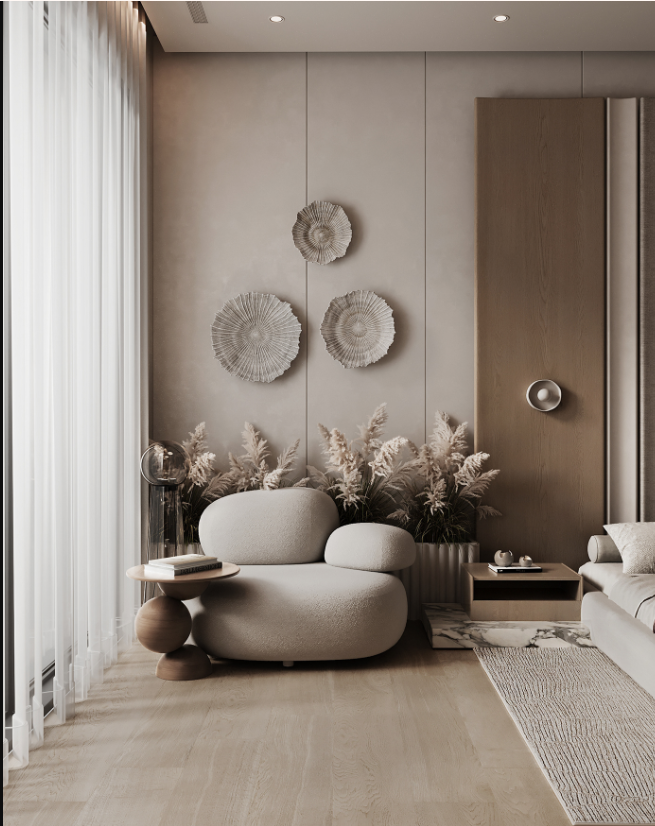
When we talk about design that embraces minimalism, think of spaces that breathe. It’s an architectural vibe that promotes simplicity. A minimalist design strips away the chaos, leaving behind just the essentials without making the space feel bare or cold. It’s about balance, proportion, and those oh-so-small details that stand out because there’s less clutter. Something you can definitely carry over into other areas of your life.

Minimalism pushes us to rethink the plush comforts we thought were necessary. It’s not just about having less stuff; it’s about making room for more of what matters. Whether it’s that freeing sensation of an uncluttered room or the mental clarity that comes with a simplified schedule, minimalism encourages us to engage with the world in a deeper, more intentional way.

The 90-90 Rule: A Practical Step Towards Minimalism

The 90-90 rule is like a trusted friend in your minimalist journey. Here’s the deal: take a hard look at what you’ve been using. Ask yourself, have you used this item in the last 90 days? Will you use it in the next 90? If the answer is no, it’s probably time to say goodbye. This rule pushes you to be honest about what truly serves you and clears space for what does. It helps cut out what just sits around collecting dust, bringing in a sort of clear-headed freedom.

Applying the 90-90 rule can be surprisingly liberating, yet challenging. It forces you to confront why you’re holding on to certain items. Emotional attachments and ‘just in case’ mentalities are hard to shake, but remember, minimalism is about intention. Use the rule as a tool to guide you in making those tough calls.

Everyday life can totally benefit from the 90-90 rule. Start small, tackle a cluttered drawer or closet. Evaluate each piece. As you apply it more, decision-making around possessions gets easier. It’s not about purging everything but ensuring the things that surround you are genuinely useful.

Embracing this rule impacts more than physical space. It brings an unexpected mental clarity and reduces decision fatigue. Letting go lightens emotional and physical baggage. Plus, it frees up resources and time to focus them where they really count. Think of it as a filter for a fresher, more intentional chapter in life.

Steps to Embrace Simplicity: Making Minimalism Work for You

To truly embrace simplicity, start by getting real with yourself about what you actually need. Assess those items and habits that add real value to your everyday life. Don’t just scratch the surface; dig deep to figure out what aligns with your personal values and goals.

Practical steps to embrace simplicity often begin with small changes. Consider cutting down your wardrobe to those pieces you actually wear. It’s not about sacrificing style, but more about honing it. Apply this same idea to your digital life, decluttering inboxes and unfollowing accounts that don’t bring joy or inspiration.

Changing your mindset is a powerful part of minimalism. Instead of focusing on what’s missing, pay attention to what fills your heart and mind. Be intentional about your choices, focusing on experiences and interactions that enrich your life. This shift reveals the joy found in simplicity, showing life through a cleaner, less distracted lens.

Design plays a pivotal role in creating spaces that nurture simplicity. Choose quality over quantity in decorative elements, and remember that open spaces can provide more than room for movement—they create a sense of peace and clarity. They become reflective of your simpler lifestyle, providing room to breathe and think. Everything shouldn’t be filled up just for the sake of it.

Embracing minimalism is all about making conscious choices, every day. It’s about slowing down and considering how possessions, time, and energy are being used. Start with one change, and gradually expand it to other areas of your life. Letting go of the non-essentials gives room to truly savor the essentials. And that, my friend, is where the beauty of minimalism really shines.

How To Start Minimalism

Diving into minimalism might seem like a big leap, maybe more so if you’re surrounded by stuff. But here’s the thing – minimalism is about finding freedom and clarity in less, not about ditching all your beloved things overnight. It’s a mindset that celebrates intentional living, helping you focus on what truly matters.

Beginning your minimalist journey can feel daunting, but starting with small, manageable steps can make the transition smoother. Begin by identifying areas in your life that hold unnecessary clutter. It could be your closet screaming for some TLC or a kitchen rocked by gadgets you’ve touched twice. Start decluttering one category at a time. Cherish what brings you joy or serves a purpose, and part ways with the rest. It’s not just physical stuff – think digital clutter, emotional baggage, and overbooked schedules, too.

Minimalism doesn’t have to be a strict rulebook you follow to a T. It’s about adopting practices that enhance your life. Test out different strategies like the KonMari method (yes, thank you, Marie Kondo!), or try a capsule wardrobe. The idea is to find what resonates with you and stick with it, making a meaningful impact on your daily grind. Get inventive!

Here’s a tip: don’t get carried away by myths that minimalism means you need an empty room with five things in it. It’s about editing your life to make room for more adventure, creativity, and passion. Plus, don’t sweat the mistakes every newbie might slip into. Common missteps like getting rid of too much too fast can lead to regrets. Take your time to adapt and adjust.

Seeing minimalism as a tool can help you gain more balance, reduce stress, and improve mental clarity, making it easier to connect with the things and people you love. So give it a whirl! Your simpler, happier, and more fulfilled life may just be a clean shelf away. Happy simplifying!

Mastering the Minimalist Mindset: The 5-7 Rule

Ever heard of the 5-7 rule in minimalism? It’s a game-changer for keeping your space streamlined and your mind free. The idea is pretty simple: limit personal items or categories to a maximum of five to seven at any given time. Think of it as curating your life like a gallery where each piece has its own place and purpose.

This guideline is more than just about counting things. It pushes you to evaluate what’s truly necessary. It might make you think twice about keeping that tenth pair of sneakers or the stack of unread magazines looming in the corner. The key is to personalize what fits within your lifestyle without compromising comfort or style.

Practicality is the heart of the 5-7 rule. In your closet, it might mean choosing versatile pieces that work together, making your outfits effortlessly chic without a morning battle. In the kitchen, it could translate to maintaining only essential gadgets, focusing on quality over quantity, which is especially useful if counter space is at a premium.

Now, mastering this mindset doesn’t require you to become a monk with limited possessions. It’s about balance. Maybe your vinyl collection or art supplies bring you joy – just be mindful of the space they occupy and their role in your daily life. The real power lies in making deliberate choices and avoiding the “buy more, use less” trap.

The beauty of the 5-7 rule is it blends necessity with personal expression. You’re encouraged to keep the things you love but with a keen eye on functionality and joy. It’ll lead you towards a more thoughtful way of living, inviting peace and simplicity into every corner of your life.

Minimalism and the Mind: Is It Beneficial for ADHD?

For those grappling with ADHD, minimalism might just be a breath of fresh air. The clutter-free approach could ease overwhelming feelings and help tune out distractions, offering a straightforward solution to boost focus.

A cluttered environment often mirrors a cluttered mind, especially for individuals with ADHD. Simplifying spaces can help create a calming atmosphere where concentration comes easier. By reducing items that compete for attention, it’s possible to lower anxiety levels and make decision-making less of a chore.

Building a minimalist-friendly space tailored for ADHD needs isn’t rocket science. Think clean and serene – fewer knick-knacks, more open space. Even incorporating calming colors and smart storage solutions can make a big difference.

For someone with ADHD, sustainability also plays a role in how minimalism is practiced. Establish clear zones and routines, making sure everything has a home. This organization cuts down time wasted looking for things and lowers frustration, allowing more energy for fulfilling activities.

First-hand accounts share how minimalism makes room for creativity and enhances productivity. Some find that once they’re freed from the chaos, they can focus better on what truly counts, whether it’s a project at work or an evening hobby.

The journey toward embracing minimalism while managing ADHD is unique for everyone. The trick is to experiment with what brings harmony and ease to your life. It’s about creating an environment that supports you, not boxes you in. Embrace it, tweak it, and let it work wonders for your mind!

How To Create Minimalist Space

Minimalism is more than just tossing out old clothes or clearing your shelves—it’s about finding meaning in simplicity. This approach is all about creating environments that promote tranquility and functionality.

Stepping into minimalist living starts with a shift in mindset. It’s crucial to recognize what truly holds value in your life and what clutters your space, both physically and mentally. This mindset helps drive decisions when you start the decluttering process.

When you aim to create a minimalist space, focus on mindful choices. Begin by evaluating each room’s purpose and determine what items support or conflict with that purpose. This could mean clearing out furniture that takes up valuable space or reorganizing items in a way that seems more intentional.

The transition to minimalism isn’t about deprivation. It’s about making conscious choices that contribute to a lifestyle centered around freedom and intention. Ask yourself what ignites joy and utility in your life.

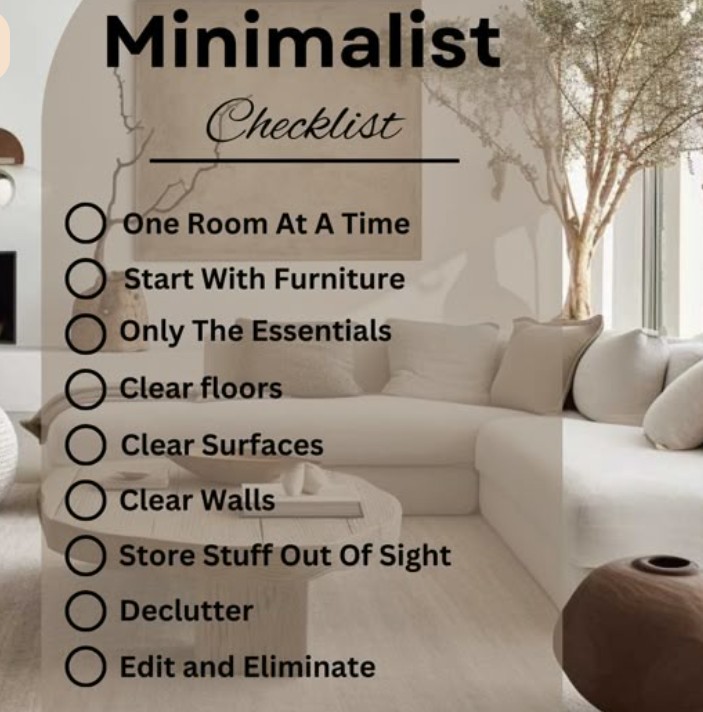
Implementing practical steps like starting small with one room or even just a drawer can make it more manageable. As you progress, you’ll find it easier to identify what enhances your space and what doesn’t. With each step, you’re not only removing clutter but also creating opportunities for more open and inviting spaces.

Navigating Common Pitfalls: Avoiding Minimalist Mistakes

Jumping into minimalism often means going through some trial and error. People sometimes mistake minimalism for just another purchase spree of ‘simple’ decor or furniture that’s marketed as minimalist but doesn’t fit their real needs.

One common mistake is thinking that buying storage solutions will solve clutter issues. It’s not about hiding stuff away in fancy boxes. If an item doesn’t serve a purpose or bring joy, it’s better to let it go instead of just tucking it away neatly.

Another pitfall is the organized chaos trap. It’s when you think everything has a place, yet the space still feels overwhelming. Minimalism should bring clarity and a clear sense of order, not just a shuffle of belongings.

It’s crucial to keep your space balanced, which involves ongoing assessments of your home environment. Check in regularly to see if new items have snuck in and disrupted the minimalist balance you’ve worked on achieving.

To keep clutter from creeping back, set some ground rules for what gets to stay or enter your space. Having a ‘one-in, one-out’ policy can help maintain order. The key is to remain conscious of your surroundings and the role each item plays in your life.

Rules of Minimalist Decor: Simplicity with Style

Mastering minimalist decor doesn’t mean stripping your home bare. It’s about curating with intention, where every piece has a purpose and contributes to a peaceful aesthetic.

A popular guideline is the 5 7 Rule. This rule suggests maintaining no more than 5 to 7 items on any flat surface like tables or shelves. It helps keep visual clutter in check while encouraging thoughtful selection of decor elements.

At the heart of minimalist decor are core principles that emphasize simplicity. This includes using a neutral color palette that amplifies natural light and maximizes a sense of space. Whites, grays, and soft earth tones often dominate, creating a calming atmosphere.

Multipurpose items are a minimalist’s best friend. Think furniture that doubles as storage, or decor pieces that blend aesthetic appeal with practical use. These selections can make your spaces more dynamic and efficient.

Remember that keeping it minimal doesn’t mean losing personal touches. Select a few cherished items to display, ensuring they add personality without overwhelming the simplicity of your space. It’s all about striking the right balance between minimalism and representing who you are.

The essentials of minimalist decor revolve around functionality. Less really is more, driving home the idea that quality and utility trump quantity every time. By investing in a few high-quality items, your space remains stylish yet understated.